
Bronze Figurine Sculpture
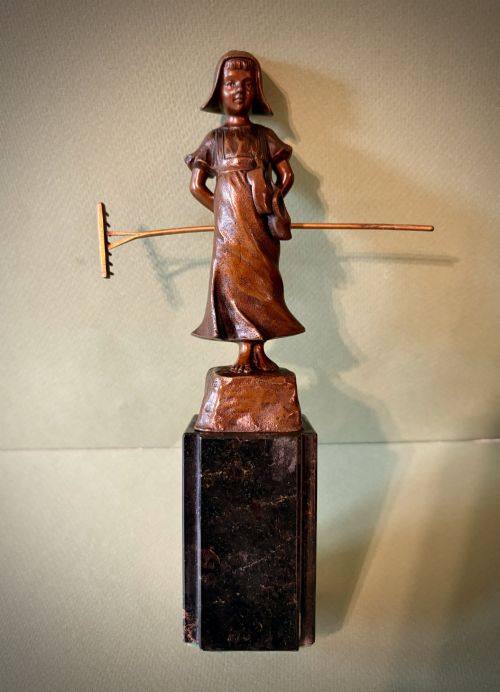
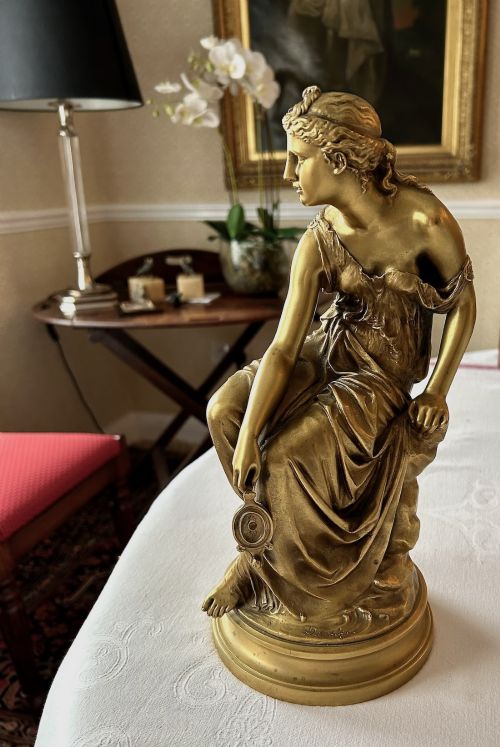
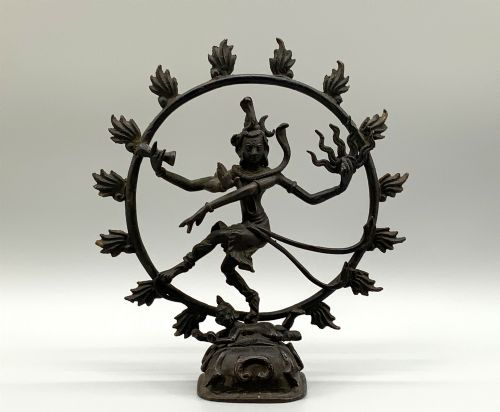
These bronze figurine sculpture pieces bring classical mythology, animal studies and decorative figures into domestic spaces with lasting metalwork.
Bronze Figurine Sculpture
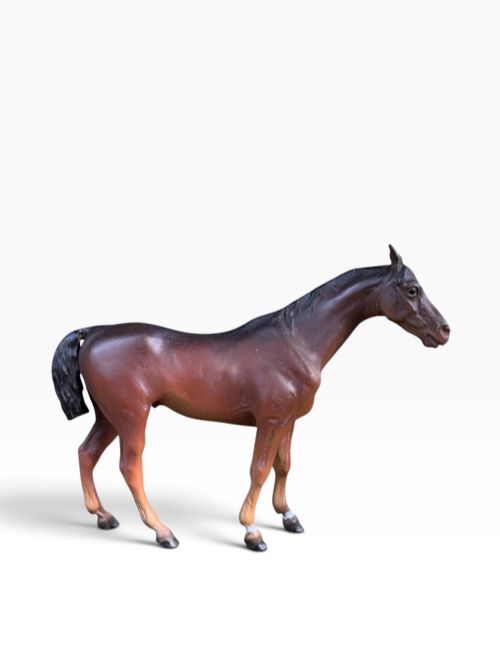
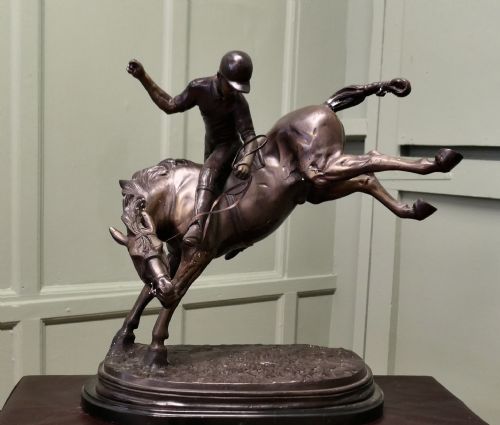
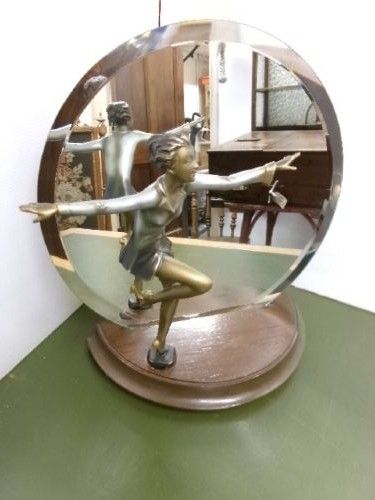
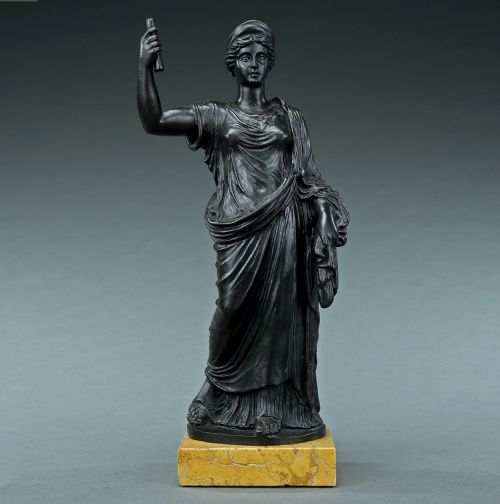
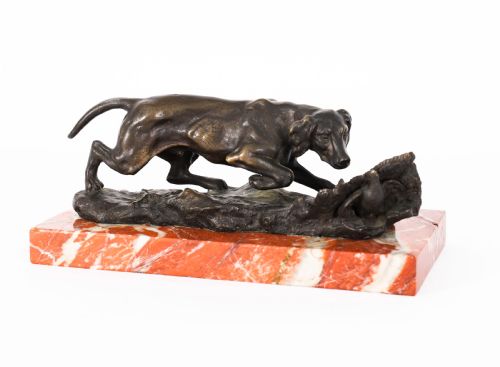
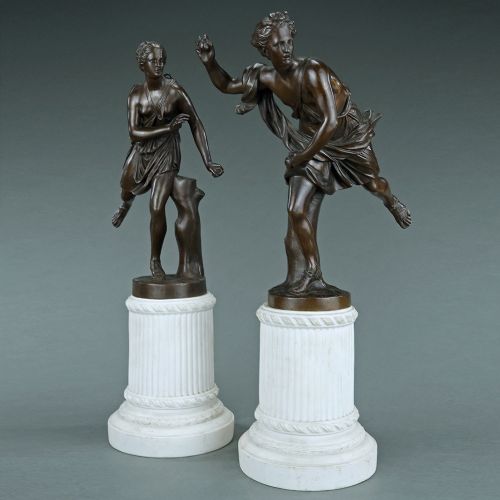
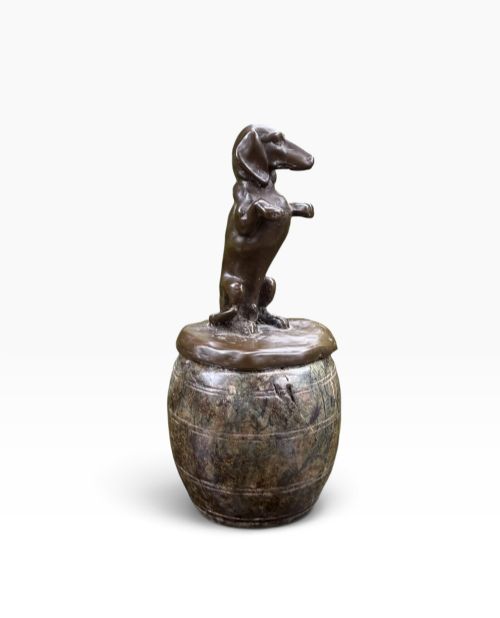
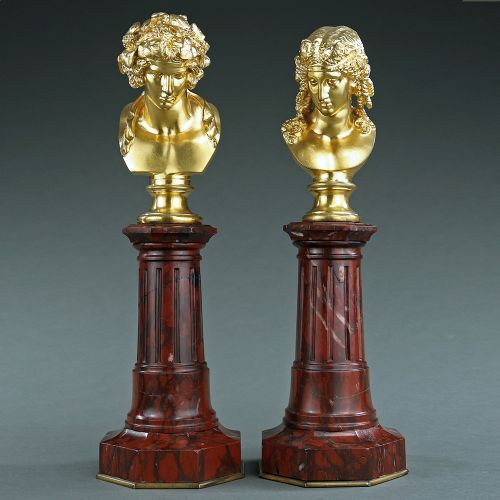
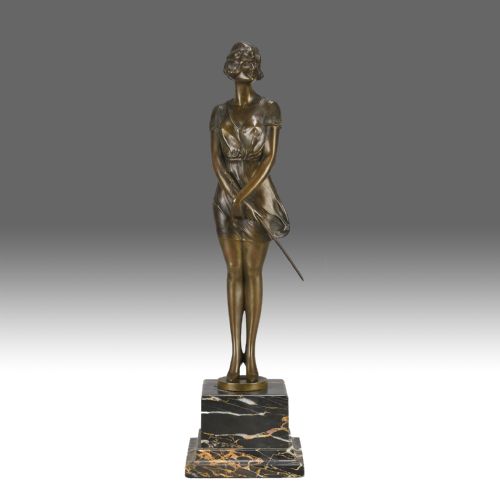
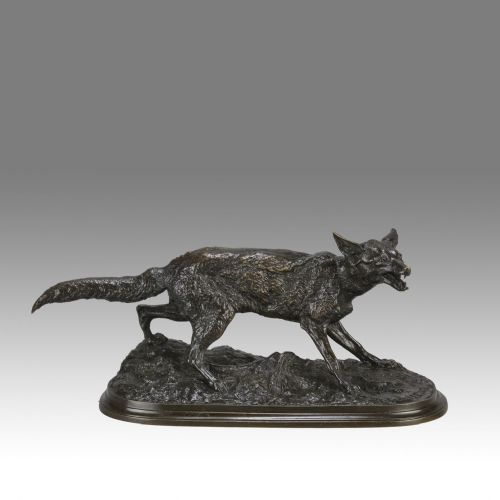
When you search for bronze figurine sculpture, you encounter small cast metal works spanning the Victorian era through the early twentieth century. The selection ranges from Grand Tour classical figures and nineteenth century animalier studies to Art Deco dancers and Vienna bronzes.
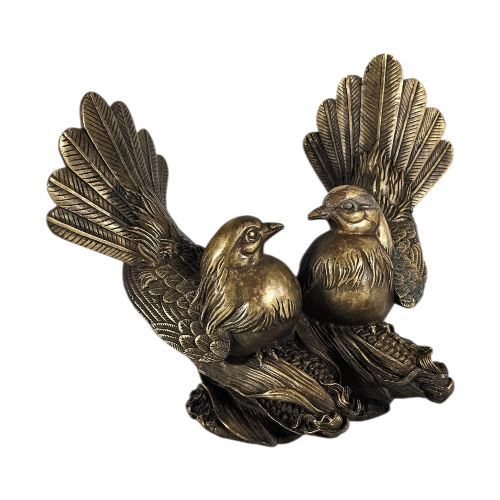
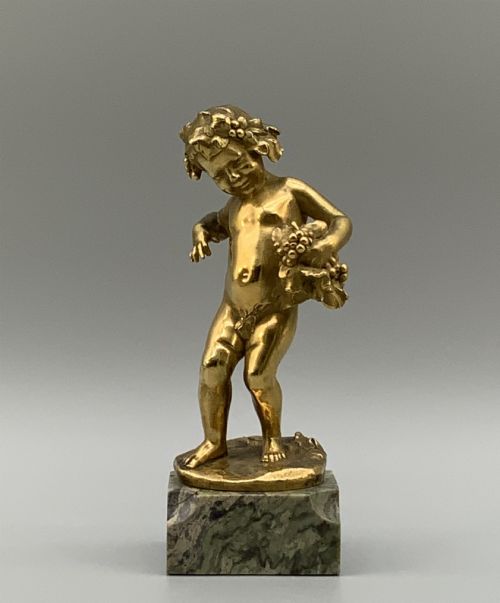
Most examples combine cast bronze with bases of marble or onyx, while others incorporate gilt metal, glass or carved wood elements. Forms include human figures, mythological deities, birds, domestic animals and table lamps created across European and Asian workshops.
How they were made
Foundry workers utilised the lost wax casting technique or sand casting methods to shape molten metal into complex anatomical forms. Finished surfaces received patination treatments, cold-painted polychrome details, or fire-gilding to add colour and texture.
Many sculptures were mounted onto turned marble, onyx or wooden plinths to provide stability and visual contrast. Makers integrated mixed metals or added crystal and glass components in specific Austrian and Japanese decorative pieces.
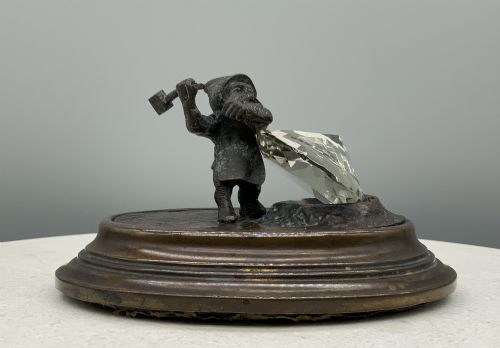
Among the creatures cast in metal are a golfing rabbit, a dwarf miner holding a giant diamond, and scholarly monkeys.
What varies in quality
Quality rests upon the crispness of the chasing work and the depth of the metal chisel finishing after the casting process. Superior examples retain fine surface details in hair, drapery and feathers without soft edges or obscuring layers of later paint.
The sophistication of the patination and the integration with the primary marble or onyx base distinguish finer studio output from commercial production. Maker signatures and foundry cachets provide further indication of workshop standards.
Carl Kauba·Etienne-Henri Dumaige·Charles Louis Malric·Susse Frères·Barbedienne·Bruno Zach·P J Mêne·Franz Bergman·Pierre le Faguays·Ferdinand Preiss·Josef Lorenzl·Moreau Family
The Bronze Figurine Sculpture Glossary
- Animalier
- A nineteenth-century artistic movement focused on the realistic depiction of animals, particularly predators and domestic pets. Sculptors in this style studied animal anatomy directly from life.
- Cold-Painted
- A method where enamel paint is applied to a cold bronze surface rather than fired in a kiln. This technique is especially characteristic of Vienna bronze production.
- Grand Tour
- Cultural travel undertaken by nineteenth-century Europeans to collect classical antiquities and miniature bronze reproductions of famous statues. These pieces served as physical mementos of Mediterranean journeys.
- Patination
- The chemical colouring applied to the surface of bronze to create brown, green or dark tones. It protects the metal and defines the sculptural contours.
Bronze Figurine Sculpture: Frequently Asked Questions
What is the difference between bronze and spelter?
Bronze is an alloy primarily composed of copper and tin, offering weight, durability and a fine grain for detailed casting. Spelter is a cheaper zinc alloy that feels lighter and softer to the touch.
Figures cast in spelter often show more wear at high points and were frequently painted to imitate genuine bronze patination. Checking the underside or base reveals the heavier density of true bronze.
How can I date a bronze figurine?
Examine the style of the base, the casting seams and the signature or foundry marks stamped into the metal. Nineteenth-century pieces often reflect classical or animalier subjects, while nineteen-twenties and thirties works favour geometric Art Deco lines.
Base materials also help narrow the timeframe, as turned green onyx and heavy black marble frequently accompany works from the turn of the twentieth century.
Where should I display my bronze?
Place your sculpture away from direct sunlight and damp environments to protect both the metal patina and any fitted marble or onyx bases. Stable indoor room temperatures prevent stress on mixed-material pieces.
Ensure the sculpture rests on a level surface that supports the weight of the stone base without risk of tipping.