



Belle Epoque Sculpture
Belle epoque sculpture captures the ornate refinement of the turn of the twentieth century, offering collectors expressive figures in metal and stone.
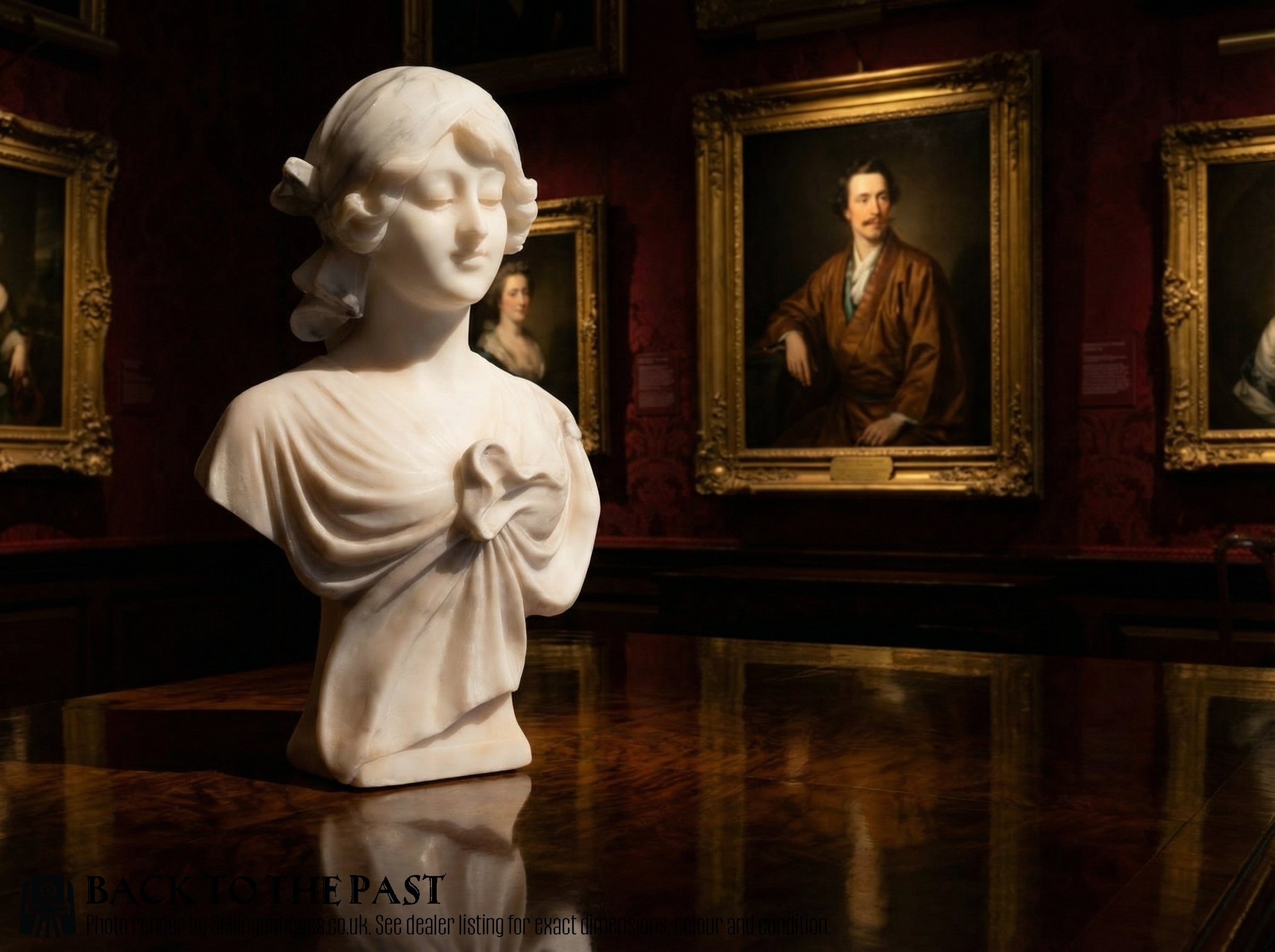
What belle epoque sculpture comprises
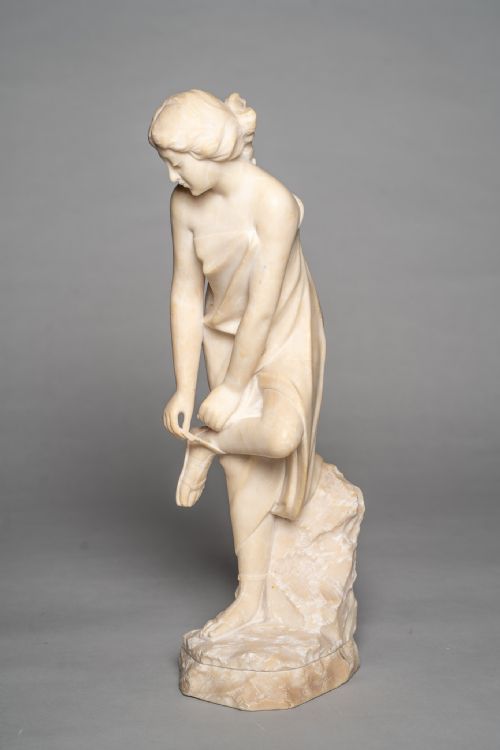
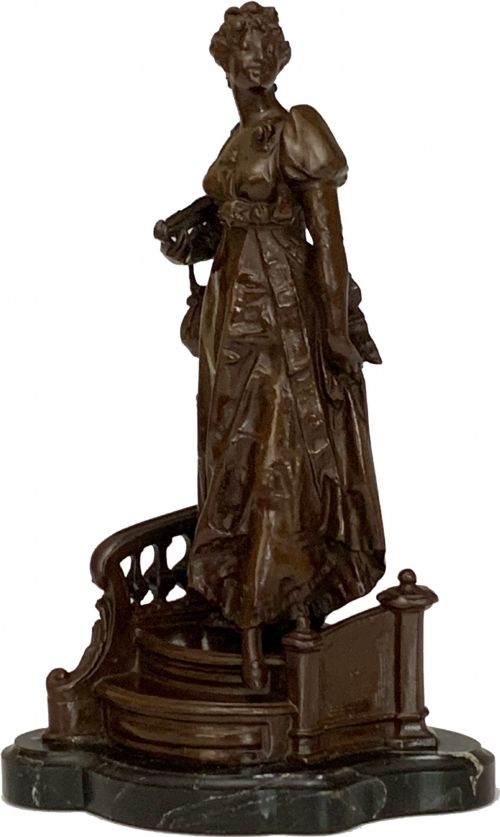
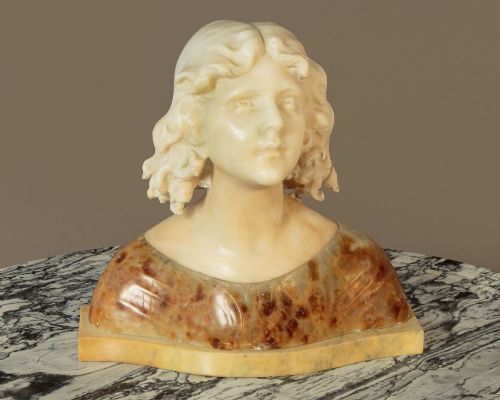
Belle epoque sculpture encompasses decorative busts and figures produced around nineteen hundred and within the wider nineteenth century. These works frequently depict young women with flowing hair and delicate expressions, capturing the decorative spirit of the period.
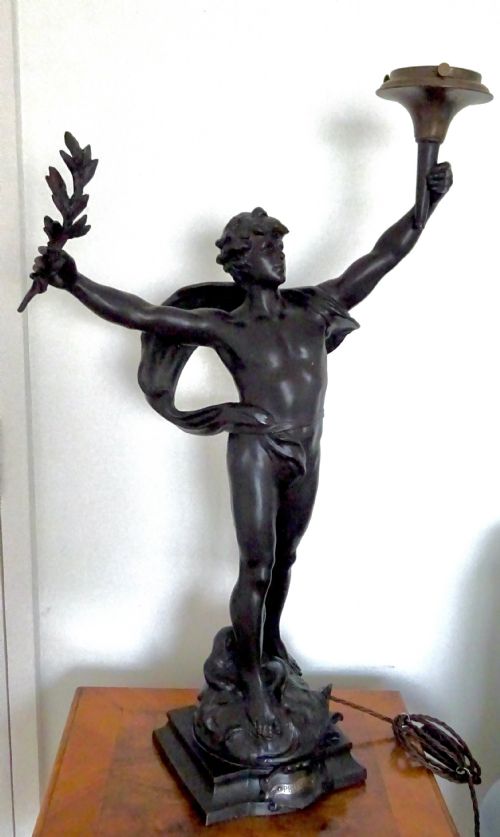
The objects appearing on this page include Italian carved alabaster sculptures and French bronze and marble busts. Buyers most commonly meet cabinet-sized pieces and portrait busts bearing signatures from established European makers.
Materials and construction
Sculptors utilised traditional media including cast bronze, carved marble, and translucent alabaster, often combining materials within a single piece. Ormolu mounts and applied patinas add contrasting metallic warmth and varied surface textures to stone bases.
Carvers shaped alabaster and marble by hand to achieve soft drapery and lifelike flesh tones, while metalworkers cast bronze through the lost-wax method before applying detailed chasing and chemical patination.
Retail Price Guide 2026
Typical UK retail prices for belle epoque sculpture, calculated from the Sellingantiques database of over a million retail prices indexed since 2003. This retail price guide relies exclusively on Sellingantiques data; no external sources or auction records are used, so the figures do not describe the wider market.
Current listings feature pieces spanning the nineteenth century, nineteen hundred, and nineteen twenty, executed in alabaster, marble, bronze, and ormolu.
Assessing quality and execution
Quality rests in the sensitivity of the carving and the crispness of the metal cast. Superior alabaster and marble pieces display subtle translucency and clean anatomical lines without mechanical stiffness.
A Gamay·Georges Van Der Straeten·G V Vaerenbergh·Eutrope Bouret·A Cipriani
The Belle Epoque Sculpture Glossary
- Alabaster
- A soft, fine-grained stone used for detailed carving and valued for its smooth, translucent finish. It allows sculptors to create lifelike skin textures.
- Ormolu
- Gilded bronze applied as decorative mounts or accents on sculptural bases. This technique adds bright metallic highlights to stone works.
- Patina
- The surface coloration or sheen developed on bronze through age or chemical treatment. It defines the depth and tone of metal figures.
- Bust
- A sculpted representation of a person from the chest up. This format focuses attention on facial expression and period hairstyles.
Frequently Asked Questions
What materials make up these sculptures?
These pieces combine natural stone and cast metal, specifically utilising carved alabaster, marble, and bronze. Some examples incorporate ormolu mounts and applied patinas to enhance the visual contrast.
Craftsmenship relies on the distinct properties of each medium, allowing soft stone details to sit alongside crisp metallic elements.
How do I display these busts?
Cabinet-sized marble and alabaster busts require sturdy surfaces away from direct sunlight and moisture to protect delicate stone surfaces. Bronze pieces need minimal environmental control beyond occasional gentle dusting.
Positioning them at eye level on a mantel or dedicated stand allows the carved details and facial expressions to be appreciated fully.
Are these works signed by artists?
Many sculptures from this period bear signatures inscribed directly into the stone or cast into the bronze metal. These signatures point to the individual sculptors and workshops responsible for the design.
Finding a clear signature helps connect the piece to documented makers of the era.
Which periods do these sculptures date from?
The pieces span the late nineteenth century and the early twentieth century, specifically around nineteen hundred and nineteen twenty. This window encompasses Art Nouveau sensibilities and nineteenth century French academic styles.
Stylistic cues in the clothing and hair usually reflect the aesthetic preferences of these specific decades.