





Italian Grand Tour Bust
An italian grand tour bust brings the monumental sculpture of antiquity home, offering tactile reminders of classical figures carved in marble or cast in bronze.
Italian Grand Tour Bust
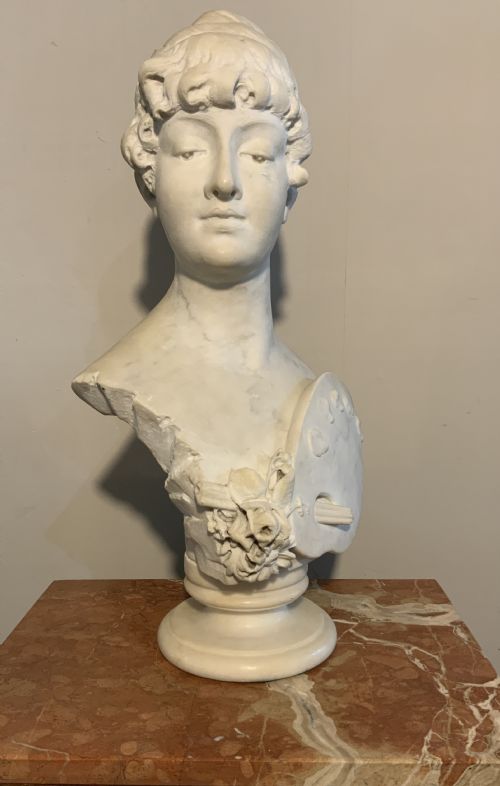
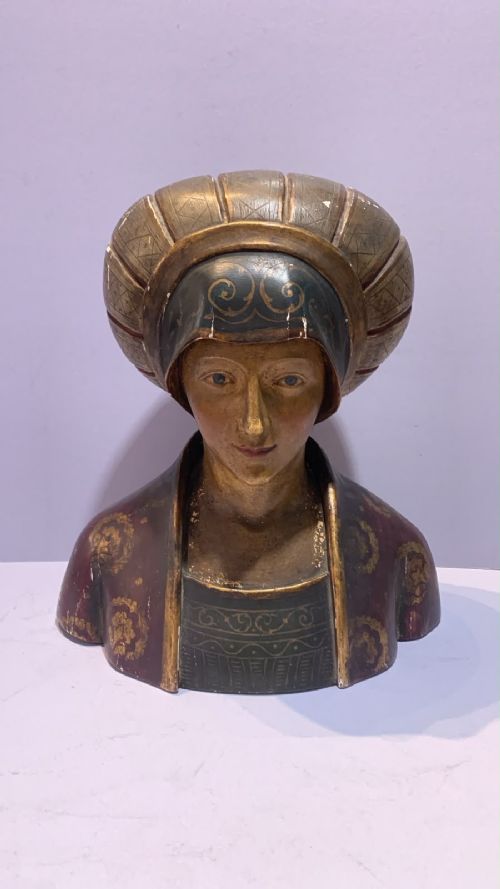
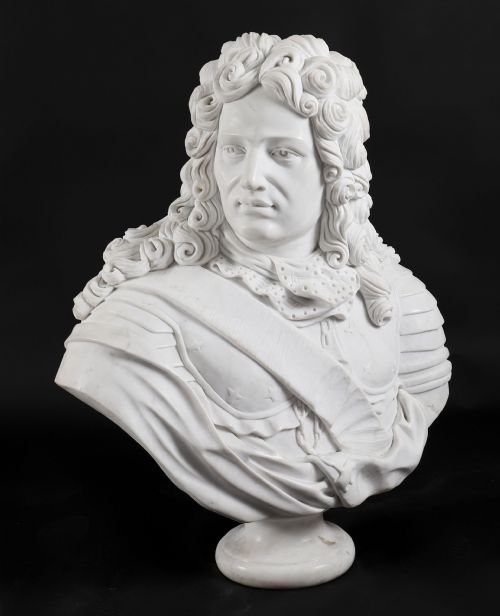
An italian grand tour bust represents classical deities, emperors, philosophers and noble figures modeled after ancient sculpture seen by travellers abroad. These pieces serve as tangible mementos of European journeys, translating monumental museum statuary into domestic display formats.
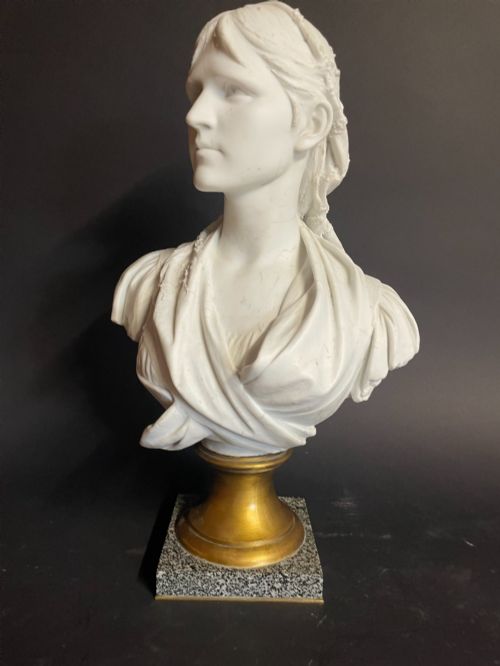
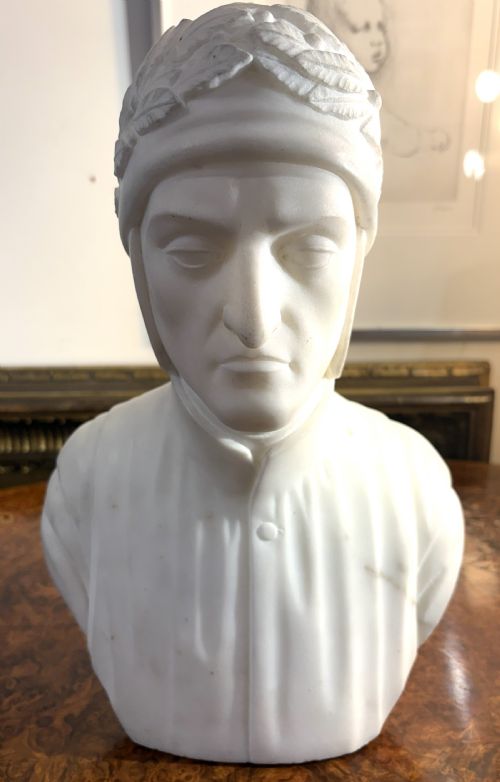
The version most commonly encountered is the nineteenth century souvenir reduction, cast in bronze or carved from white marble, alabaster or Carrara marble. Subjects range from mythological deities such as Diana, Venus and Apollo to historical emperors including Julius Caesar and Augustus.
Beyond standalone portrait heads, the selection includes profile reliefs, cameo bas-reliefs, paired pairings of male and female subjects, and specialised library busts of literary figures like Dante Alighieri.
Materials and Methods
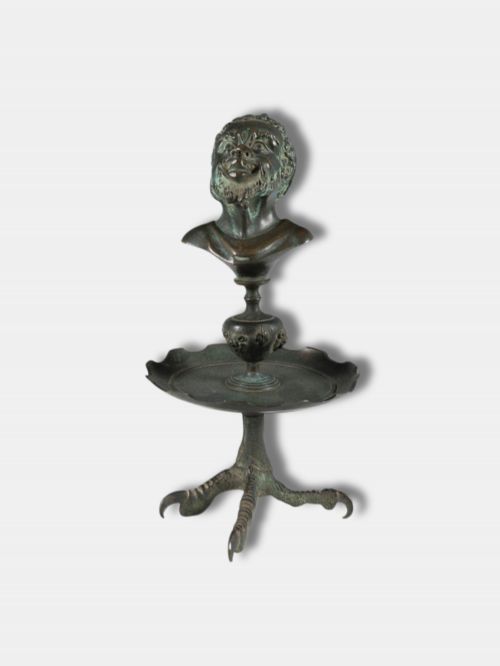
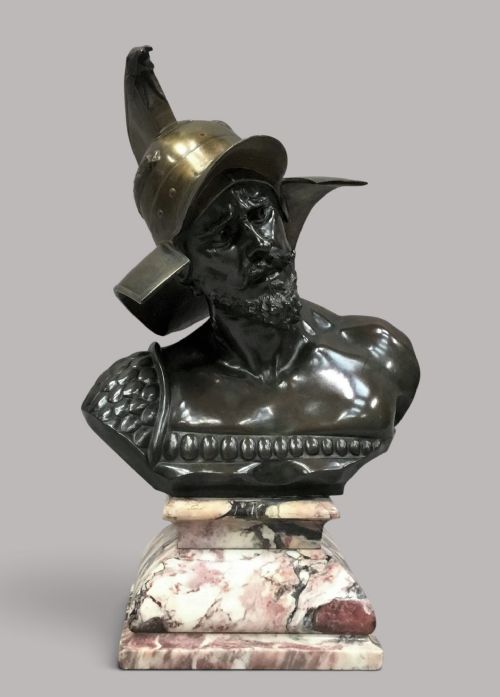
Metal casts utilise the bronze medium, finished with patinas ranging from dark verdigris to warm golden tones, occasionally paired with brass details or incorporated into oil lamps with eagle claw designs.
Italian Grand Tour Bust Retail Price Guide 2026
Typical asking prices for italian grand tour bust among the pieces listed under this phrase on Sellingantiques today, from the lower quarter to the upper quarter. They describe what is for sale here now, not the wider market.
Sleep makes a quiet appearance through a verdigris bronze bust of Hypnos, the ancient god of slumber.
Assessing Craftsmanship
The choice of material elevates a piece, with high grade Carrara marble, dense alabaster or heavy cast bronze commanding greater presence than softer stones or lighter metal alloys. Signed works by documented sculptors carry distinct artistic weight.
R. Mattei·Richard Aurili
The Italian Grand Tour Bust Glossary
- Grand tour
- A nineteenth century travel tradition where wealthy young Europeans visited continental cultural sites, collecting souvenirs to display at home.
- Patina
- The surface sheen and coloration developed on bronze through age or chemical treatment, ranging from deep brown to verdigris.
- Scagliola
- A composite material made from pigmented selenite, glue and plaster, used to imitate marble for architectural elements and pedestals.
- Bas-relief
- A sculptural technique where figures project slightly from a flat background, common in profile plaques and cameo portraits.
- Neoclassical
- A revival style drawing direct inspiration from the classical art and architecture of ancient Greece and Rome.
Italian Grand Tour Bust: Frequently Asked Questions
What subjects do these busts depict?
Subjects typically draw from classical antiquity, featuring Roman emperors, Greek gods, philosophers and literary figures.
Common depictions include Julius Caesar, Augustus, Diana, Apollo, Homer and Dante Alighieri.
Where were these pieces originally made?
They were produced in Italy during the eighteenth and nineteenth centuries to satisfy the demand of foreign travellers.
Workshops in artistic centres created these souvenirs for tourists completing their cultural education abroad.
How do I style a marble bust at home?
These sculptures suit placement on bookshelves, mantelpieces, heavy libraries, or dedicated pedestals and columns.
Pairing them with architectural elements or dark wood furniture enhances their classical aesthetic.
How can I tell bronze from marble pieces?
Bronze pieces involve metal casting techniques that display patinated surfaces and metallic weight.
Marble pieces involve carved stone showing natural veining and cold touch.