




Antique Terracotta Statuette
An antique terracotta statuette brings sculptural warmth to a room, offering modelled clay forms shaped across centuries.
Antique Terracotta Statuette
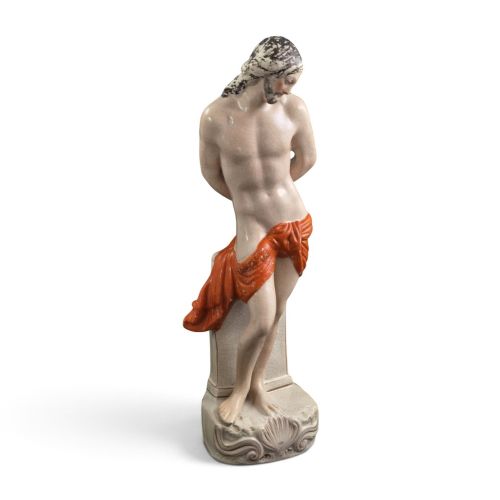
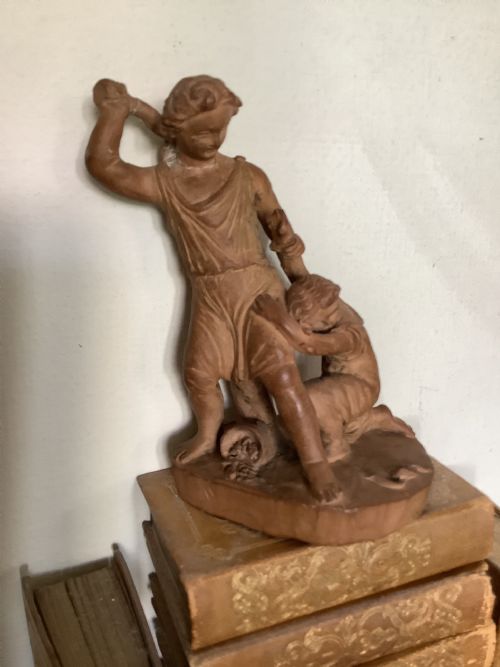
An antique terracotta statuette is a modelled clay figure created across various periods including the Victorian era, the nineteenth century, and the early twentieth century. When you search for an antique terracotta statuette, you find sculptures, portrait busts, desk accessories, and decorative figures ranging from classical revival subjects to art deco pieces.
The versions most likely to meet you on this page include nineteenth-century British figures, French portrait busts, Grand Tour subjects, and continental European models. These pieces span historical styles from classical and neoclassical forms to art nouveau and art deco designs.
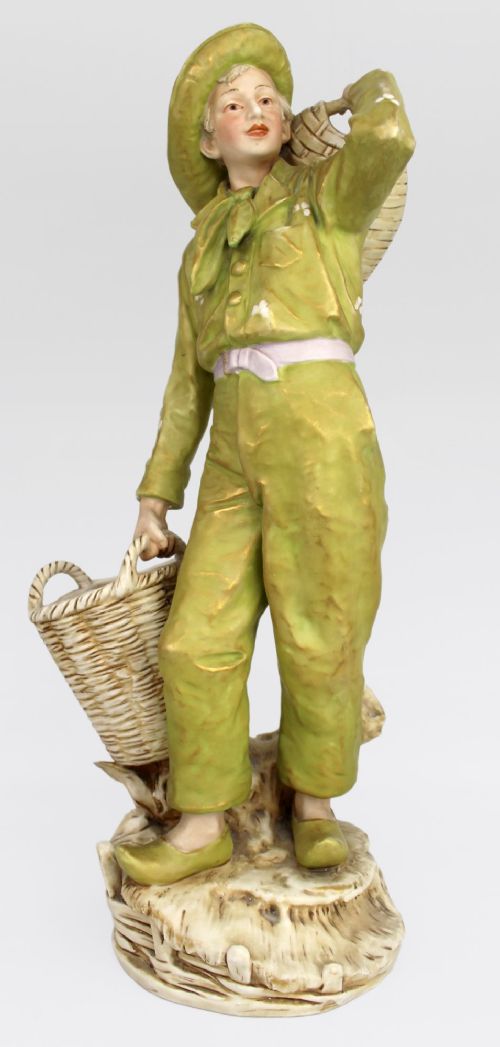
Makers and studios represented in these pieces include European potteries and named sculptors such as Georges Morin, Joseph Gott, and B. Rezl. The materials vary beyond plain fired clay to include earthenware, glazed surfaces, paint, and occasional gilt touches.
How they were made
These statuettes are constructed from fired clay bodies such as terracotta, earthenware, and stoneware, which are shaped by hand modelling or press moulding. Some examples incorporate additional surface treatments including glaze, paint, or gold leaf applied over the fired body.
Moulded figures often show crisp relief details while hand-modelled pieces display individual tool marks from the sculptor. Glazed and painted versions require secondary firing stages to fix the surface colours and finishes onto the clay.
Current listings feature materials including terracotta, earthenware, porcelain, glaze, paint, and gold leaf across periods from 1700 to 1930.
What varies in quality
Quality in these statuettes depends on the precision of the modelling and the crispness of detail retained in the fired clay. Finer works display sensitive facial expressions and carefully rendered drapery, whereas lesser pieces can appear blunt or formulaic.
The reputation of the sculptor or factory also influences the standing of a piece, with named artists and established continental works commanding closer attention. Surface preservation, whether in the retention of original paint, glaze, or patination, further distinguishes superior examples.
Royal Dux Bohemia·Georges Morin·Joseph Gott·B. Rezl·HL Blasche for Reps and Trinte
The Antique Terracotta Statuette Glossary
- Terracotta
- A porous fired clay body ranging in colour from pale buff to deep reddish-brown. It serves as the primary medium for unglazed or painted figurative sculptures.
- Earthenware
- A type of pottery fired at lower temperatures that remains porous unless glazed. Staffordshire figures and several regional statuettes utilise this material.
- Grand Tour
- A traditional trip through Europe undertaken by upper-class scholars in the eighteenth and nineteenth centuries. Souvenirs from these journeys often included classical-style miniature sculptures.
- Neoclassical
- An artistic movement drawing inspiration from the art and culture of classical antiquity. Statuettes in this style frequently depict ancient deities, writers, or mythological figures.
- Stoneware
- A robust ceramic pottery fired at high temperatures until vitrified and waterproof. It provides a denser alternative to standard earthenware bodies.
Antique Terracotta Statuette: Frequently Asked Questions
What is an antique terracotta statuette?
An antique terracotta statuette is a small figurative sculpture modelled from fired clay, produced across eras ranging from the seventeenth century to the art deco period. These pieces encompass portrait busts, mythological figures, and decorative desk accessories created by various European makers.
They offer a direct record of historical sculptural techniques, utilising materials like earthenware, glaze, and paint to achieve diverse finishes.
How were these statuettes displayed?
Historically, these statuettes served as interior decorations placed upon mantelpieces, desks, and library tables. Grand Tour pieces and portrait busts were often used to demonstrate cultural literacy and classical tastes in domestic spaces.
Their domestic scale allowed them to be easily integrated into nineteenth-century and early twentieth-century room schemes.
How do I care for terracotta sculpture?
Terracotta requires gentle dusting with a soft, dry brush to prevent the accumulation of dirt within its porous surface. Moisture and liquid cleaners should be avoided, particularly on unglazed or painted clay bodies.
Displaying the pieces away from areas of high humidity or direct sunlight helps preserve the integrity of the fired clay and any applied pigments.
How can I tell the period of a statuette?
Dating relies on stylistic markers, such as the flowing lines of art nouveau or the geometric forms of art deco. Examining the base, the method of construction, and any impressed factory marks or signatures provides additional chronological clues.
Comparing the subject matter, whether a Victorian quill holder or a neoclassical deity, helps align the piece with its era of manufacture.