
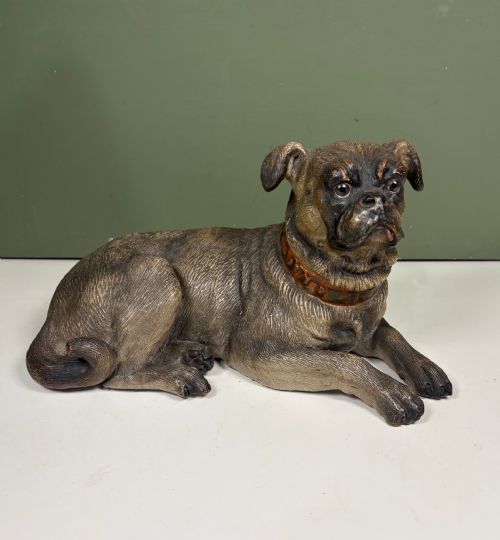
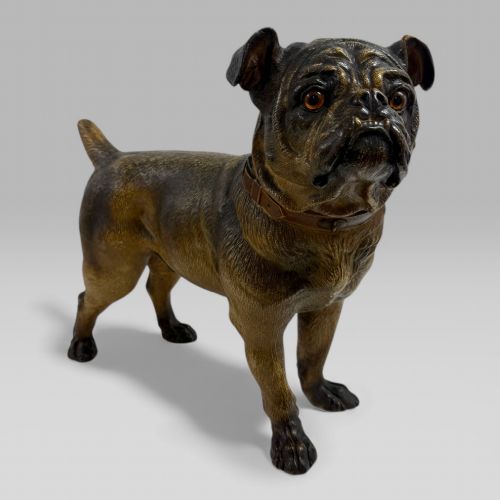


Vintage Terracotta Figurine
A vintage terracotta figurine brings sculptural warmth to a room, ranging from Austrian animal models to Art Deco dancers.
Vintage Terracotta Figurine
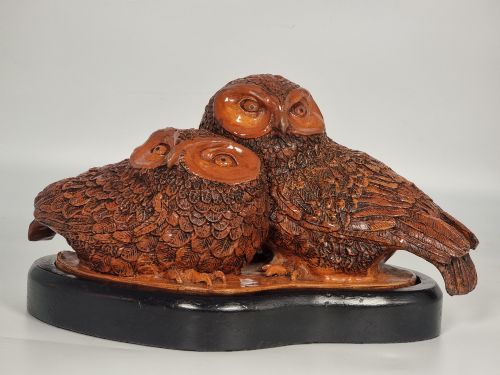
When you search for a vintage terracotta figurine, you encounter sculptural works spanning the nineteenth century through the 1930s. The selection includes animalier studies, human figures, and decorative busts created across Europe and Asia.
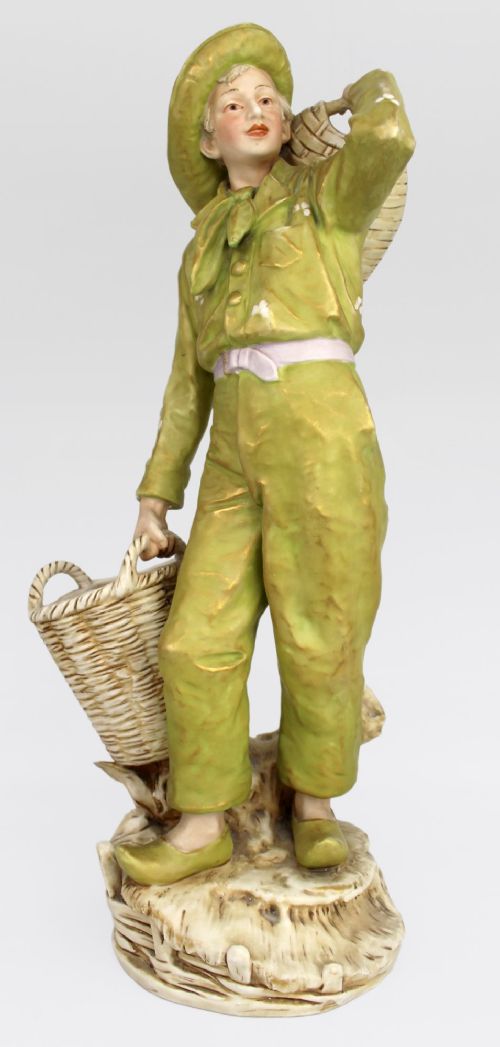
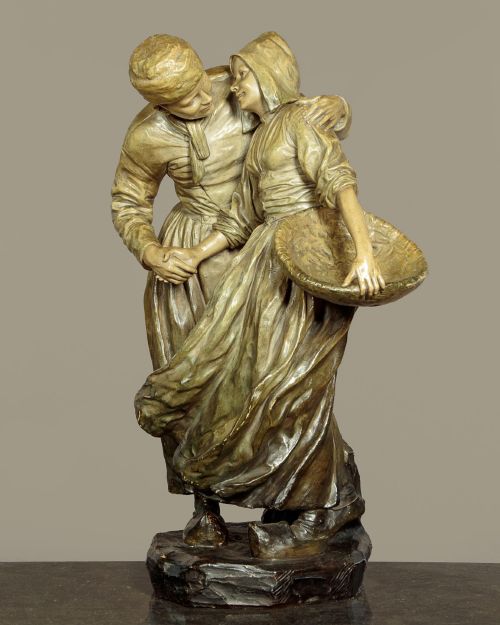
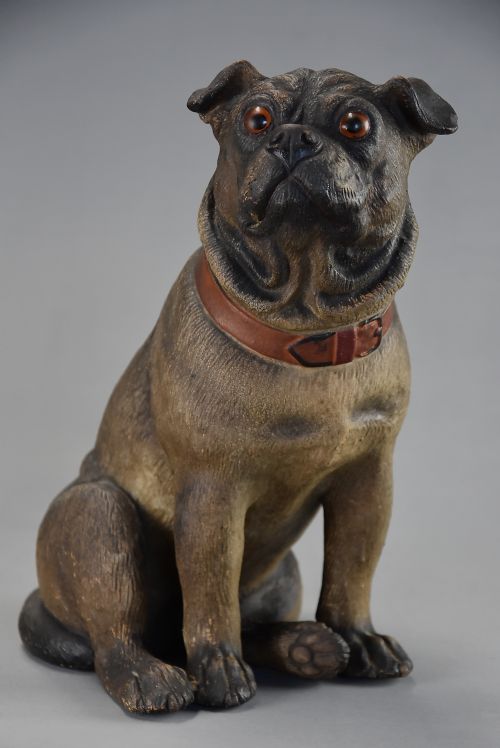
You are most likely to meet Austrian terracotta figures depicting pugs and human subjects, alongside Italian earthenware animal groups, French depictions, and Royal Dux porcelain and ceramic pieces. These range from cabinet-sized ornaments to monumental sculptures.
How They Were Made
Makers utilised fired earthenware and terracotta, often applying paint, gilt, or cold-painted finishes to the modelled surface. Some works involve slip casting, while others rely on hand sculpting or hand modelling.
Artisans combined clay with ceramic, porcelain, and plaster elements, sometimes setting figures upon ebonised bases. Glazes such as Sancai appear on specific style pieces, reflecting traditional kiln techniques.
Listings feature periods from the 1880s through the 1940s, encompassing Victorian, Edwardian, Art Nouveau, and Art Deco styles.
What Varies in Quality
Proportion and scale distinguish the range, from substantial life-size sculptures and monumental figures to smaller decorative ornaments. The reputation of the workshop or modeller also influences the standing of a piece.
Royal Dux Bohemia·Friedrich Goldscheider·Bernard Bloch·Ernst Whaliss·Joseph Constant
The Vintage Terracotta Figurine Glossary
- Terracotta
- A porous fired clay used for sculptural figures and models. It is frequently painted, glazed, or left in its natural earthy state.
- Animalier
- A nineteenth-century artistic genre focusing on the realistic portrayal of animals. These sculptures capture creatures such as pugs, tigers, and cockerels in natural poses.
- Cold-painted
- A method where paint is applied to a cured terracotta or metal object without being fired in a kiln. This technique allows for fine polychrome surface details.
- Slip cast
- A manufacturing process where liquid clay slip is poured into a plaster mould. This technique enables the production of detailed figurative forms.
- Sancai
- A three-colour glaze tradition associated with Chinese pottery styles. It typically combines amber, green, and cream tones on ceramic bodies.
Vintage Terracotta Figurine: Frequently Asked Questions
How do I clean a terracotta figurine?
Dust the surface gently with a soft, dry brush to protect the porous material and any applied paint or cold-painted finish. Avoid using water or liquid cleaners, which can damage unglazed earthenware.
Keep the piece away from damp environments to prevent moisture absorption and surface deterioration over time.
Where should I display a large figure?
Place life-size sculptures and monumental pieces on sturdy console tables, sturdy pedestals, or directly on the floor depending on their scale. Ensure the support can bear the weight of dense ceramic and terracotta bodies.
Position figures away from direct sunlight and heat sources to safeguard painted surfaces and glazes from fading.
How do I identify the period?
Look for stylistic clues such as Art Nouveau curves, Victorian ornamentation, or geometric Art Deco lines. Funder marks, impressed numbers, and maker stamps also help date the work.
Compare the finishing techniques, such as cold-painting or Sancai glazes, with known examples from the nineteenth and early twentieth centuries.
Are these pieces fragile?
Fired clay and earthenware are rigid but susceptible to chips and fractures if knocked or dropped. Handle figures with both hands and support them from the base rather than projecting limbs.
Display them in stable locations where they will not be disturbed by foot traffic or passing movement.