




Cold Painted Terracotta
Cold painted terracotta pieces are polychrome-finished earthenware figures and animals that bring vibrant nineteenth-century realism to a mantelpiece.
Cold Painted Terracotta
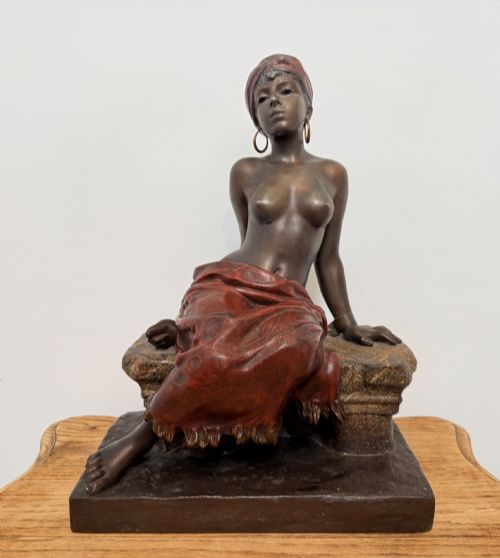
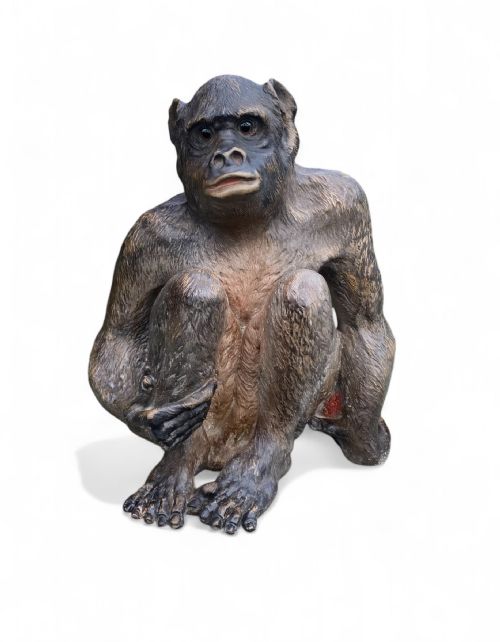
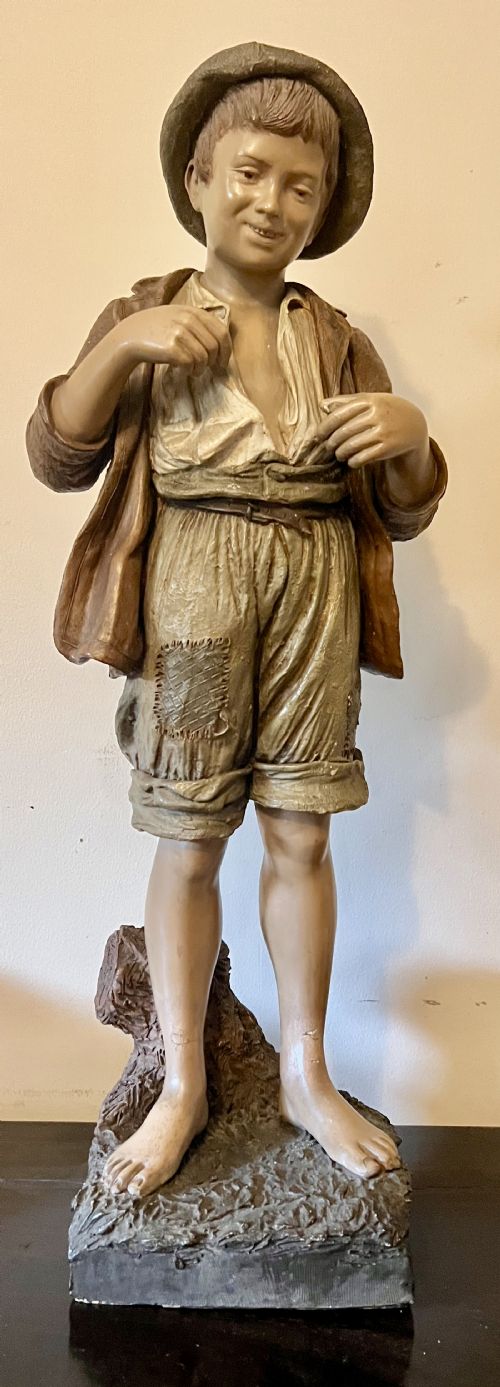
When you search for cold painted terracotta, you encounter sculptural works spanning the Victorian period and around nineteen hundred. These pieces encompass figurative subjects, animalier studies, and relief plaques originating primarily from Austrian workshops.
Makers from Austria dominate the output, working in styles that range from Victorian realism to Art Nouveau. These earthenware creations capture character and texture through applied surface pigments rather than high-fire glazes.
How they were made
The underlying form begins as moulded terracotta, an earthenware clay fired to create a porous structure ready to receive surface decoration. Sculptors shaped figures, animals, and busts in sections before assembly and firing.
Colour is applied using cold-painted pigment or polychrome paint directly onto the fired clay body, a technique where the paint is not refired in a kiln. This method allows for subtle shading and realistic skin tones, fur, and clothing details.
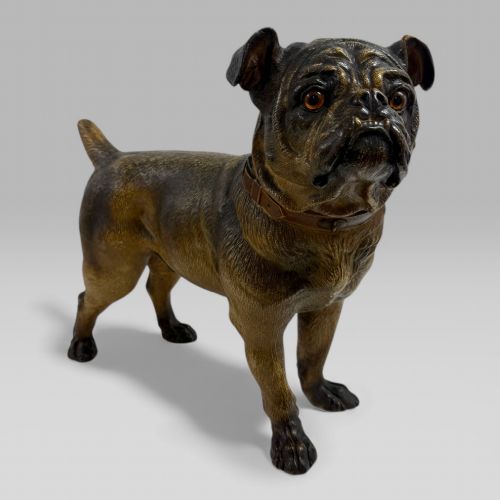
Victorian households held a particular fondness for ceramic pugs, ensuring these watchful dogs survived in surprising numbers.
What varies in quality
The preservation of the cold-painted surface dictates much of the visual appeal, as the delicate pigment sits on top of the terracotta. Superior pieces retain their original polychrome tones without extensive overpainting or pigment loss.
E Villanis·Ernst Wahliss·Bernard Bloch·GOLDSCHEIDER·Johann Maresch
The Cold Painted Terracotta Glossary
- Terracotta
- A porous, brownish-red fired earthenware clay used as the base body for sculptural casting. It provides a sturdy yet absorbent foundation for cold-painted pigments.
- Cold-painted
- A colouring technique where pigment is applied to a fired object without subsequent kiln firing. This leaves the paint susceptible to wear if handled improperly.
- Animalier
- A nineteenth-century artistic style focusing on the realistic depiction of animals. Pug dogs and terriers are common subjects rendered in this manner.
- Relief plaque
- A wall-mounted sculptural panel where the figures project from a flat background. Satirical and narrative scenes frequently appear in this format.
Cold Painted Terracotta: Frequently Asked Questions
What is cold painted terracotta?
Cold painted terracotta refers to fired earthenware sculptures finished with surface pigments that are not refired in a kiln.
This technique allows for detailed polychrome decoration on nineteenth-century figures and animal models.
Where were these pieces made?
The majority of these sculptural works originate from Austrian potteries and workshops active during the Victorian era and around nineteen hundred.
Prominent makers from Austria produced diverse figures, animals, and busts during this period.
How should I clean them?
These pieces require gentle dusting with a soft, dry brush to protect the delicate cold-painted pigment.
Moisture and cleaning solutions can damage the unglazed terracotta and flake the surface colour.
What subjects are most common?
Animalier studies of dogs, particularly pugs and terriers, appear frequently alongside human figures and Orientalist busts.
Narrative subjects, children, and satirical plaques also feature in nineteenth-century production.