

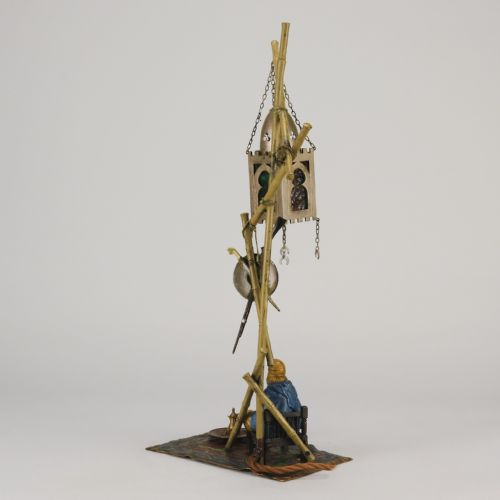
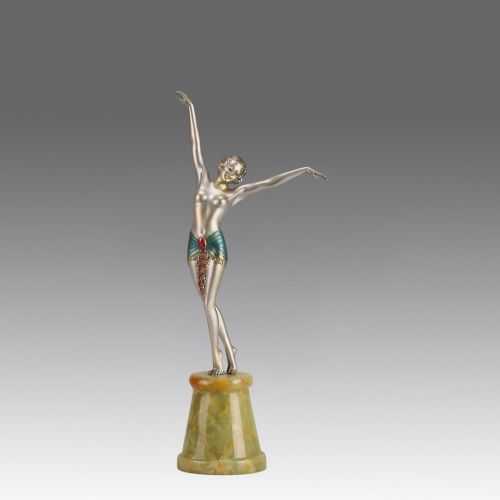
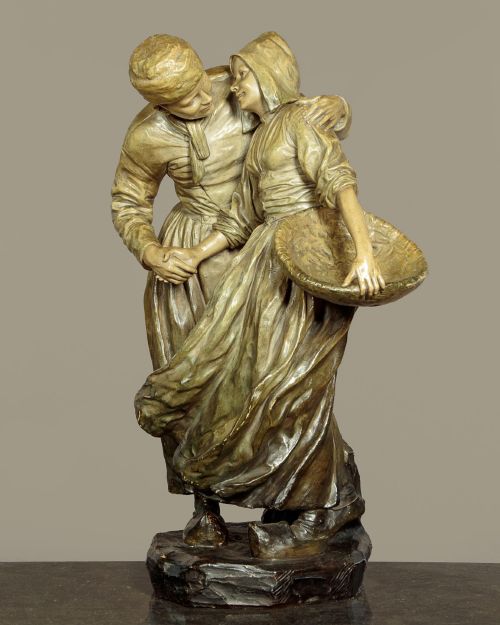
Antique Austrian Sculpture
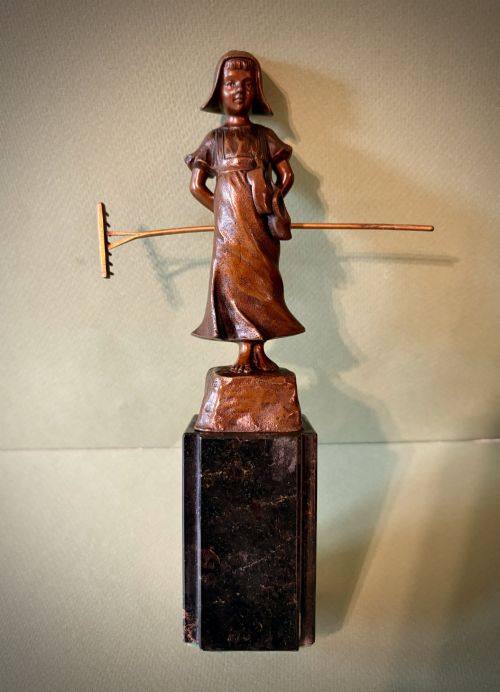
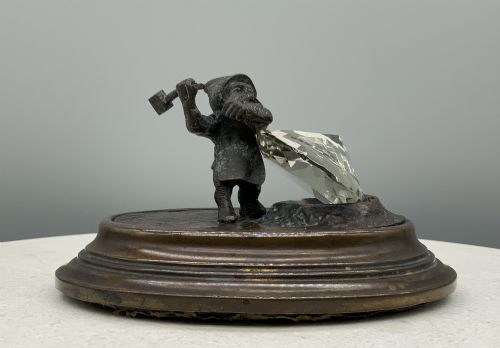
Antique austrian sculpture brings together the vibrant whimsy of Vienna bronzes and the striking figures of the Art Deco period.
Antique Austrian Sculpture
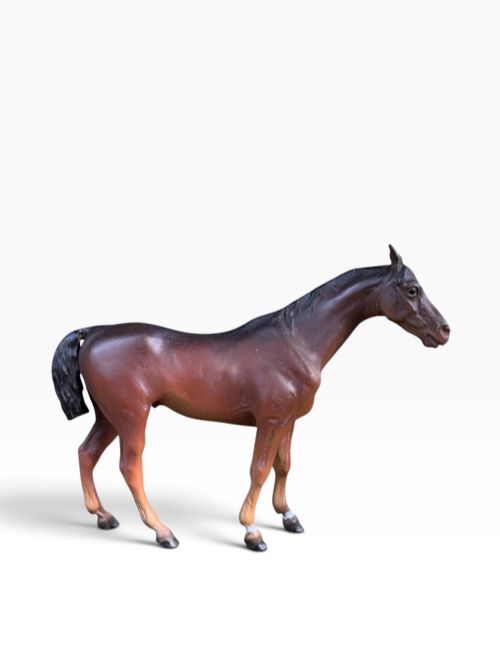
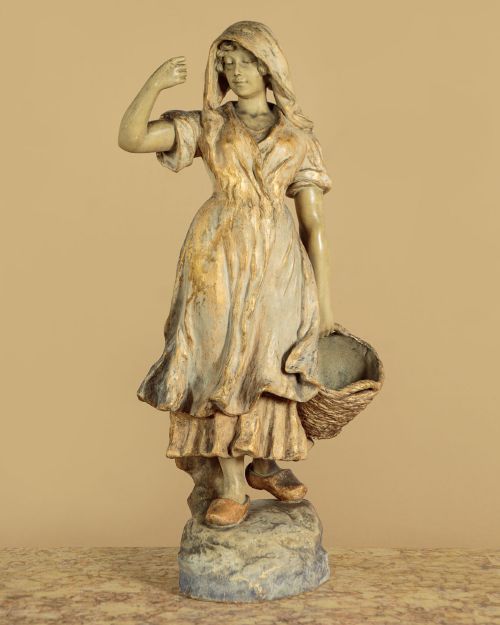
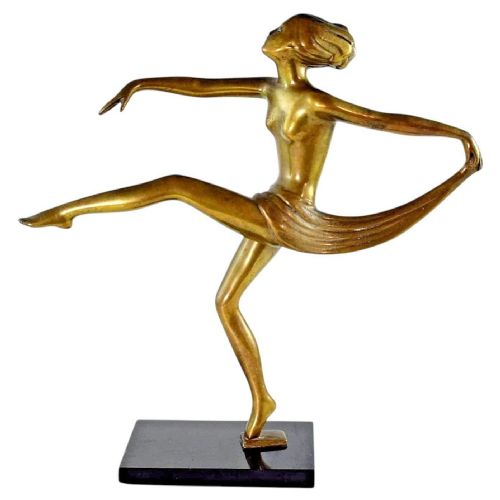
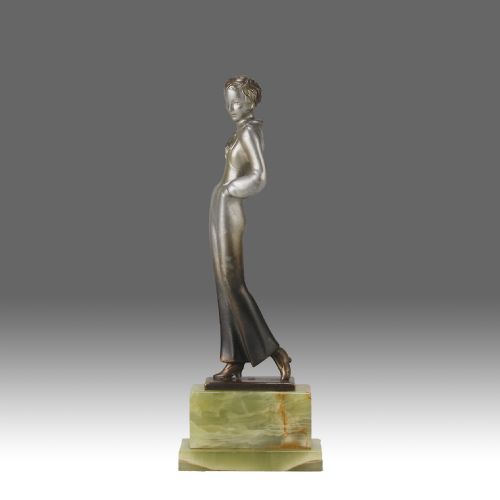
When you search for antique austrian sculpture, you encounter a diverse gathering of metalwork and ceramic figures spanning the nineteenth and early twentieth centuries. These works range from small animal studies and playful anthropomorphic scenes to monumental terracotta figures and stylised dancers of the Art Deco era.
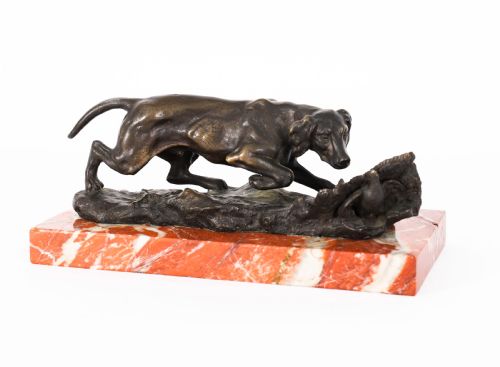
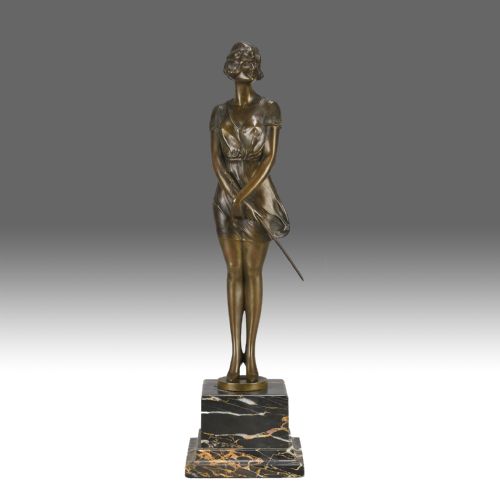
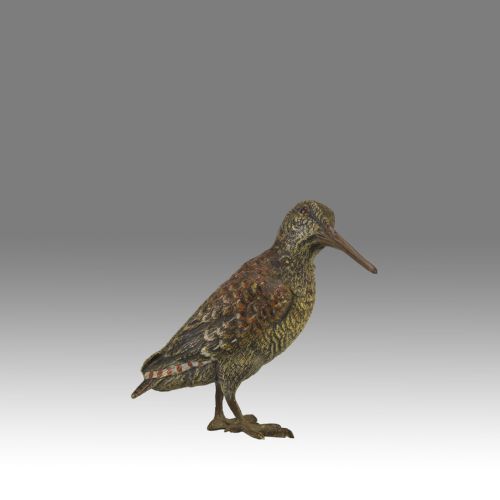
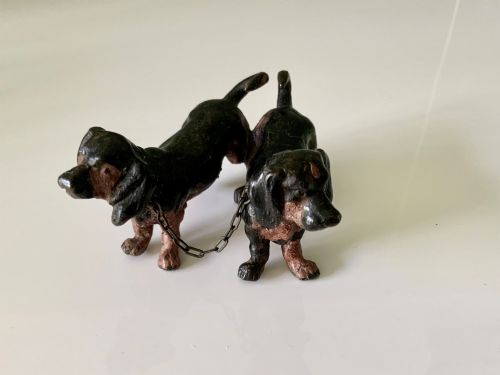
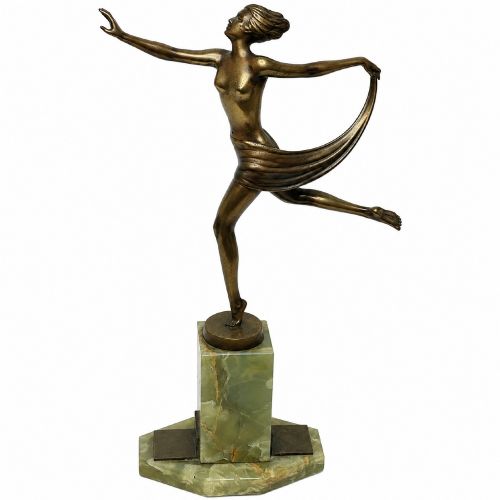
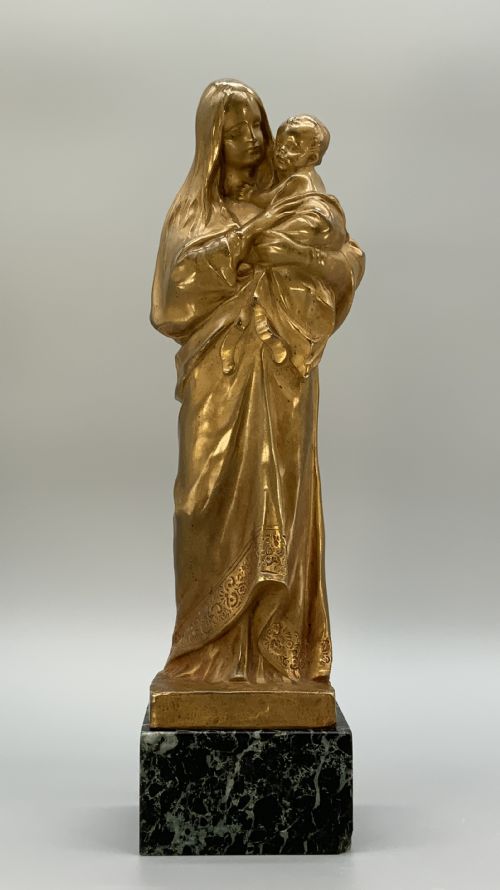
The objects commonly found here include cold-painted bronze figures, terracotta animals, and gilt bronze sculptures often mounted on bases of marble or onyx. Many pieces reflect distinct movements such as Orientalism, Art Nouveau, and Vienna Bronze production, capturing human figures, birds, dogs, and dramatic narrative groups.
Buyers seeking these works often focus on specific subjects, whether that is an animalier study of a bird or hound, a graceful dancer by a notable foundry artist, or an architectural table lamp. The variety reflects a period of immense creativity among Austrian workshops and independent modellers.
Materials and Methods
Foundries and studios relied heavily on cast bronze, applying cold-painted polychrome enamel finishes by hand after casting to achieve realistic or vibrant colouration. Terracotta provided another major medium, shaped into figures and detailed animal models often finished with naturalistic paint layers.
Specialised materials like onyx and marble frequently served as heavy bases for bronze studies and bookends, anchoring the composition. Gilt bronze was also employed for finer decorative items, while alternative metals such as spelter appeared in later Art Deco figures.
Listings feature works spanning the mid-nineteenth century through the Art Deco period, rendered in bronze, terracotta, onyx, and marble.
Assessing Quality and Execution
Quality in these pieces rests primarily on the crispness of the casting and the sensitivity of the hand-finishing, particularly in the detailed cold-painted surfaces of Vienna bronzes. Superior examples display fine chiselling and expressive detailing that bring the subject to life without obscuring the metal beneath.
The fidelity of the modelling dictates distinction, where master sculptors and established foundries achieved proportions and anatomical accuracy that lesser commercial copies missed. Additionally, the integration of supportive elements like onyx or marble bases contributes to the overall stability and presence of the piece.
Carl Kauba·Goldscheider·Rudolf Küchler·Bruno Zach·Franz Bergman·Josef Lorenzl·Hans Müller·Franz Gruber
The Antique Austrian Sculpture Glossary
- Vienna Bronze
- A small cast bronze figure produced in Austrian workshops, typically characterised by intricate detail and multi-layered cold-painted enamel. These pieces span realistic animal studies to elaborate Orientalist scenes.
- Cold Painting
- A technique where enamel paint is applied to an unheated bronze casting and allowed to air dry rather than being fired in a kiln. This method preserves delicate surface details but remains susceptible to chipping over time.
- Terracotta
- Fired clay used for sculptural modelling, ranging from small figurines to life-size animal studies. It allowed artists to achieve warm, textured surfaces often finished with applied paint.
- Spelter
- A zinc alloy commonly utilised as a less expensive alternative to bronze during the Art Deco period. It accepts patination and metallic paint finishes well, though it is softer than bronze.
- Animalier
- A nineteenth-century artistic style focusing on the realistic depiction of animals, particularly in motion or repose. Austrian founders applied this approach to everything from native birds to exotic wildlife.
Antique Austrian Sculpture: Frequently Asked Questions
What is cold-painted bronze?
Cold-painted bronze refers to metal sculptures that have been hand-painted with layers of enamel without undergoing a high-temperature firing process. This technique allowed Austrian artisans to achieve remarkable colour depth and fine detail on small figures.
Because the paint sits on the surface rather than fusing with the metal, handling these pieces carefully helps preserve the original colouration and finish.
How do I identify a Vienna bronze?
Vienna bronzes are typically small, highly detailed cast metal sculptures depicting animals, human figures, or narrative scenes. They are distinguished by their intricate cold-painted surfaces and often carry small foundry marks or stamps.
Many of these pieces were produced by notable workshops in Vienna during the late nineteenth and early twentieth centuries, serving as decorative ornaments or cabinet pieces.
What is the difference between bronze and spelter?
Bronze is a durable copper alloy that takes fine casting details and develops a rich patina over time. Spelter is a softer zinc-based metal that was frequently utilised as an economical substitute for bronze, particularly in Art Deco figures.
While both materials can be painted or patinated, bronze offers greater weight, strength, and longevity as a sculptural medium.
Where were antique Austrian terracotta sculptures displayed?
Terracotta sculptures, including life-size animal figures and decorative groups, were designed to be prominent interior ornaments in nineteenth-century homes. Their warm earthy tones and substantial presence suited entrance halls, studies, and parlours.
Due to their composition, these ceramic pieces require placement away from damp areas and heavy foot traffic to remain secure.