


Terracotta Female Figurine
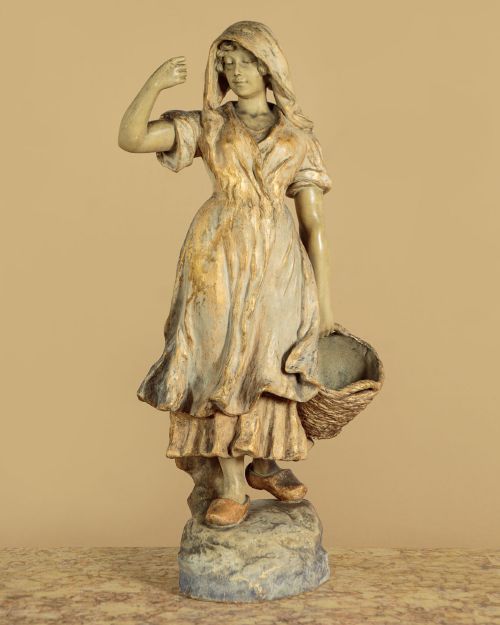
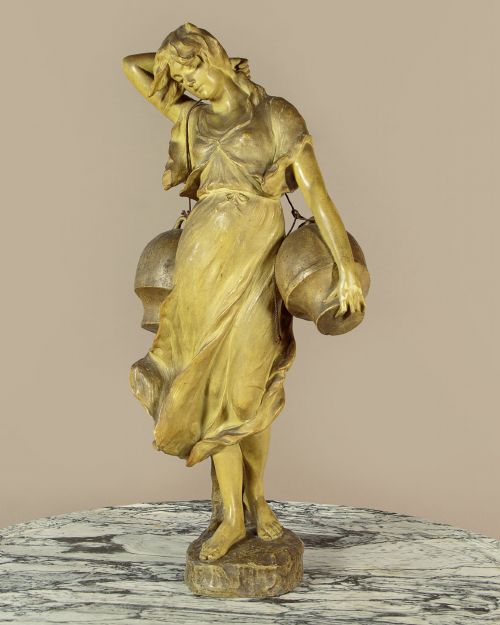
These terracotta female figurine examples range from Art Nouveau water carriers to ancient Pre-Columbian sculptures, bringing character and expressive human form directly into your interior.
Terracotta Female Figurine
A terracotta female figurine represents women in ceramic, earthenware, and occasionally porcelain or plaster, taking forms from decorative table pieces to monumental portrait busts. When you search for this phrase, you encounter diverse aesthetic traditions spanning from Pre-Columbian figures to European foundry sculpture.
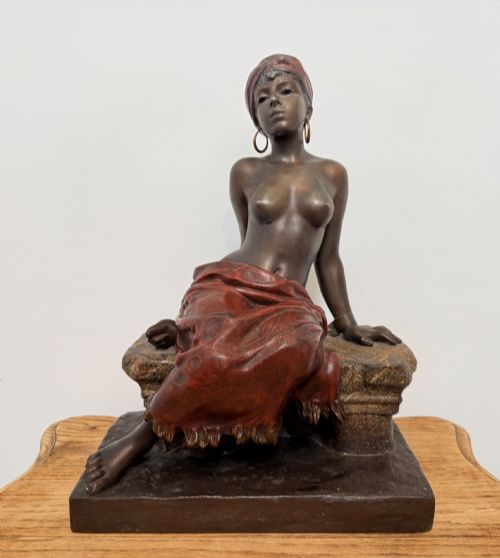
The selections here lean heavily toward European European works from the late nineteenth and early twentieth centuries. Art Nouveau creations, Orientalist subjects, and Austrian terracotta pieces dominate the offerings, often depicting maidens, dancers, and mythological subjects.
Forms vary from full-length figures like water carriers and fisher girls to intimate busts such as Sappho. Makers utilised these subjects to showcase flowing drapery and naturalistic postures typical of the period styles.
How they were made
Makers utilised moulded or modelled terracotta and earthenware as the primary structural bodies, frequently enhancing the fired clay with polychrome paint, glazes, or gilt surfaces. Some examples incorporate contrasting materials like wood or rely on porcelain and plaster variants.
Artisans applied surface decoration through cold-painting or specialised glazing techniques, such as the sancai glaze seen on Tang Dynasty style pottery. Foundries combined these ceramic techniques with detailed hand-modelling to define the hair, clothing, and facial expressions of each woman.
The listings on this page span from pre-sixteenth century antiquities through the nineteenth century and into the 1920s.
What varies in quality
Surface finish also dictates standard, with original polychrome paint and genuine patination holding greater artistic integrity than overpainted restorations. The distinction often traces directly to the skill of the foundry or individual modeller involved in the production.
Goldscheider·E Villanis·Royal Dux·Bernard Bloch·Ernst Whaliss·HL Blasche for Reps Trinte·A Gory
The Terracotta Female Figurine Glossary
- Terracotta
- A porous fired clay body ranging in colour from pale buff to deep reddish-brown. It serves as the primary medium for sculptural figures before any paint or glaze is applied.
- Polychrome
- Painted or decorated in several colours. This surface treatment brings realistic skin tones and patterned garments to ceramic figures.
- Art Nouveau
- A decorative style prevalent in the late nineteenth and early twentieth centuries characterised by flowing, organic lines. Figures from this movement often feature women with long, cascading hair and sinuous drapery.
- Orientalist
- An artistic style reflecting nineteenth-century European interest in Middle Eastern and North African subjects. These figures frequently depict women in regional attire or carrying water vessels.
- Sancai
- A traditional type of Chinese ceramic glaze using three colours. It appears on Tang Dynasty style pottery figurines.
Terracotta Female Figurine: Frequently Asked Questions
What is terracotta?
Terracotta is a type of fired earthenware clay that has been baked to a hard state. It provides a robust yet workable medium for sculptors to capture intricate details in human figures.
Most pieces are left unglazed or receive a painted surface finish to highlight the contours of the subject.
How do I clean a terracotta figure?
Dust gently with a soft, dry brush to prevent dirt accumulation in the recessed details of the sculpture. Avoid using water or liquid cleaners, especially on painted or polychromed surfaces where moisture can lift the pigment.
Keep the piece away from areas of high humidity or direct sunlight to protect the fragile clay body and surface decoration.
Are all these pieces from Europe?
While the majority of listings originate from nineteenth and twentieth-century European workshops in Austria and France, the category also includes ancient Pre-Columbian artefacts and Asian-inspired pottery.
This broad geographic range reflects how different cultures interpreted the female form in ceramic media across various centuries.
What does Orientalist mean in sculpture?
Orientalist sculpture refers to nineteenth-century European works inspired by the cultures of the Middle East, North Africa, and Asia. These pieces often depict women in traditional regional dress, such as water carriers or dancers.
Artists used these exoticized subjects to explore dramatic drapery and narrative storytelling within their terracotta compositions.