


Orientalist Ceramic Figure
An orientalist ceramic figure captures late nineteenth and early twentieth century fascination with North African, Middle Eastern, and Asian subjects.
Orientalist Ceramic Figure
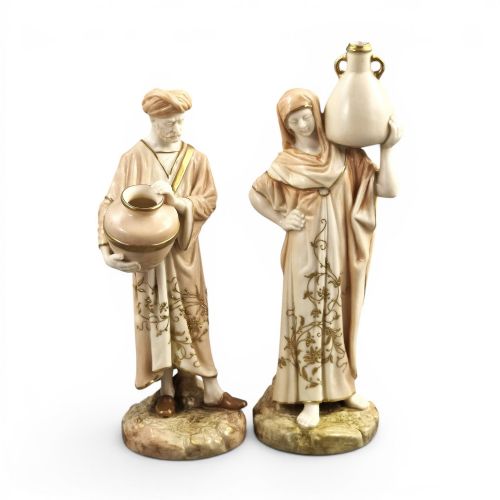
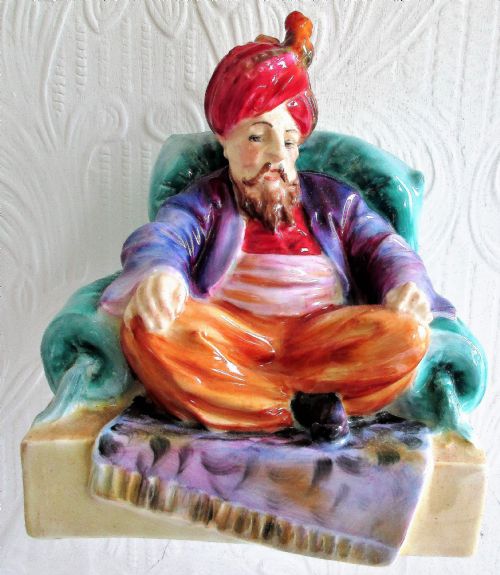
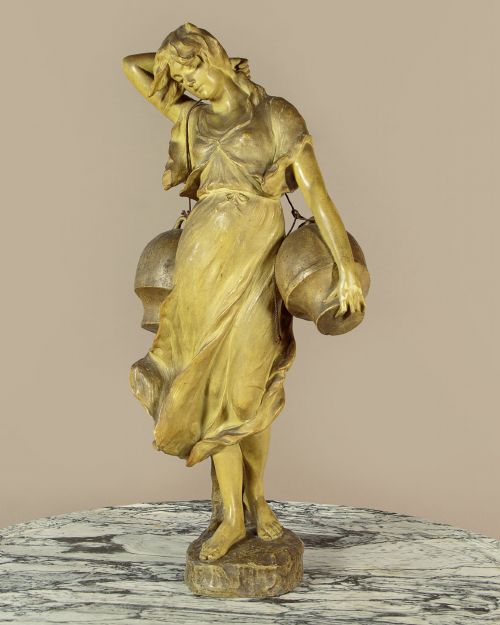
An orientalist ceramic figure depicts water carriers, musicians, water bearers, and seated figures dressed in traditional regional garments, reflecting European romanticised views of distant cultures. These decorative sculptures take the form of freestanding figurines, large busts, and statuettes produced by major European factories and potteries.
The pieces appearing on this page belong primarily to the nineteenth and early twentieth centuries, spanning Victorian, Edwardian, Art Nouveau, and Art Deco periods. Makers ranged from Staffordshire potteries and Royal Worcester to continental firms such as Royal Dux, Goldscheider, and Carl Thieme.
Buyers encounter subjects designated by specific titles such as water carriers, musicians, and named characters like Abdullah or Karan Singh. Material choices extend from glazed earthenware and terracotta to fine porcelain enhanced with enamel, gilding, and gold leaf.
How these figures were manufactured
Makers utilised ceramic mediums including earthenware, terracotta, and porcelain, shaping bodies through casting and hand-modelling techniques. Large sculptures and figurines demanded steady support during firing to prevent warping in the kiln.
Surface decoration involved applied enamel pigments, metallic patent finishes, and careful gilding using gold leaf to highlight intricate textile patterns and jewellery. Glazing varied from high-gloss finishes on porcelain to matte treatments on terracotta sculptures.
Several figures double as functional vessels, holding baskets or trinkets while standing frozen mid-journey across the mantelpiece.
What distinguishes superior examples
The application of gilding and enamel work separates standard production pieces from exhibition-grade outputs. Well-preserved painted surfaces and intact applied elements maintain the visual integrity intended by the modeller.
James Hadley·Royal Worcester·Royal Doulton·Goldscheider·Royal Dux·Carl Thieme Dresden
The Orientalist Ceramic Figure Glossary
- Enamel
- Vitreous coloured glass fused to the ceramic surface through firing. It provided rich tones for traditional garments and accessories.
- Patent Metallic
- A specific nineteenth-century ceramic finish giving a shimmering metallic appearance. It was utilised by factories like Royal Worcester to simulate bronze or precious metals.
- Gilding
- The application of gold leaf or powdered gold onto the ceramic body. This technique highlighted borders, headwear, and decorative vessels.
- Earthenware
- A lower-fired ceramic body requiring a glaze to achieve impermeability. It formed the robust base for many large continental figures.
Orientalist Ceramic Figure: Frequently Asked Questions
How do I identify a water carrier figure?
Water carrier figures typically hold jars, pitchers, or water skins, often balanced on shoulders or resting beside seated poses. Their clothing reflects regional nineteenth-century interpretations of North African and Middle Eastern dress.
Look for specific titles inscribed on the base or recorded in factory archives, alongside maker marks attributed to factories such as Royal Worcester or Goldscheider.
What periods do these figures date from?
The pieces span from the eighteenth century through to the Art Deco era of the 1930s, with a strong concentration in the Victorian and Edwardian periods.
Nineteenth-century examples frequently display romanticised regional themes, while later pieces adopt Art Nouveau and Art Deco stylistic lines in their bases and colour palettes.
How should I clean glazed porcelain figures?
Clean glazed porcelain figures gently with a soft, dry cloth or a very slightly damp brush to remove accumulated dust from crevices. Avoid soaking pieces with exposed terracotta or delicate enamel work.
Harsh chemical cleaners and abrasive cloths will damage applied gilding and enamel pigments permanently, diminishing the visual quality of the painted surface.
Are these figures marked by the maker?
Many pieces carry impressed numbers, painted factory ciphers, or registration marks on the underside of the base. Royal Worcester items often include specific Hadley signatures or pattern codes.
Continental factories like Royal Dux utilised pink triangle applied seals, whilst Goldscheider pieces frequently featured artist signatures and foundry stamps impressed directly into the clay.