



Art Nouveau Ceramic Figurine
An art nouveau ceramic figurine brings flowing organic lines and graceful female forms into a room, capturing the decorative spirit of the early twentieth century.
Art Nouveau Ceramic Figurine
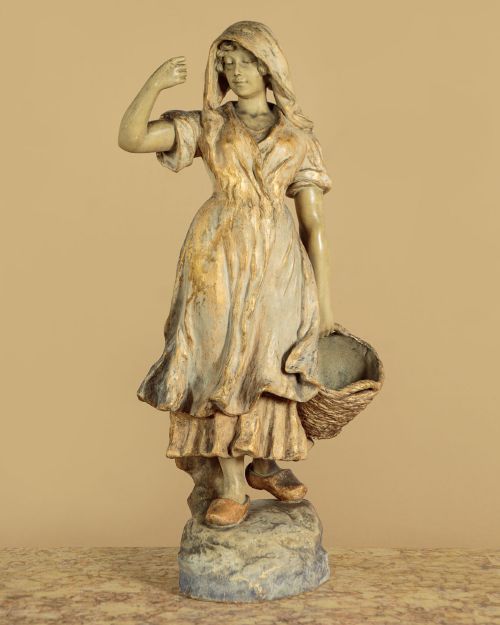
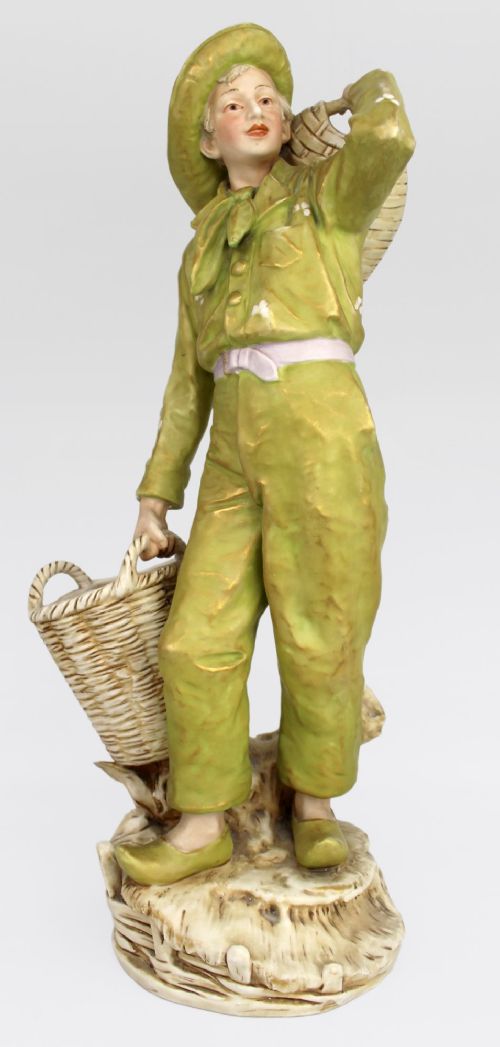
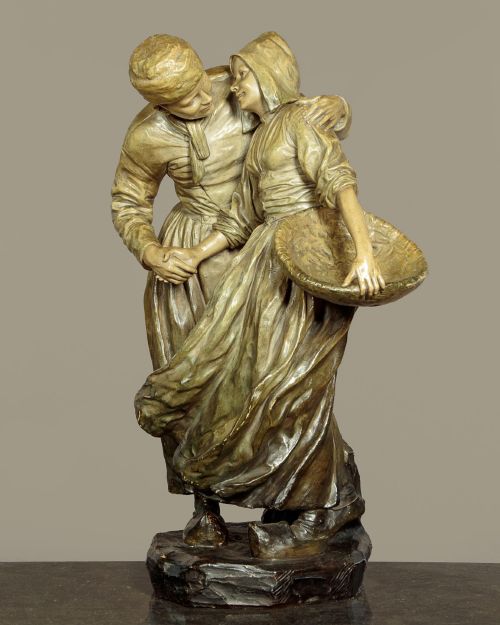
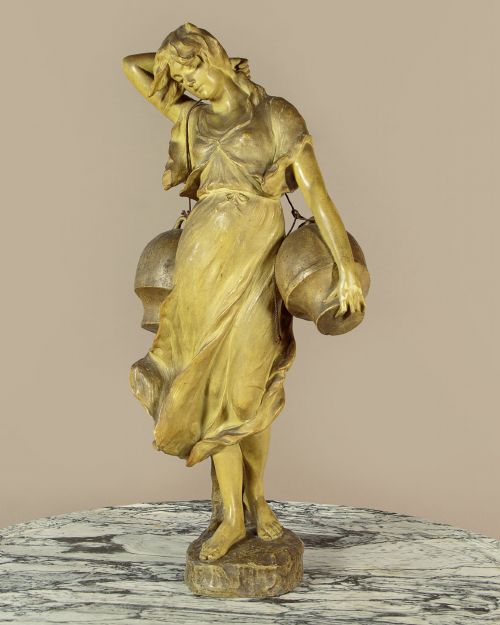
An art nouveau ceramic figurine captures the flowing lines and natural motifs characteristic of late nineteenth and early twentieth century design, often portraying graceful maidens, water carriers, and figures with baskets or shells.
Makers such as Royal Dux and Goldscheider dominate the offerings on this page, producing both glazed porcelain and painted terracotta works that function as standalone sculptures, centrepieces, and vide poche vessels.
The objects span periods from the late nineteenth century through the Edwardian era up to 1920, reflecting distinct international stylistic influences including 19th Century French and Orientalist aesthetics.
How they were made
The materials recorded in these listings include porcelain, earthenware, and terracotta, often enhanced with glaze, paint, gilt, and bronzed slip casting.
Modellers utilised slip casting techniques to shape intricate figures of maidens and animals, subsequently applying hand-painted details or metallic finishes to accentuate the flowing drapery and organic contours.
What varies in quality
Scale and complexity also define the hierarchy, moving from standard figures to monumental group sculptures, signed works by notable artists, and early numbered models.
Goldscheider·Royal Dux Bohemia·Friedrich Goldscheider·Ernst Wahliss·A. Gory
The Art Nouveau Ceramic Figurine Glossary
- Bisque Porcelain
- Unglazed porcelain that has been fired once, offering a matte, marble-like surface texture favoured for detailed figural sculpture.
- Terracotta
- Fired clay used for sculptural figures and busts, often finished with paint or bronzed slip to simulate metal or stone.
- Vide Poche
- A small decorative dish or tray, literally translating to empty pocket, designed for holding small items and frequently incorporated into figural ceramics.
- Spill Vase
- A hollow vertical vessel designed to hold slender wooden spills used for lighting fires, often integrated into figural compositions.
- Earthenware
- Porous pottery fired at lower temperatures, serving as a primary ceramic body for painted and glazed decorative figures.
Art Nouveau Ceramic Figurine: Frequently Asked Questions
What materials are these figurines made from?
The listings show pieces constructed primarily from ceramic, porcelain, earthenware, and terracotta. These materials often receive surface treatments such as coloured glazes, paint, gilt finishes, or bronzed slip casting.
Makers selected these mediums to capture the intricate drapery, soft flesh tones, and organic textures typical of the period's figural art.
How do I identify an art nouveau piece?
Art nouveau design is defined by flowing, serpentine lines, asymmetrical compositions, and motifs drawn from nature, such as water nymphs, floral elements, and cascading hair. Figures often depict graceful maidens holding shells, jugs, or wicker baskets.
Many examples on this page also bear period marks or model numbers associated with prominent early twentieth century factories and sculptors.
Where were these ceramic figures made?
The pieces originate primarily from European workshops and potteries operating during the late nineteenth and early twentieth centuries. Prominent centres of production included Austria and Bohemia, alongside French studios.
These regions produced both large-scale sculptural groups and delicate porcelain figures that reflected broader international artistic movements.
How were centrepieces used originally?
Figural centrepieces and large shell vessels served as decorative focal points on dining tables, sideboards, or pedestals in turn-of-the-century homes. Some designs doubled as vide poche receptacles or spill vases, combining practical utility with ornate sculptural display.
Their substantial scale allowed them to anchor the decorative scheme of a formal interior.