




Art Nouveau Pottery Figure
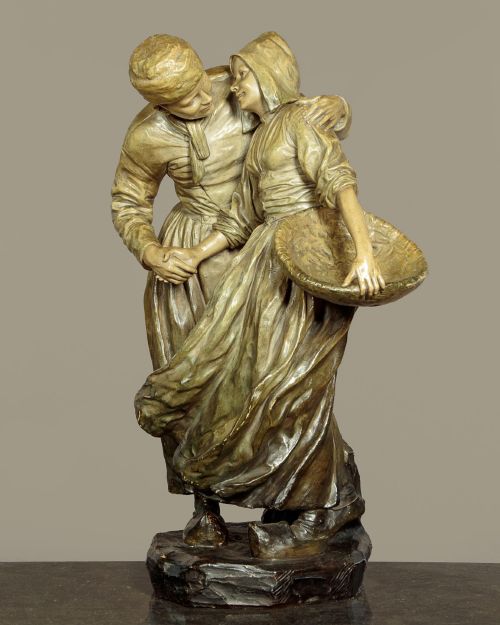
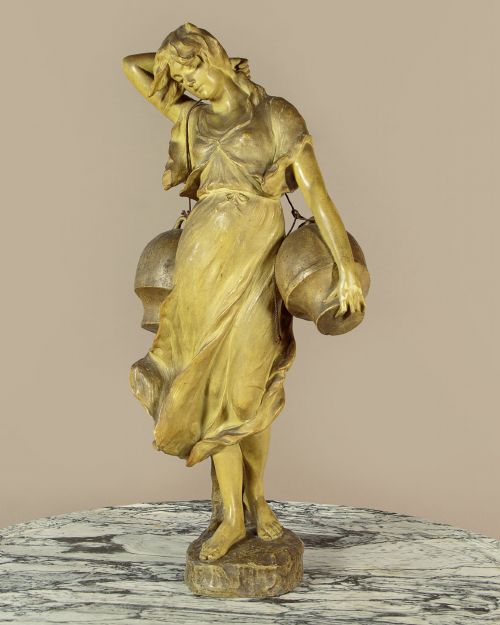
These art nouveau pottery figure pieces capture fluid organic lines and natural grace, offering collectors expressive sculptural form.
Art Nouveau Pottery Figure
When you search for art nouveau pottery figure, you encounter sculptural ceramics spanning the early twentieth century, particularly the Edwardian era and the nineteen-twenties. These works manifest in forms such as spill vases, candlesticks, and substantial figurative sculpture or figure groups.
The most common versions met on this page include Austrian terracotta and earthenware creations, alongside English candlesticks and Bohemian models. Makers like Goldscheider, Royal Dux Bohemia, and Ernst Wahliss dominate these listings with female sculptures and water carriers.
Stylistically, the pieces blend core Art Nouveau aesthetics with Orientalist and Arts and Crafts influences. They function primarily as decorative cabinet pieces or mantel ornaments rather than utilitarian vessels.
Materials and construction
Makers utilised earthenware, terracotta, and porcelain as the primary sculptural media for shaping these figures. Artisans formed the bodies through detailed moulding techniques before applying specialised glazes, paint, and pigment.
Many surfaces received hand-painted details and gilt highlights to accentuate the flowing drapery and organic contours typical of the period. Firing temperatures and pigment choices determined the final matte or glossy finish of the ceramic body.
Art Nouveau Pottery Figure Retail Price Guide 2026
Typical asking prices for art nouveau pottery figure among the pieces listed under this phrase on Sellingantiques today, from the lower quarter to the upper quarter. They describe what is for sale here now, not the wider market.
Listings feature terracotta, porcelain, and earthenware pieces spanning nineteen hundred to nineteen twenty, incorporating Art Nouveau and Arts and Crafts styles.
Judging quality and execution
The sophistication of the glaze or painted surface separates standard production from exceptional work. Rich pigment application and subtle use of gilt elevate the visual depth of the sculptural form.
Royal Dux Bohemia·Goldscheider·Ernst Wahliss·Decoro England
The Art Nouveau Pottery Figure Glossary
- Terracotta
- A porous fired red earthenware clay used widely for sculptural figures. It accepts fine detail well and often receives painted or gilt finishes.
- Spill vase
- A hollow decorative container designed to hold wooden spills used for lighting candles or fires. These vessels integrate functional tubes into figurative designs.
- Earthenware
- Pottery fired at lower temperatures than stoneware or porcelain, remaining slightly porous. It serves as the primary body for many glazed decorative sculptures.
- Orientalist
- An artistic style incorporating themes and motifs from Middle Eastern and North Asian cultures. Figures often depict exoticized characters and traditional costumes.
- Gilt
- A thin layer of gold applied to the ceramic surface to highlight ornaments or details. This technique adds warmth and contrast to painted glazes.
Art Nouveau Pottery Figure: Frequently Asked Questions
Where were these figures made?
The majority originate from Central European workshops in Austria and Bohemia, alongside some English production.
Major firms operated in towns renowned for ceramic sculpture and terracotta manufacturing during the early twentieth century.
How do I display them?
Place figures on sturdy mantelpieces, cabinets, or dedicated display tables away from high-traffic areas.
Ensure they sit safely on stable surfaces to protect the delicate extremities and glazed terracotta bodies from accidental knocks.
What subjects do they depict?
Common subjects include female figures, water carriers, and Orientalist character studies modelled in fluid poses.
Many incorporate functional elements like spill vase receptacles or candlestick holders into the sculptural composition.
How do I date these ceramics?
Examine the stylistic traits of the Art Nouveau movement alongside any impressed factory marks or model numbers.
Most pieces date between nineteen hundred and the nineteen-twenties, reflecting Edwardian and early twentieth-century manufacturing standards.