



Polychrome Terracotta Figure
A polychrome terracotta figure brings modelled clay and rich pigments together into a striking display of sculptural craft.
Polychrome Terracotta Figure
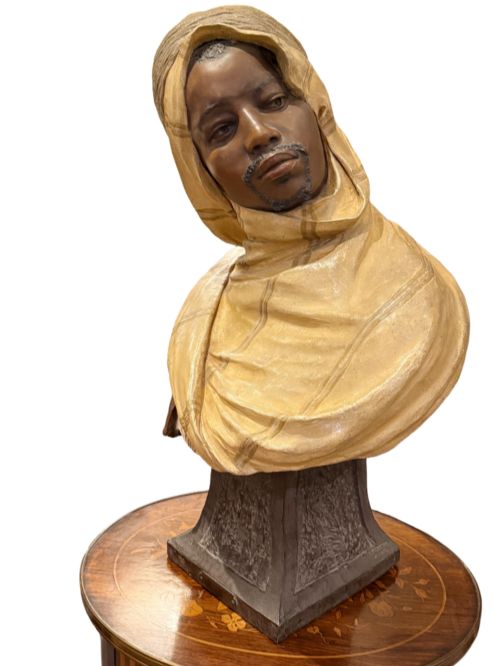
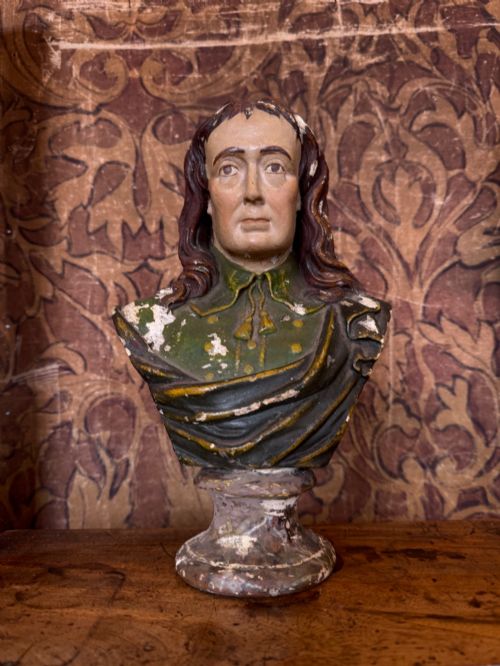
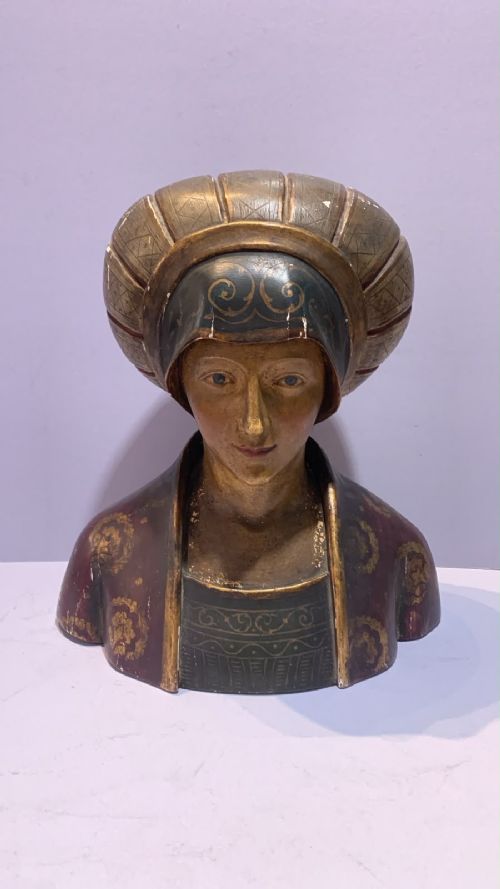
A polychrome terracotta figure represents modelled and fired earth brought to life through applied colour, spanning decorative busts, large sculptures, and figural planters. When you search for a polychrome terracotta figure, you encounter subjects ranging from classical nobility and religious iconography to orientalist studies and theatrical performers.
The pieces on this page draw from the nineteenth century, the early twentieth century, and earlier historical eras including the eighteenth century and pre-sixteenth century periods. European workshops, Austrian potteries, and Asian dynasties all contribute distinct stylistic interpretations to the selection.
Materials and construction methods
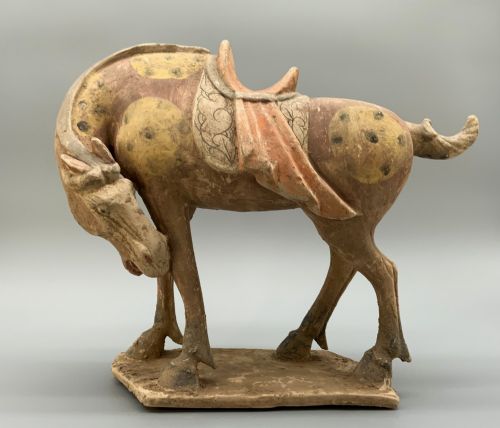
Makers shaped refined clay and earthenware before firing the body to create a durable base for subsequent decoration. Ceramic forms received glazes such as sancai, or dry paint surfaces including polychrome paint and mineral pigments.
Polychrome Terracotta Figure Retail Price Guide 2026
Typical asking prices for polychrome terracotta figure among the pieces listed under this phrase on Sellingantiques today, from the lower quarter to the upper quarter. They describe what is for sale here now, not the wider market.
Listings feature periods spanning from the 18th century and 19th century through to 1920, utilising materials such as terracotta, glazed earthenware, and mineral pigment.
Factors of quality and execution
The standard of a figure rests upon the sharpness of the underlying modelled detail and the preservation of the painted or glazed surface. Finer examples display subtle anatomical definition and careful hand-painting that remains intact across the terracotta body.
Artistic ambition distinguishes standard decorative output from works associated with known makers and specific regional revivals. The handling of posture, drapery, and facial expression reveals the competence of the workshop behind the piece.
George Kemper·Bernard Bloch·Friedrich Goldscheider
The Polychrome Terracotta Figure Glossary
- Terracotta
- A porous, fired clay body ranging in colour from pale buff to deep reddish-brown. It serves as the primary structural material for unglazed and painted sculptures.
- Polychrome paint
- Pigments applied in multiple colours to the surface of a sculpture or ceramic object. This technique adds naturalistic detail and theatrical depth to modelled figures.
- Earthenware
- Porous ceramic pottery fired at lower temperatures than stoneware or porcelain. It is frequently glazed and forms the body for various figurative works.
- Sancai
- A low-firing lead glaze associated with Chinese ceramics, typically featuring amber, green, and cream tones. It runs slightly during the firing process to create characteristic surface patterns.
- Mineral pigment
- Naturally occurring earthy or metallic colouring matter ground into powder and mixed with a binder. These pigments provide stable, matte colour on traditional figures.
Polychrome Terracotta Figure: Frequently Asked Questions
How are these figures cleaned safely?
Dust surfaces gently with a soft dry brush to protect the delicate painted layers. Avoid water or chemical cleaners that might lift mineral pigments from the terracotta.
Keep pieces away from direct moisture and handling to preserve the original polychrome finish over time.
What periods do these pieces represent?
The selection includes items spanning from pre-sixteenth century pottery up through eighteenth-century crèche figures and nineteenth-century European sculptures.
Twentieth-century examples and revival pieces also appear, reflecting diverse global manufacturing traditions and stylistic revivals.
Where were these sculptures made?
Origin locations range across European centres including Austria, Italy, and Spain, alongside Asian traditions from China and Japan.
Continental workshops produced many of the nineteenth-century decorative busts and figural planters found in this category.
How do glazes differ from paint?
Glazes are vitreous coatings fused to the ceramic body during a high-temperature kiln firing. They provide a glossy, permanent seal over the earthenware.
Polychrome paint and mineral pigments sit on top of the fired clay without vitrification, offering a matte finish that requires careful preservation.