
Painted Earthenware Figure
These painted earthenware figure pieces bring tangible history to a shelf, capturing centuries of human artistry in clay and pigment.
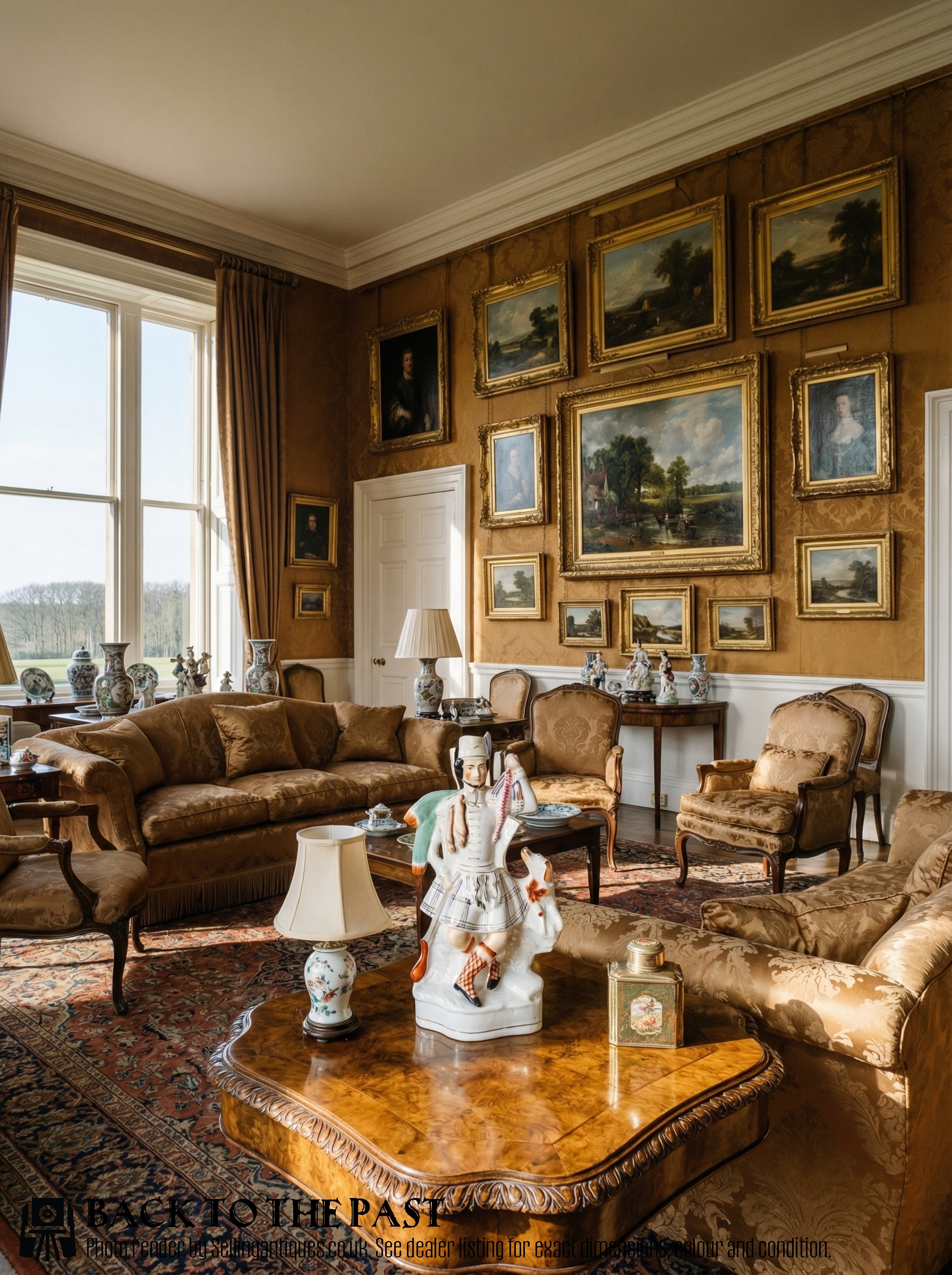
Painted Earthenware Figure
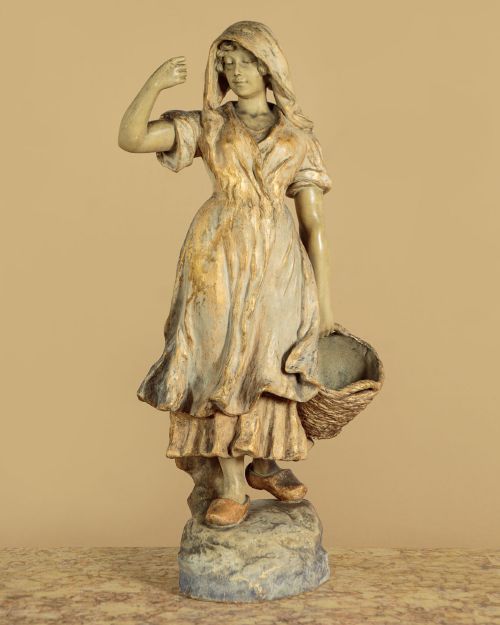
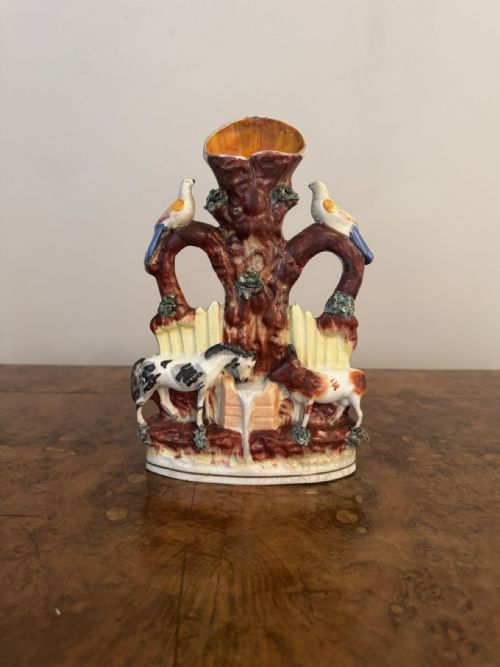
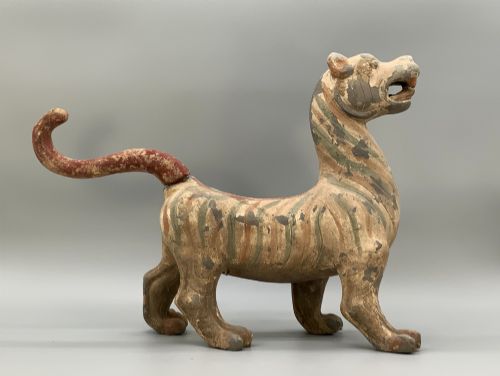
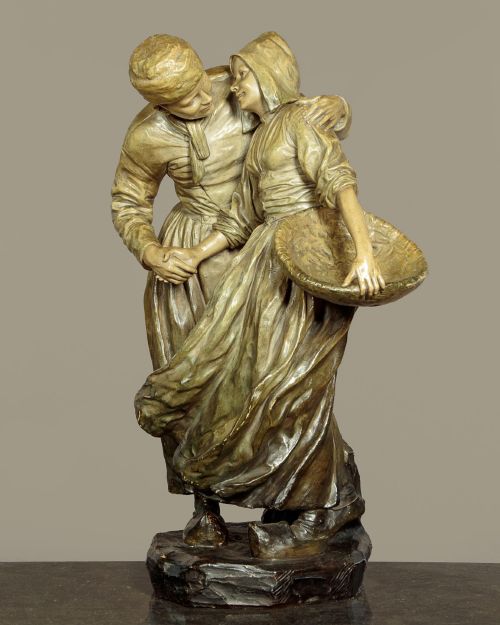
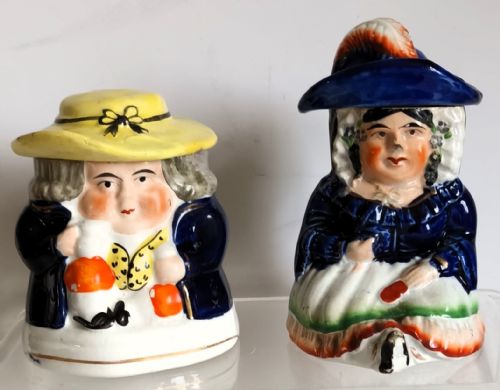
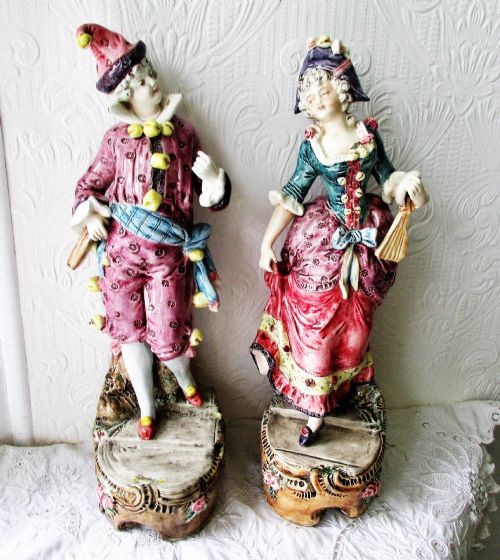
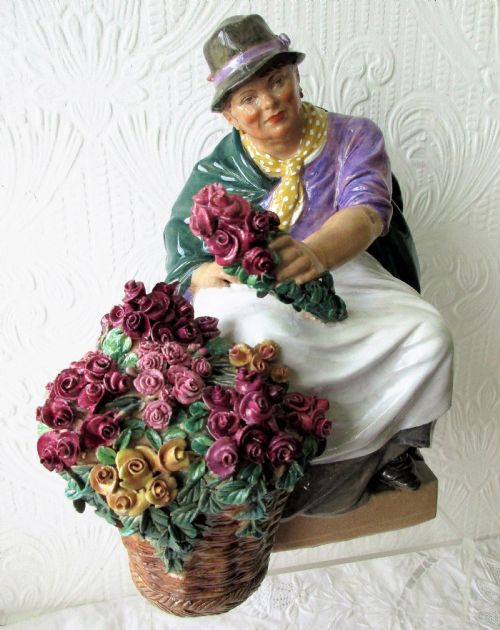
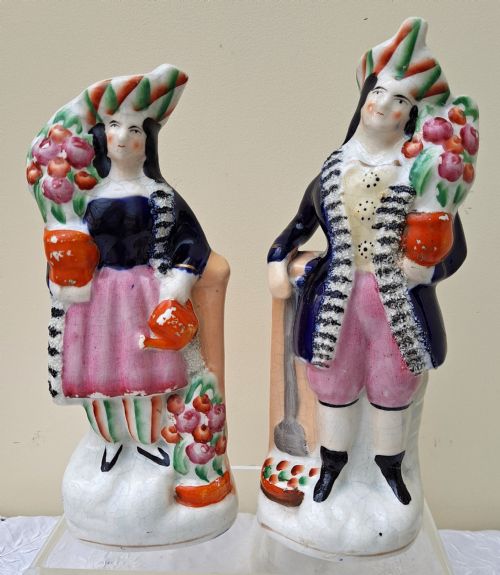
A painted earthenware figure represents a diverse tradition of ceramic sculpture spanning ancient dynasties, Victorian mantelpieces, and twentieth-century studio pottery. Buyers seeking a painted earthenware figure will encounter various forms, ranging from Staffordshire flatbacks and terracotta portrait groups to Chinese tomb guardians and Japanese earthenware vessels.
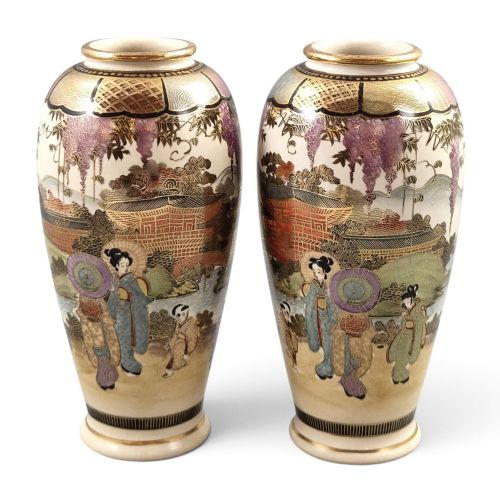
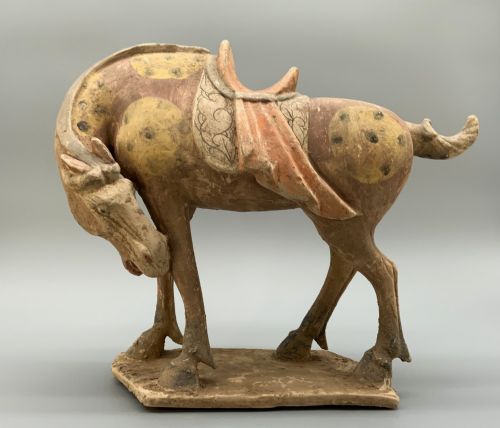
The selections available reflect extensive global origins, moving from ancient Persian bowls and Tang Dynasty horses to nineteenth-century European figures and Japanese Meiji period Satsuma wares. Victorian Staffordshire pottery pairs and French faience pieces dominate the domestic European grouping, alongside studio works from named makers.
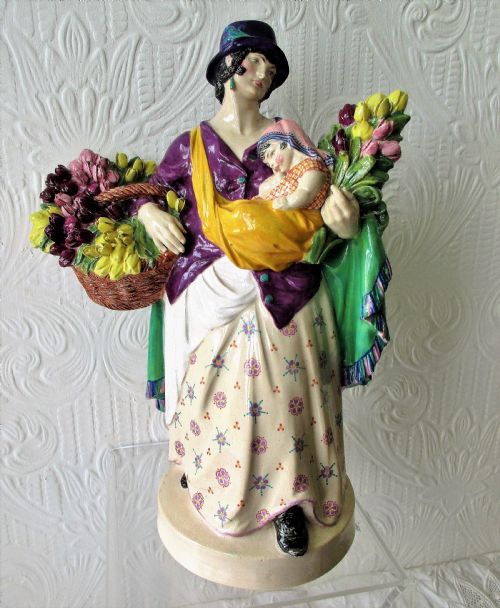
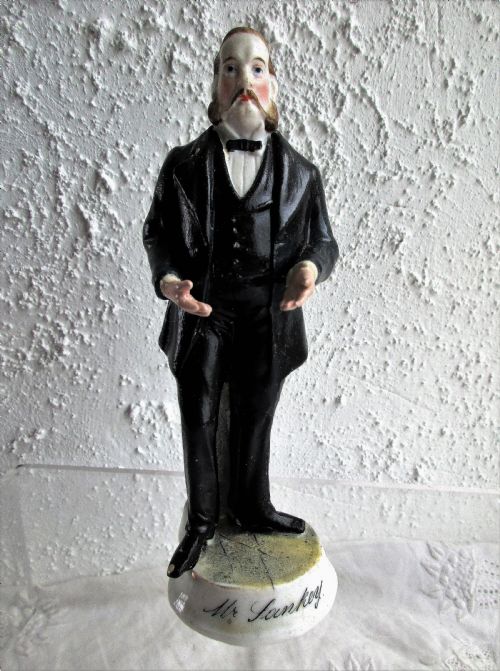
Each painted earthenware figure captures the aesthetic priorities of its era, whether recording royal portrait groups, mythical beasts, or everyday rural characters. These ceramic objects serve primarily as decorative ornaments, preserving the specific sculptural and painting styles of periods from the tenth century onward.
Materials and technique
Makers formed each painted earthenware figure using porous clay bodies such as terracotta, creamware, or pearlware, which were shaped either by hand, on a potter's wheel, or pressed into moulds. This earthenware base provided an absorbent foundation for subsequent decoration.
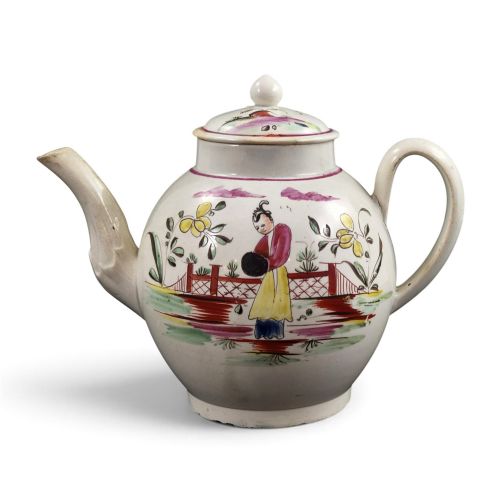
Surface decoration relied upon applied pigments, enamel colours, and glazes, sometimes enhanced with gold leaf details. Artisans painted directly onto the fired or unfired clay, utilising lead or tin glazes to seal the porous ceramic body and fix the polychrome designs.
Painted Earthenware Figure Retail Price Guide 2026
Typical asking prices for painted earthenware figure among the pieces listed under this phrase on Sellingantiques today, from the lower quarter to the upper quarter. They describe what is for sale here now, not the wider market.
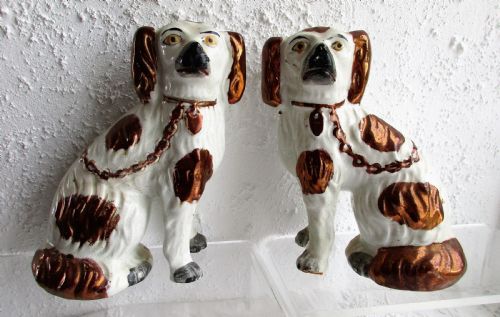
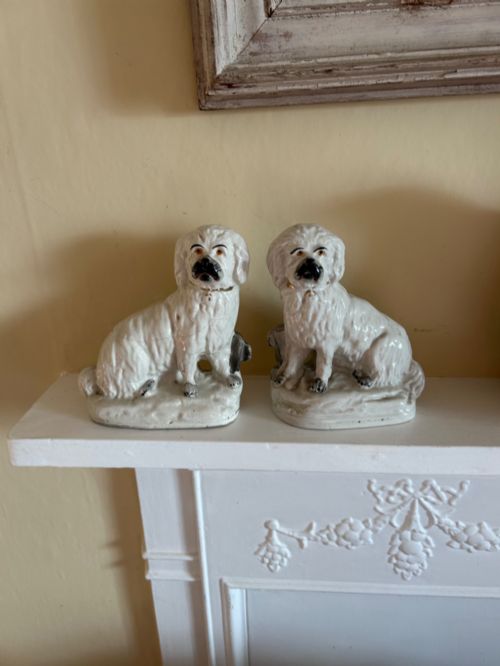
Victorian mantelpieces once barked with ceramic spaniels, bringing loyal guard dogs indoors without the trouble of feeding them.
Variations in quality
The quality of a painted earthenware figure depends largely on the precision of the modelling and the fine detail of the hand-painted decoration. Finer pieces display crisp facial expressions, careful anatomical proportions, and meticulously applied polychrome enamels that remain vibrant and well-aligned.
Artisans at the upper end of production achieved superior balance in form and subtlety in glaze application, avoiding the heavy-handed brushwork or distorted moulding seen in mass-produced variants. The expertise of the pottery workshop dictates whether a sculpture possesses enduring character or appears stiff and generic.
Goldscheider·Charles Vyse·Bernard Bloch
The Painted Earthenware Figure Glossary
- Earthenware
- A porous ceramic pottery body fired at relatively low temperatures that requires glazing to become waterproof. It forms the structural base for most traditional painted figures and vessels.
- Flatback
- A style of Staffordshire pottery figure moulded with a flat, unpainted reverse designed to sit flush against a wall on a mantelpiece. These figures were popular in British households during the nineteenth century.
- Faience
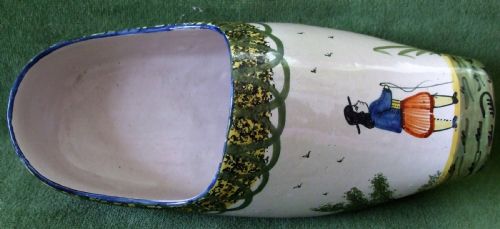
- Tin-glazed earthenware originating in Europe, known for its smooth white or coloured opaque background. Artisans painted directly onto the unfired glaze to create intricate pictorial designs.
- Terracotta
- Unglazed or glazed fired brownish-red clay used extensively for sculptural figures. It allows for fine surface detail and deep modelling in the hands of skilled modellers.
- Slip
- A liquid mixture of clay and water applied to pottery for decoration or surface smoothing. Slip-painted pieces feature designs trailed or brushed onto the contrasting clay body before firing.
Painted Earthenware Figure: Frequently Asked Questions
How do I clean my painted earthenware figure?
Dust the surface gently with a soft, dry brush to prevent dirt accumulation without disturbing the delicate painted pigments.
Avoid using water, chemical solvents, or abrasive cloths, as moisture can penetrate the porous earthenware body and damage old enamel or paint.
Where were these figures originally displayed?
Victorian Staffordshire figures typically occupied prominent positions on cottage mantelpieces and drawing-room shelves as decorative statements.
Earlier Asian and European examples often served ceremonial, funerary, or high-status interior display purposes within wealthy households.
Are these figures glazed all over?
Many earthenware pieces feature glazes covering the main display surfaces to seal the porous clay underneath.
Some early or specific types, particularly unglazed terracotta or specific flatbacks, may leave parts of the clay body exposed.
How can I tell the period of a figure?
Examine the specific style of painting, the type of clay base, and the characteristics of the glaze or enamels used.
Stylistic markers such as Victorian dress, Meiji motifs, or ancient dynasty forms provide direct clues to the manufacturing era.