



Antique Spanish Sculpture
Antique spanish sculpture spans centuries of devotional carvings and bronze casts, offering collectors profound craftsmanship rooted in European art history.
Antique Spanish Sculpture
When you search for antique spanish sculpture, you encounter a distinct gathering of devotional works, religious figures, and secular bronzes. These objects range from seventeenth-century wooden saints to nineteenth-century animal bronzes and twentieth-century figures.
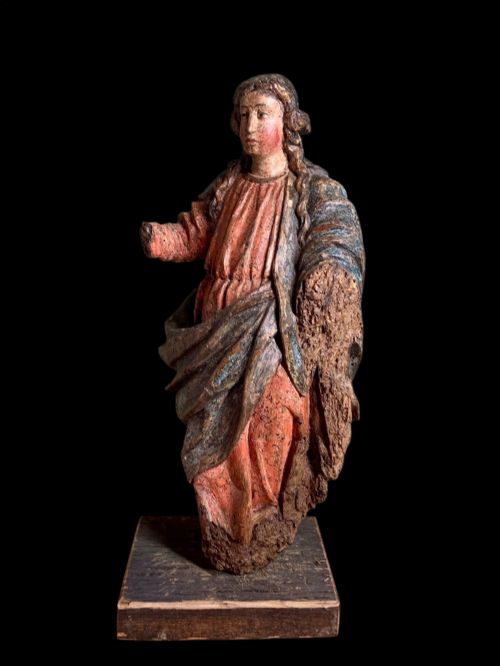
The pieces most frequently met on this page are carved wooden figures adorned with gesso and polychrome paint. Saints, corporas, and religious busts dominate the selection, reflecting the deep ecclesiastical traditions of the region.
Alongside sacred imagery, the inventory extends to secular subjects including animal studies and character heads. Makers span academic realists, folk artists, and twentieth-century modernists working in bronze, terracotta, and fruitwood.
Materials and construction methods
Wood serves as the primary medium, utilising carved timber, walnut, and fruitwood to form the core of religious figures and wall sculptures. Artisans shaped these materials with chisels before applying gesso to smooth the surface for subsequent decoration.
Polychrome paint and gold leaf provide the surface finish on many seventeenth and eighteenth-century pieces. Painters layered pigments over gesso grounds, often incorporating fine gilding to highlight garments and halos on sacred figures.
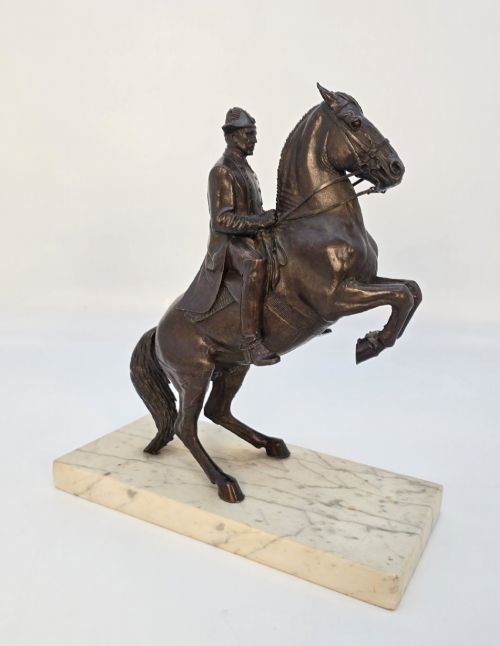
Bronze casting appears in later nineteenth and twentieth-century works, utilising foundry techniques to capture fine details in equestrian studies and animal figures. Terracotta and painted folk mediums also emerge in domestic and regional items.
Antique Spanish Sculpture Retail Price Guide 2026
Typical asking prices for spanish sculpture among the pieces listed under this phrase on Sellingantiques today, from the lower quarter to the upper quarter. They describe what is for sale here now, not the wider market.
Listings feature works spanning the sixteenth century through the mid-twentieth century, predominantly executed in carved wood, bronze, and polychrome paint.
Distinctions in quality
The preservation of original polychrome paint and gilding dictates the desirability of wooden sculptures. Retaining authentic surface layers without excessive later overpainting distinguishes works of higher historical integrity.
In bronze castings, the crispness of the chase work and the nuance of the patina determine the calibre of the piece. Well-cast sculptures maintain sharp details in musculature and texture straight from the foundry.
Justo de Gandarias·Antoine Bofill
The Antique Spanish Sculpture Glossary
- Polychrome
- Painted in several colours, frequently applied to wood or gesso surfaces to create lifelike religious figures. This technique was central to traditional European ecclesiastical art.
- Gesso
- A plaster mixture applied as a base coat on wood before painting or gilding. It provides a smooth ground for intricate surface decoration.
- Corpus Christi
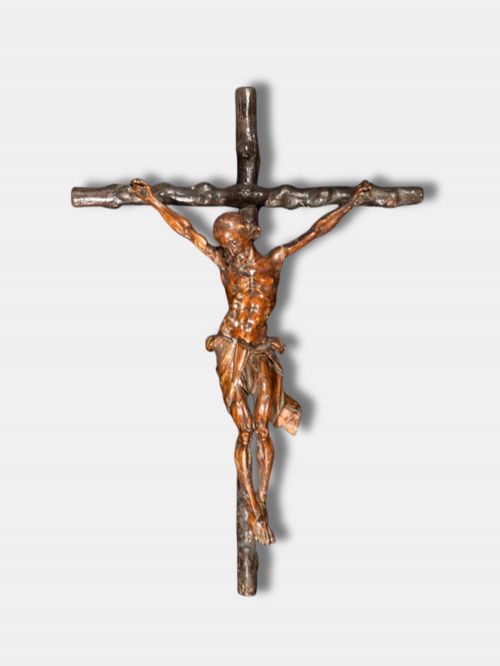
- An image of Christ on the cross, typically rendered in carved wood or cast bronze. These devotional objects range from small domestic crosses to large church figures.
- Santos
- A carved figure representing a saint or holy person, often dressed in real textiles in traditional settings. These statues were central to Spanish religious devotion.
- Acolyte
- An altar server or assistant, depicted in certain candlestick figures and ecclesiastical wood carvings. Such pieces served practical and devotional functions in churches.
Antique Spanish Sculpture: Frequently Asked Questions
How do I date an old wooden figure?
Dating relies on stylistic clues, tool marks left by the carver, and the ageing of the underlying wood. Examining the gesso and paint layers under magnification helps determine whether the surface finish is period-correct.
Changes in clothing styles, facial proportions, and carving techniques across the sixteenth, seventeenth, and eighteenth centuries also provide reliable chronological markers for experts.
What is a santos figure?
A santos figure is a carved representation of a saint used in religious devotions and processions. These statues often feature articulated joints or simplified bodies designed to support elaborate garments.
Collectors prize them for their folk art appeal and direct connection to historical religious practices in Spain and its colonies.
How were polychrome sculptures finished?
Artisans first sealed the carved wood with a layer of gesso, followed by fine linen scrim in some instances. Pigments mixed with oil or tempera were then painted onto the prepared surface.
Gold leaf was frequently applied to specific areas using a size adhesive, creating a rich contrast against the painted robes and flesh tones.
Where should I display a wooden sculpture?
Wooden and polychrome sculptures require stable indoor environments away from direct sunlight and extreme humidity fluctuations. Maintaining consistent room conditions protects the wood from splitting and preserves fragile paint layers.
Placement should avoid heat sources such as radiators, which dry out ancient timbers and cause gesso to flake over time.