



Red Terracotta Planters
Red terracotta planters are robust earthen vessels shaped for planting, prized for their ability to breathe and nurture roots while ageing with a rich patina.
Red Terracotta Planters
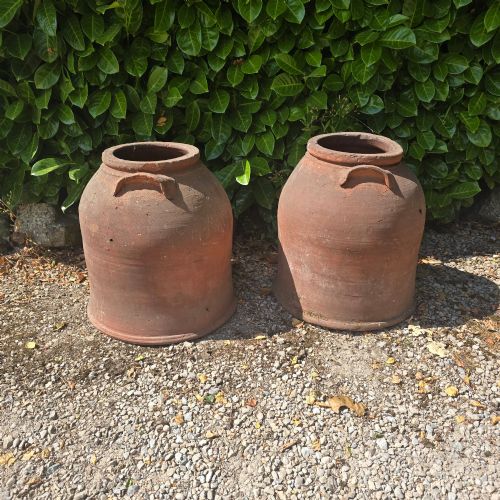
Red terracotta planters encompass a range of sturdy garden containers and architectural vessels designed for horticulture and display. Buyers seeking red terracotta planters will find robust garden urns, campana shapes, and decorative jardinieres shaped from porous clay.
The selection on this page draws from the nineteenth century, early twentieth century, and the Georgian period, alongside related earthenware and cast iron forms. Pieces vary from simple chimney pots and rustic Spanish figures to grand neoclassical garden urns and glazed majolica on stands.
How they were made
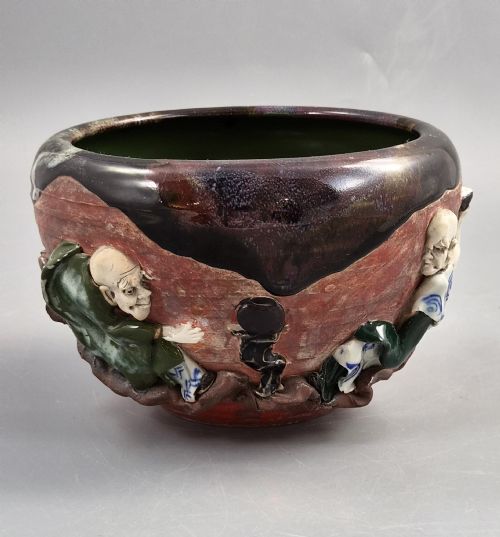
Makers shaped these vessels from clay, earthenware, and terracotta, firing the materials to achieve a porous body suited for garden use. Some examples incorporate glazed surfaces, painted finishes, or relief figures moulded onto the exterior.
Certain items combine the primary terracotta body with cast iron or marble elements, while others utilise distinct regional techniques such as Japanese relief decoration or Spanish folk moulding traditions.
Red Terracotta Planters Retail Price Guide 2026
Typical asking prices for red terracotta planters among the pieces listed under this phrase on Sellingantiques today, from the lower quarter to the upper quarter. They describe what is for sale here now, not the wider market.
Listings feature nineteenth-century and early twentieth-century pieces, spanning materials from terracotta and earthenware to cast iron and marble.
What varies in quality
Quality rests in the crispness of the modelling and the depth of the clay body, where sharper relief work and balanced proportions elevate a utilitarian pot into a sculptural focal point. The integrity of the material determines how well the vessel resists weathering over decades outdoors.
Distinction also lies in the character of the surface age, where natural weathering enhances the material rather than obscuring the original form. Finer examples display deliberate artistic intent in their styling, whether drawing upon neoclassical symmetry or distinct regional folk traditions.
The Red Terracotta Planters Glossary
- Terracotta
- A porous, unglazed baked clay fired at moderate temperatures. It is valued in horticulture for allowing air and moisture to pass through the vessel walls.
- Campana urn
- A bell-shaped garden vessel with an everted rim and a footed base. This classical form frequently appears in nineteenth-century garden ornaments.
- Jardiniere
- An ornamental pot or stand designed to hold growing plants or flowers. These vessels often sit on matching pedestals or floor stands.
- Majolica
- A type of earthenware coated with an opaque tin glaze and painted with metallic oxide colours. It provides a glossy, colourful surface distinct from standard terracotta.
- Rhubarb forcer
- A specialised tall ceramic vessel placed over rhubarb crowns to exclude light and encourage early, tender shoots.
Red Terracotta Planters: Frequently Asked Questions
Can red terracotta planters stay outside in winter?
Most heavy terracotta vessels endure winter weather well, though extreme frost can damage saturated clay. Ensuring proper drainage helps prevent cracking during freezing conditions.
Elevating pots off the ground on pot feet keeps moisture from freezing underneath the base.
How do I clean an old terracotta planter?
A gentle brush with water removes loose soil and organic debris without damaging the soft clay surface. Avoid harsh chemical cleaners that strip away the aged patina.
Allowing natural weathering to remain often adds to the character and visual depth of older garden ornaments.
How can I tell the age of a terracotta planter?
Age is indicated by surface wear, mineral deposits from watering, and the specific moulding style of the period. Nineteenth-century examples often display softer tool marks and heavier earthenware walls.
Comparing the decorative motifs, such as neoclassical details or Victorian proportions, helps narrow down the manufacturing era.