
Weathered Garden Urn
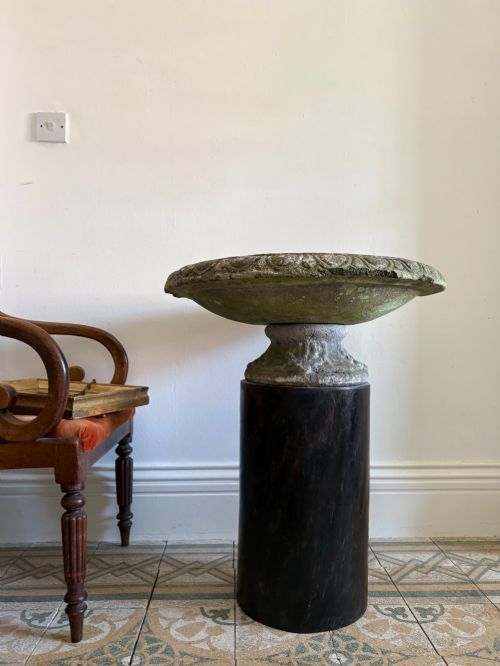
Weathered garden urn pieces bring classical gravity to outdoor spaces through decades of exposure.
Weathered Garden Urn
A weathered garden urn sits comfortably in traditional and contemporary landscapes alike, carrying the marks of decades outdoors. Buyers look for these vessels to anchor planting schemes with architectural weight and established character.
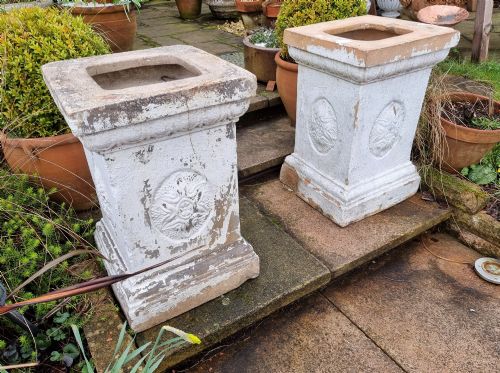
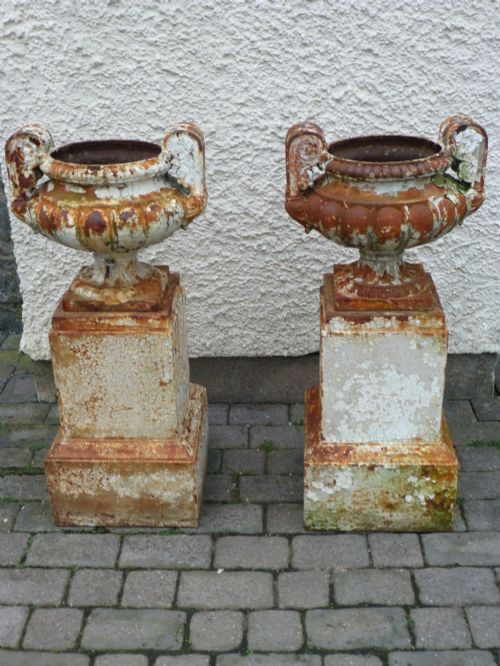
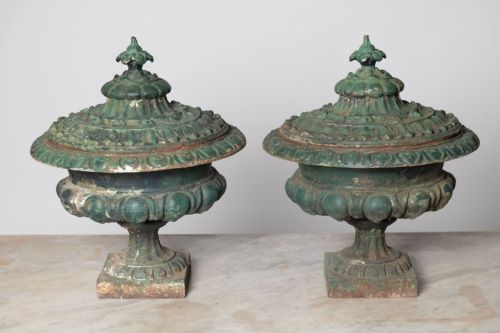
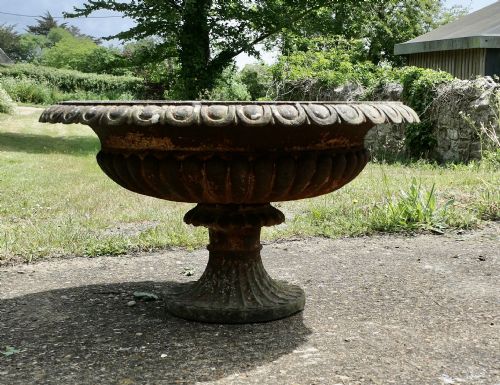
The pieces on this page span the nineteenth century through the mid twentieth century, drawing on Victorian, neoclassical, and gothic revivals. Cast iron and terracotta examples appear frequently alongside cast stone and reconstituted stone.
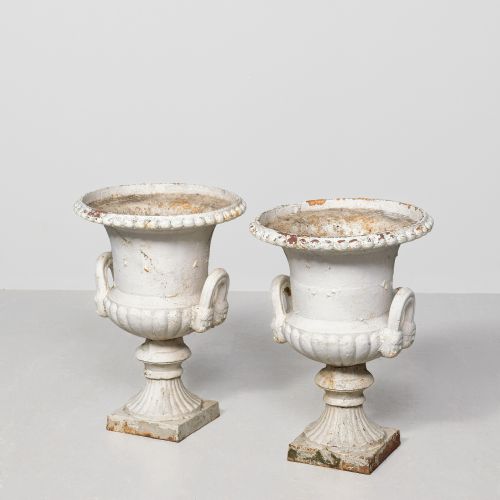
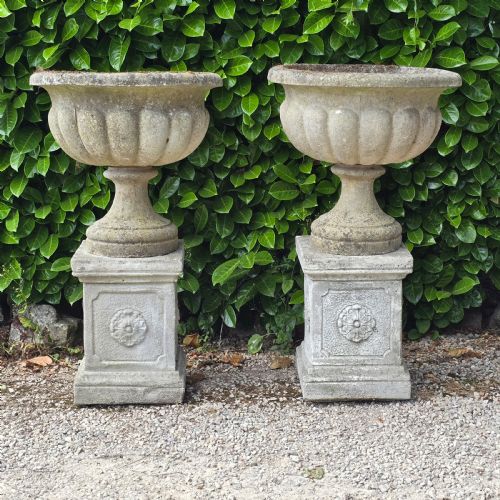
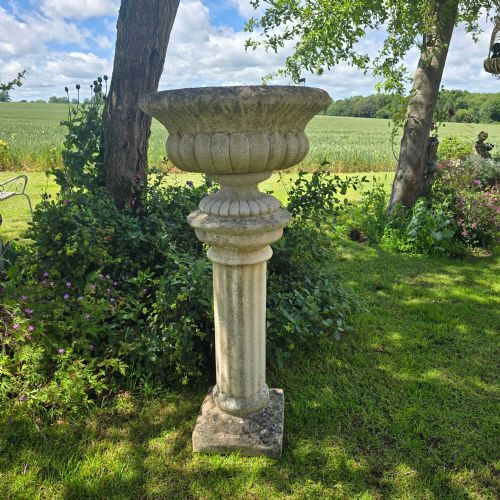
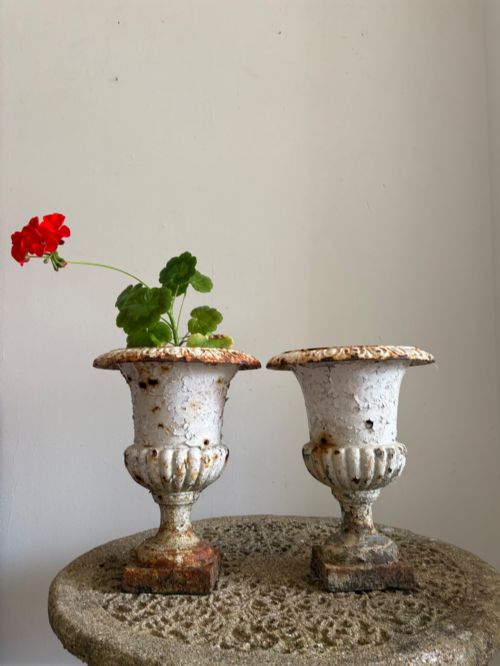
Forms range from campana shapes on matching plinths to oil jars and amphorae. Many survive in pairs, designed originally to flank paths, doorways, or terrace steps.
Materials and Methods
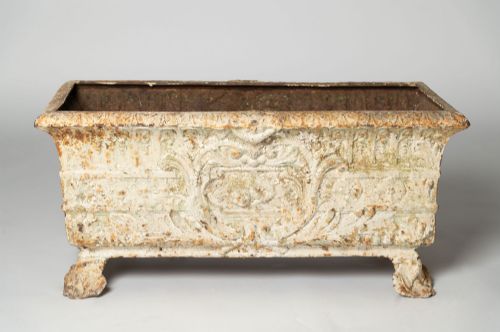
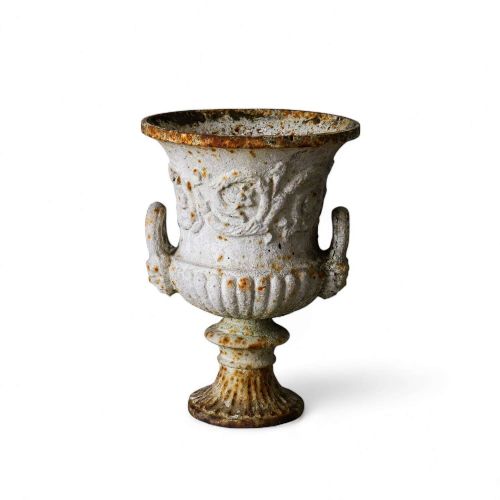
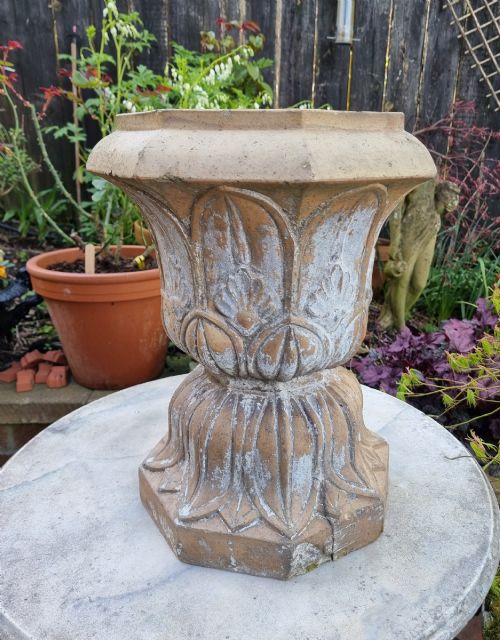
Foundries cast iron into classical campana and tazza profiles, sometimes retaining traces of original painted finishes or surface distress. Terracotta and clay vessels take form through traditional throwing or moulding, originating from British, French, and Italian kilns.
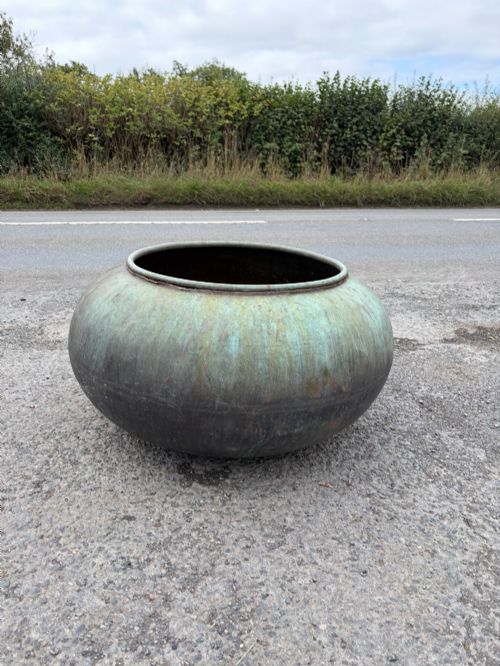
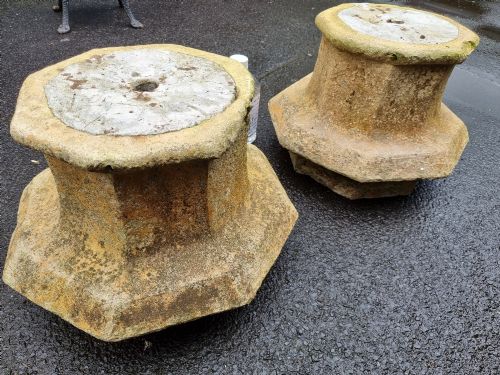
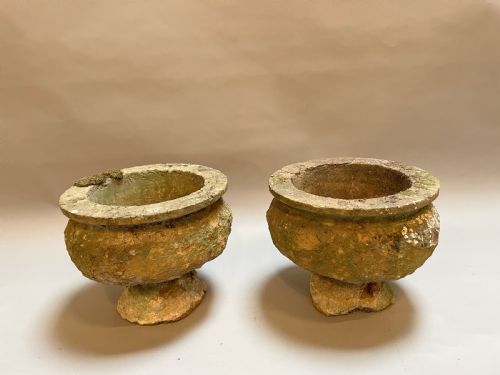
Cast stone and composite stone emerge from aggregates poured into rigid moulds, developing softer textures and organic patination over time. Copper and soft stone represent alternative structural choices found across the period range.
Materials span cast iron, terracotta, reconstituted stone, copper, and clay across Victorian, Edwardian, and Regency eras.
Distinctions in Quality
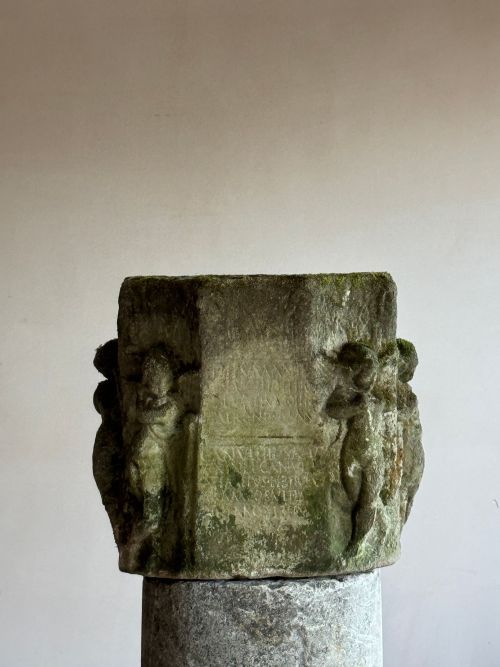
Quality rests in the crispness of classical detailing, such as egg and dart moulding, fluting, and cast relief work. Earlier foundries and skilled modellers achieved sharper definition that survives beneath layers of weathering and lichen.
Original matching plinths and retaining lids elevate the integrity of a piece. The depth and stability of the natural surface patination also separate superior examples from standard garden ornaments.
Dunfermline Clay Company·Falkirk Carron foundry·Andrew Handyside
The Weathered Garden Urn Glossary
- Campana urn
- A bell shaped vessel with an everted rim and a pedestal foot. This classical form dominates nineteenth century iron and terracotta gardenware.
- Tazza
- A shallow cup or basin set upon a stem and foot. Victorian iterations in cast iron served as decorative garden centrepieces.
- Reconstituted stone
- A durable material composed of crushed stone and cement binder moulded into architectural shapes. It mimics natural carved stone.
- Amphora
- A two handled jar with a narrow neck used historically for storage. Mediterranean examples bring rustic texture to outdoor displays.
- Plinth
- A heavy base or pedestal supporting an urn or statue. Matched pairs elevate garden vessels for improved sightlines.
Weathered Garden Urn: Frequently Asked Questions
How do I care for cast iron urns?
Cast iron garden vessels require minimal maintenance beyond seasonal checks for standing water during freezing periods. Applying appropriate protective coatings helps manage surface oxidation.
Positioning the base on bricks or feet prevents moisture retention from damp ground. This simple measure preserves the metal integrity over decades of exposure.
Are terracotta urns frost proof?
Traditional terracotta possesses natural porosity that absorbs moisture, making heavy frost a risk for unlined or saturated vessels. Emptying soil during winter months reduces internal pressure.
Storing pots under cover or wrapping them provides additional protection against cracking. Many weathered pieces survive precisely because previous owners managed winter storage carefully.
How can I date a garden urn?
Dating relies on material composition, casting seams, and stylistic markers such as Victorian neoclassical motifs. Nineteenth century iron pieces often exhibit distinct foundry marks or heavier wall thickness.
Twentieth century examples tend to use cast stone or lighter concrete mixes. Comparing the patination against the recorded period provides further context.
Can these urns stay outside all year?
Cast iron, stone, and reconstituted stone handle year round outdoor placement without issue. Their existing weathered surfaces develop further character through ongoing exposure to rain and sun.
Terracotta and clay require more careful site selection during sub zero temperatures. Placing them in sheltered microclimates protects the ceramic body from freeze thaw damage.