





French Olive Jar
These french olive jar pieces are robust utilitarian vessels that bring rustic warmth and historical texture to modern interiors and gardens.
French Olive Jar
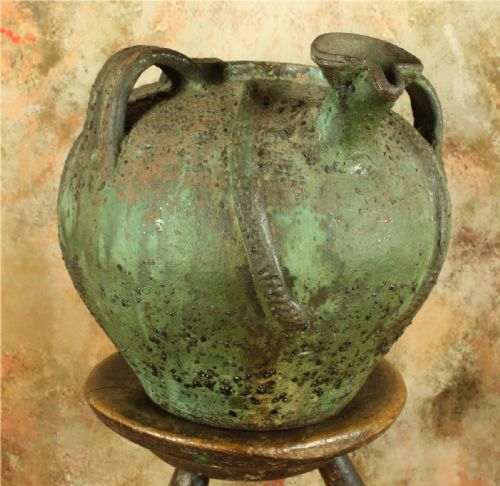
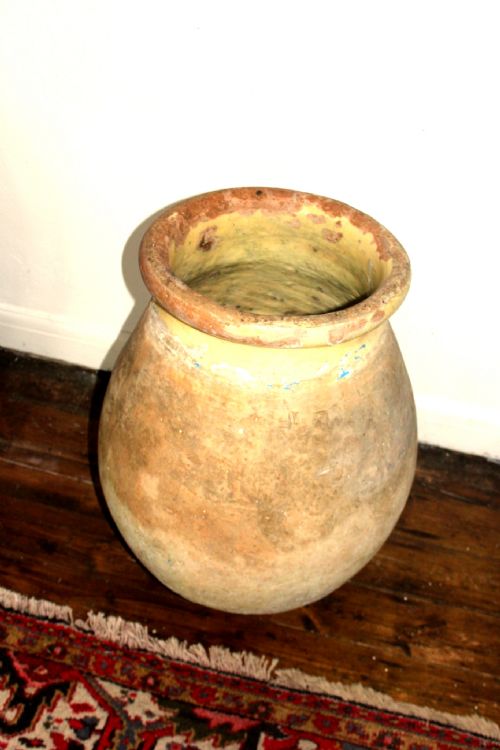
A french olive jar is a substantial storage vessel historically utilised for agricultural produce such as oil, olives, and preserves across the French countryside. Buyers searching this phrase encounter heavy earthenware forms originating from the eighteenth and nineteenth centuries, including utilitarian confit jars, walnut oil jugs, and large Biot pots.
The pieces appearing on this page span several distinct regional styles, encompassing French Provincial, rustic farmhouse, and Mediterranean country aesthetics. Many examples retain traces of their original partial glazes, painted finishes, or weathered surfaces accrued through decades of agricultural use.
How they were made
Potters built these vessels using regional clay and terracotta, shaping them by hand into generous, bulbous forms designed to stand securely on stone floors. Artisans frequently applied lead-based or green glazes to the upper sections to ensure the vessels remained impermeable to precious oils and liquids.
Some examples feature applied handles, ranging from single lugs to three structural handles intended for lifting and tilting heavy loads. Alongside earthenware, the tradition includes blown glass carboys and demi-johns shaped while hot in protective iron frames or stands.
French Olive Jar Retail Price Guide 2026
Typical asking prices for french olive jar among the pieces listed under this phrase on Sellingantiques today, from the lower quarter to the upper quarter. They describe what is for sale here now, not the wider market.
Several heavy oil pots retain three handles, designed so sturdy farm workers could heave them sideways without dropping a drop of oil.
What varies in quality
Quality in a french olive jar rests in the harmony of its proportions, the natural depth of its aged patina, and the intactness of its original surface treatment. Superior examples display organic irregularities from hand-throwing that enhance their visual weight without compromising structural integrity.
The French Olive Jar Glossary
- Terracotta
- Fired unglazed clay ranging in colour from pale buff to deep reddish-orange. This porous material forms the primary body of most traditional garden pots and storage vessels.
- Confit jar
- A rounded earthenware pot featuring handles, traditionally used in the French countryside for preserving meats and fruits. These pots often display characteristic green or yellow lead glazes.
- Biot jar
- A large terracotta storage vessel originating from the town of Biot in the south of France. These heavy pots were traditionally employed for storing olive oil.
- Carboy
- A large, bulbous glass vessel enclosed in a protective frame, historically used for transporting liquids. They are frequently found in blown glass alongside traditional earthenware.
- Patina
- The surface texture, wear, and weathering accumulated on an object over centuries of use. A genuine aged patina adds significant visual depth to antique ceramics.
French Olive Jar: Frequently Asked Questions
What were french olive jars used for?
These vessels served as essential storage containers in rural French households and agricultural estates for holding olive oil, wine, grain, and preserved foods. Their thick earthenware walls kept contents cool and protected from pests.
Over time, many of these utilitarian containers transitioned from agricultural workhorses into decorative architectural elements within gardens and domestic interiors.
How old are these olive jars?
The pieces available range primarily from the eighteenth century through the early twentieth century, capturing distinct periods of French country craftsmanship. Earlier examples often show the hand-thrown irregularities typical of small-scale rural potteries.
Dates are generally determined by examining the manufacturing technique, clay body composition, and the specific style of handles or glazes present on the vessel.
Can french olive jars stay outside?
Terracotta vessels have a long history of outdoor use in gardens, courtyards, and terraces. However, porous earthenware can absorb moisture that expands during freezing temperatures.
Owners living in colder climates often store unglazed terracotta indoors or under cover during winter to prevent cracking from frost action.
How do I clean an antique jar?
Gentle cleaning with warm water and a soft brush is usually sufficient to remove surface dust while preserving the delicate historical patina. Harsh chemical cleaners and abrasive scrubbers should be avoided as they can strip away fragile glazes and aged surfaces.
Allowing the vessel to dry completely helps maintain the integrity of both the clay body and any residual interior coatings.