
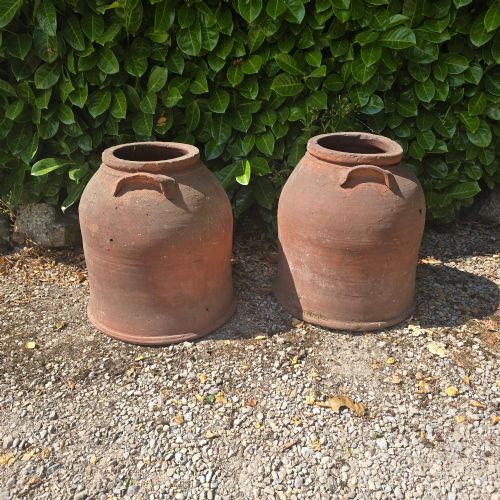


Antique Clay Pot
These antique clay pot examples span utilitarian vessels and garden planters, bringing tactile earthiness and centuries of utility straight to your interior or grounds.
Antique Clay Pot
An antique clay pot encompasses an array of utilitarian vessels, garden planters, and architectural elements originating from periods such as the nineteenth century, the Victorian era, and pre-sixteenth century antiquities. Buyers searching this phrase meet everything from rustic Mediterranean olive jars and Turkish water pots to large garden urns and rhubarb forcers.
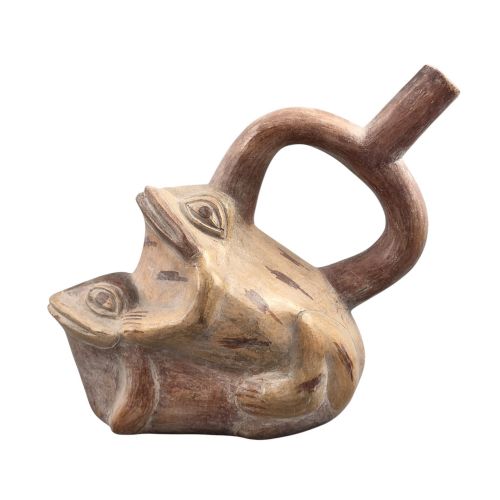
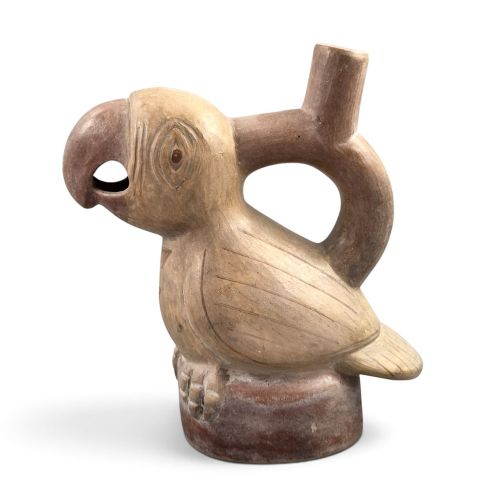
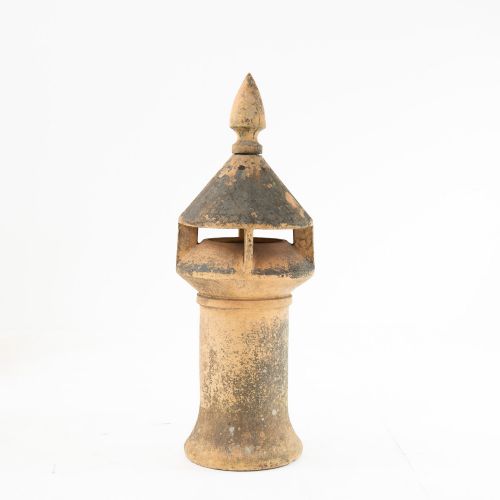
Forms vary significantly according to function, spanning tall chimney pots, ornithomorphic vessels, cooking dishes, and double-spouted teapots. These pieces draw on styles like Arts and Crafts, rustic Mediterranean, and Victorian country house traditions.
The selection ranges from early Greek antiquities to twentieth-century garden pots, reflecting both domestic utility and horticultural display. Each piece demonstrates the enduring practicality of fired earth across different cultures and centuries.
How they were made
Potters utilised terracotta, earthenware, stoneware, and buff clay, shaping them into functional vessels, chimney pots, and garden ornaments. Many pieces rely on the natural porous properties of fired clay without additional coating.
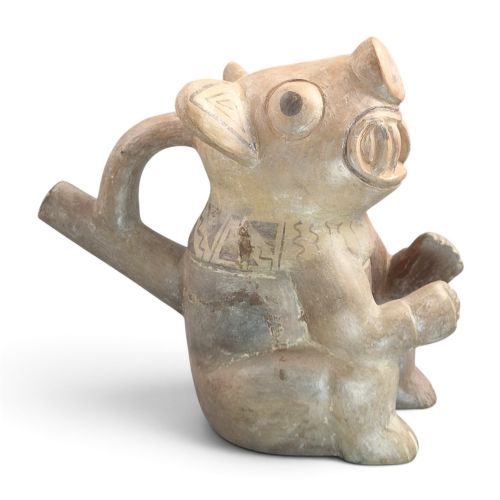
Certain items feature ceramic glazes or paint finishes, adding surface colour and protection to the underlying body. Techniques range from hand-modelled pre-Columbian forms to wheel-thrown Mediterranean amphorae and moulded garden planters.
Several heavy pots spent decades encouraging early vegetable growth as Victorian rhubarb forcers before retiring to the garden.
What varies in quality
Quality rests in the integrity of the clay body, the balance of the thrown or moulded form, and the character achieved through weathering and age. Pieces showing confident handling by the maker stand apart from utilitarian output.
Surface variation, such as historical paint remnants or natural patination accumulated through decades in Mediterranean olive groves or Victorian gardens, adds depth. The distinction lies between standard commercial production and pieces possessing distinct regional or stylistic character.
C. R. Stevens·Compton Pottery
The Antique Clay Pot Glossary
- Terracotta
- A porous, unglazed or glazed fired clay of a brownish-red colour. It is widely utilised for garden planters, olive jars, and architectural chimney pots.
- Earthenware
- Pottery fired at relatively low temperatures that remains porous unless glazed. This material forms many of the domestic vessels and cooking dishes seen in older periods.
- Stoneware
- A dense, hard ceramic fired at high temperatures until vitrified and non-porous. It provides durability for kitchenware and utility vessels.
- Amphora
- A tall ancient storage jar with two handles and a narrow neck. Mediterranean examples frequently served to transport and store oil or wine.
- Rhubarb forcer
- A heavy earthenware or terracotta cover placed over rhubarb plants to exclude light and encourage tender growth. These garden cylinders often include a removable lid.
- Ornithomorphic
- Shaped or decorated in the form of a bird. This term describes ancient figurative vessels modelled with avian characteristics.
Antique Clay Pot: Frequently Asked Questions
How do I care for terracotta outdoors?
Terracotta is porous and absorbs moisture, which can freeze and crack the clay during cold winter weather. Protect garden pots by raising them on pot feet and moving vulnerable pieces indoors before frosts arrive.
Brush away dirt gently using a soft bristle brush rather than pressure washing, which can erode the aged surface patination. Allow the clay to dry naturally to preserve its structural integrity.
How are antique olive jars identified?
Olive jars typically display thick walls, substantial scale, and utilitarian forms designed for storage and transport in Mediterranean regions. Many feature tapered bases or heavy rims intended for rope securing.
Surface wear, historical paint traces, and regional clay variations help distinguish nineteenth-century examples from modern reproductions. Examining the interior reveals manufacturing marks left by early potters.
What is a chimney pot used for?
Chimney pots sat atop masonry stacks to improve the draught of a fire and prevent smoke from blowing back down. Nineteenth-century examples often utilised buff clay or terracotta for durability against weather elements.
Today, these architectural salvage pieces serve widely as striking garden ornaments or planters. Their height and varied cowl designs add vertical interest to garden landscapes.
Are ancient vessels waterproof?
Many early earthenware and terracotta pots remain porous due to low-temperature firing techniques and lack of internal glaze. Water can slowly seep through the clay body over time.
Displaying ancient vessels safely indoors requires placing a modern liner or saucer underneath to protect surfaces. For garden use, this natural porosity allows plant roots to breathe.