

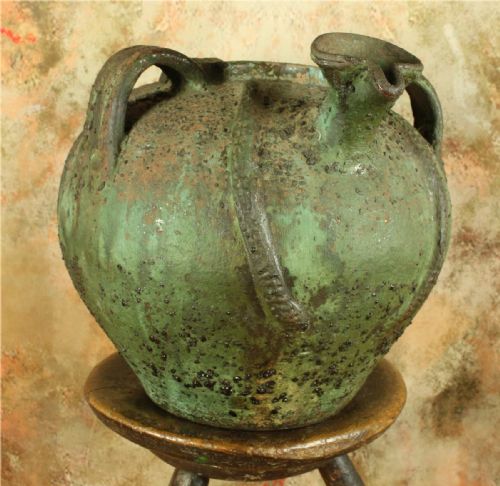


Rustic Pottery Urn
A rustic pottery urn brings tactile warmth to a room, offering earthy clay textures and time-worn glazes that suit traditional and modern spaces alike.
Rustic Pottery Urn
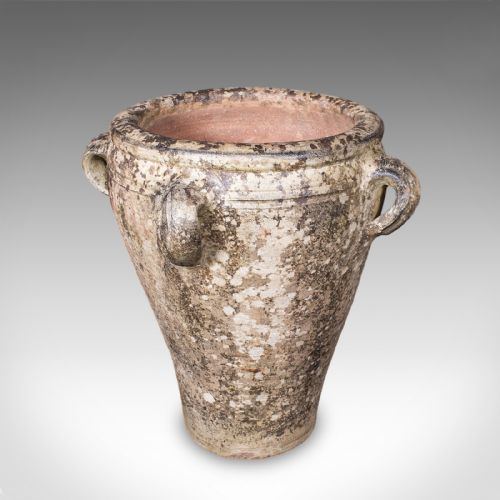
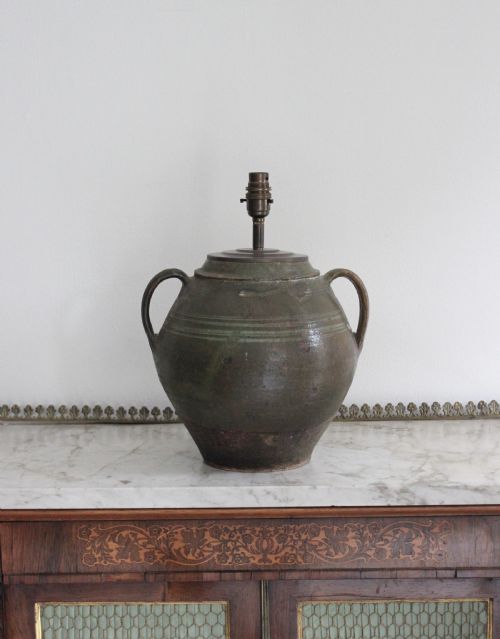
A rustic pottery urn encompasses utilitarian vessels shaped from clay for storage, agriculture, and display, originating from European and Mediterranean traditions. When searching for a rustic pottery urn, buyers encounter diverse forms ranging from large olive jars and confit pots to amphorae and garden planters.
The pieces on this page span the eighteenth, nineteenth, and early twentieth centuries, capturing periods such as the Victorian era alongside specific years like eighteen-eighty, nineteen-hundred, and nineteen-ten. French country, French provincial, and Mediterranean folk art styles dominate the selection, reflecting regional agricultural uses.
Most examples function as decorative vessels, vases, and jardiniere planters rather than pristine museum objects. Their forms reveal practical origins, often featuring multiple handles, generous bellies, and weathered surfaces developed through decades of utility.
What varies in quality
Quality in these pieces rests in the integrity of the form, the depth of the glaze, and the character of the surface wear accumulated over centuries. Strong throwing lines and balanced proportions distinguish finer vessels from utilitarian wares.
Rustic Pottery Urn Retail Price Guide 2026
Typical asking prices for rustic pottery urn among the pieces listed under this phrase on Sellingantiques today, from the lower quarter to the upper quarter. They describe what is for sale here now, not the wider market.
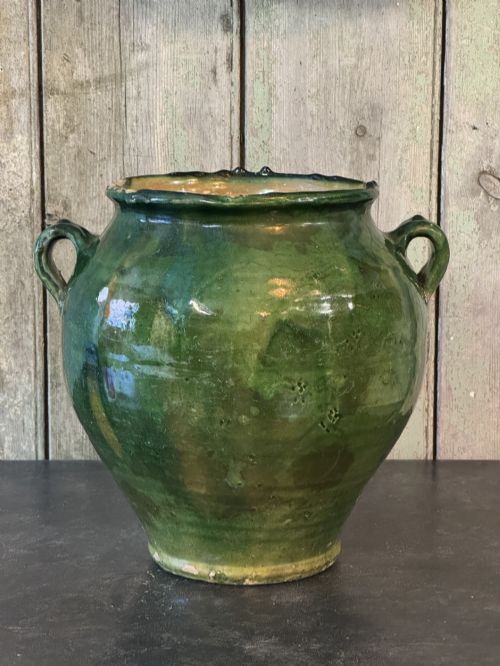
Listings feature earthenware, terracotta, and painted clay vessels originating from nineteenth-century France and the broader Mediterranean.
The Rustic Pottery Urn Glossary
- Terracotta
- A porous reddish-brown earthenware clay that is fired at relatively low temperatures. This material forms the structural body for many traditional Mediterranean storage jars and garden vessels.
- Confit Pot
- A traditional French earthenware jar featuring handles, historically used for preserving and storing meats or oils. These pots often display a characteristic partial or full glaze.
- Amphora
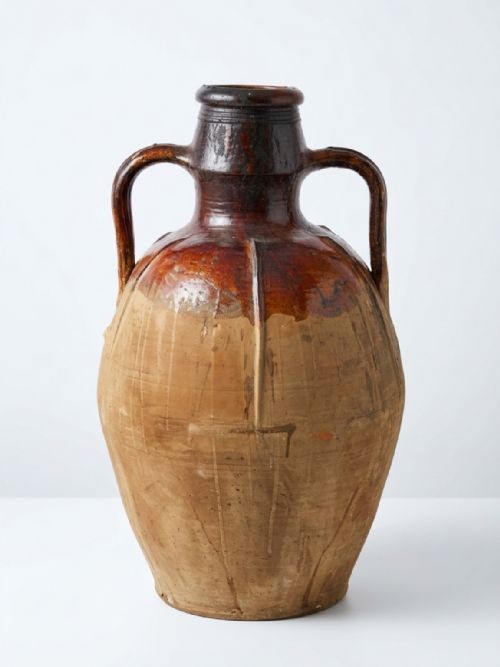
- A two-handled ancient vessel shape with a narrow neck, utilised across the Mediterranean for transporting and storing goods such as wine and olive oil. Later adaptations retain this classic silhouette for decorative purposes.
- Jardiniere
- An ornamental pot or stand designed to hold growing plants or flowers. In rustic ceramics, these vessels often incorporate naturalistic textures and open tops suited for interior display.
- Earthenware
- Pottery fired at lower temperatures that remains porous unless glazed. It constitutes the primary ceramic body for nineteenth-century confit jars and country vessels.
Rustic Pottery Urn: Frequently Asked Questions
What were rustic pottery urns used for?
These vessels served primarily practical roles in agricultural communities across France and the Mediterranean. Farmers utilised them for storing olive oil, wine, walnuts, and preserved foods.
Over time, exposure to elements and daily handling created the patinated surfaces valued by modern decorators. Today, collectors repurpose them as decorative floor vases, garden planters, and sculptural interior accents.
How do I date a rustic pottery urn?
Dating relies on observing manufacturing techniques, clay characteristics, and stylistic traits associated with specific periods like the eighteenth or nineteenth century. Handmade inconsistencies and tool marks often indicate earlier production methods.
Glaze chemistry and regional forms also help narrow the timeframe, distinguishing nineteenth-century French confit pots from later Mediterranean olive jars.
Are these urns waterproof?
Many earthenware and terracotta vessels remain slightly porous due to the low-fire nature of the historic clay. Fully glazed examples hold water better, but unglazed portions can still seep moisture over extended periods.
Placing a protective saucer or inner liner inside the vessel prevents moisture damage when using them for fresh cut flowers or live indoor plants.
Where should I display a rustic pottery urn?
Their substantial scale makes them ideal as floor-standing accent pieces in entryways, living rooms, and empty architectural corners. Smaller vessels fit comfortably on tabletops, sideboards, and open shelving.
Pairing them with dried botanicals or leaving them empty allows the natural texture and historical glaze to serve as a focal point in the room.