



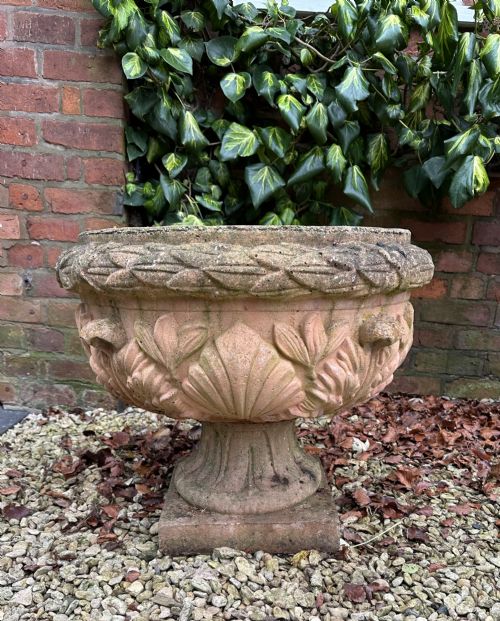


Outdoor Terracotta Pots
Outdoor terracotta pots bring timeless warmth to garden spaces through durable fired earth and weathered patinas.
Outdoor Terracotta Pots
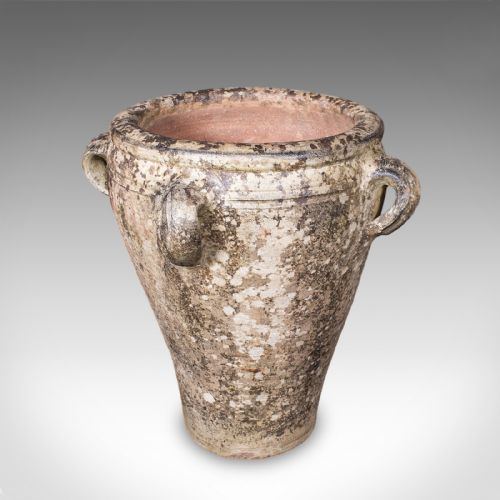
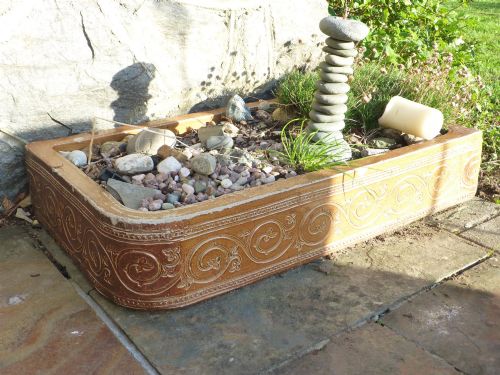
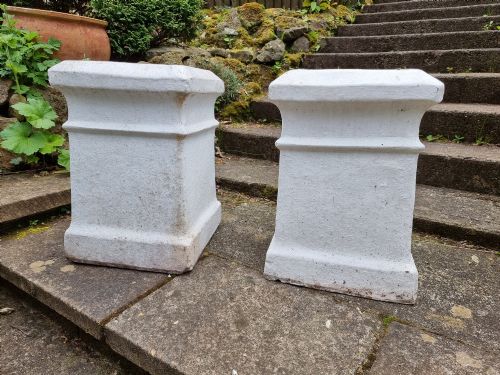
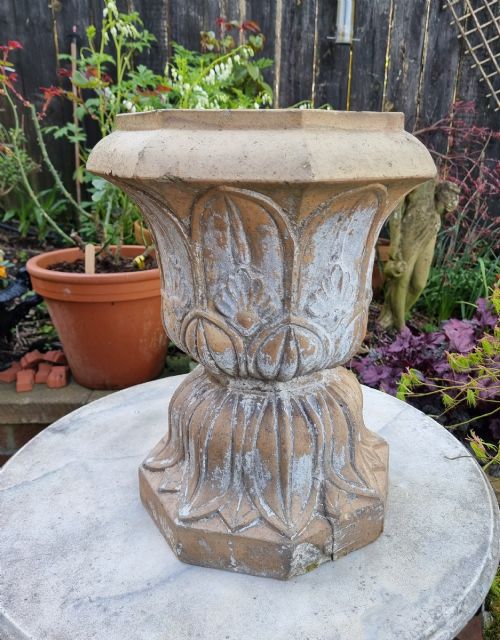
Most pieces date from the Victorian era up to the 1930s, encompassing styles such as Victorian rustic, neoclassical, and French Art Nouveau. Forms include campana urns, strawberry planters, window troughs, and chimney pot pedestals.
Makers and origins vary from Scottish potteries to French workshops and Compton Pottery style creations. Buyers often find salt-glazed stoneware alongside traditional clay and painted terracotta.
How they were made
Potters shaped native clays and terracotta before firing them at high temperatures to create durable garden vessels. Salt-glazed stoneware varieties received a salt application during the kiln firing to produce a vitrified, protective finish.
Many items incorporate decorative detailing such as faux bois textures mimicking wood or classical neoclassical moulding. Lead components and paint finishes occasionally appear on specific nineteenth-century garden pedestals and urns.
Outdoor Terracotta Pots Retail Price Guide 2026
Typical asking prices for outdoor terracotta pots among the pieces listed under this phrase on Sellingantiques today, from the lower quarter to the upper quarter. They describe what is for sale here now, not the wider market.
Victorian homeowners occasionally repurposed industrial chimney pots into garden sundials and planters to confuse their guests.
What varies in quality
The distinction between standard vessels and exceptional ones lies in the crispness of the modelling and the depth of the firing. Faux bois detailing and classical motifs show superior artistic execution when the hand of the potter remains sharp and defined.
Surface patina heavily influences the appeal of these garden pieces, with natural weathering over decades adding considerable aesthetic depth. Salt-glazed surfaces demonstrate varying degrees of vitrification and glaze consistency across different workshops.
The Outdoor Terracotta Pots Glossary
- Terracotta
- A porous, brownish-red fired clay commonly utilised for garden pots and architectural elements. It absorbs moisture, which over time develops a desirable weathered surface.
- Salt-Glazed Stoneware
- A dense ceramic material created by throwing salt into the kiln during high-temperature firing. This process forms a glossy, pebble-textured glaze that resists frost.
- Campana Urn
- A traditional bell-shaped garden vessel with a flared rim, frequently mounted on a pedestal base. This classic neoclassical form dates back to antiquity.
- Faux Bois
- An artistic technique mimicking wood grain and natural timber textures moulded into clay or stoneware. It gained popularity during the nineteenth century for rustic garden ornaments.
Outdoor Terracotta Pots: Frequently Asked Questions
Can outdoor terracotta pots handle frost?
Many older terracotta and salt-glazed stoneware pieces withstand cold weather, though porosity varies by clay density and firing temperature. Salt-glazed varieties generally offer superior moisture resistance compared to standard porous clay.
Gardeners often elevate these vessels on feet or pedestals during winter to prevent moisture absorption from freezing ground. Protected positioning prolongs the lifespan of nineteenth-century garden urns.
How do I identify a Victorian urn?
Victorian examples frequently display neoclassical details, heavy proportions, or rustic faux bois texturing typical of nineteenth-century manufacturing. The weight of the clay and the natural patina provide clues to their age.
Examination of the interior and drainage holes reveals hand-finishing techniques distinct from modern mass-produced garden containers. Specific forms like chimney pot conversions also point directly to this period.
Why are some pots salt-glazed?
Salt glazing creates a hard, impermeable surface that protects the underlying stoneware from frost damage and moisture penetration. Artisans introduced salt into the kiln fires to achieve this distinctive textured finish.
This technique produced durable garden troughs and urns capable of surviving harsh outdoor climates for centuries. The resulting glaze ranges from smooth sheens to orange-peel textures.