


Art Deco Terracotta Sculpture
Art deco terracotta sculpture combines sleek modernist form with earthy fired clay, giving any room a sharp, sculptural centrepiece.
Art Deco Terracotta Sculpture
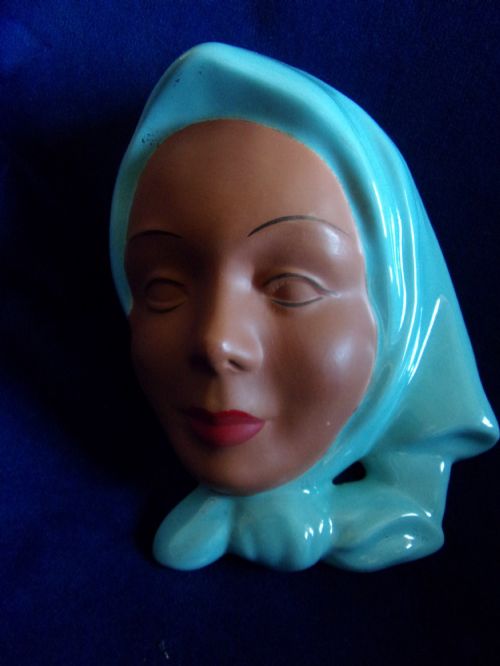
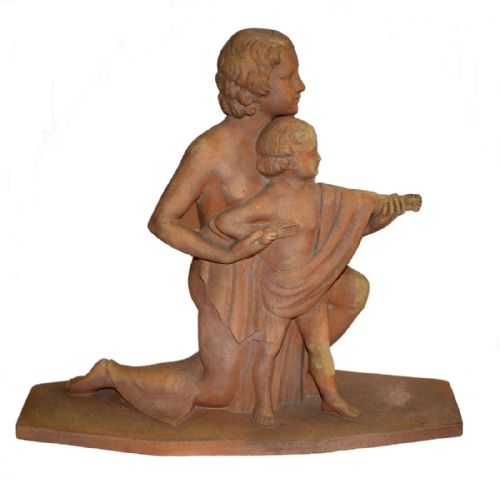
When you search for art deco terracotta sculpture, you encounter figures, busts, wall masques, bookends, and animal groups shaped in the distinctive geometric and stylised manner of the twentieth century. These works capture human dancers, goddesses, children, panthers, and goats with clean lines that define the period aesthetic.
The pieces you meet on this page hail primarily from the 1920s and 1930s, alongside earlier Edwardian and late nineteenth-century examples that prefigure the movement. French and Austrian studios feature strongly among the origins, alongside individual named modellers working in earthenware and glazed ceramics.
Forms range from intimate desk bookends to substantial wall sculptures and busts mounted on stands. Many incorporate wooden bases or painted surfaces to complement the primary terracotta body.
How art deco terracotta sculpture was made
Certain works combine the fired clay with wooden elements or mount the terracotta bust upon a wooden base. Plaster also appears as a related sculptural medium alongside the primary terracotta body.
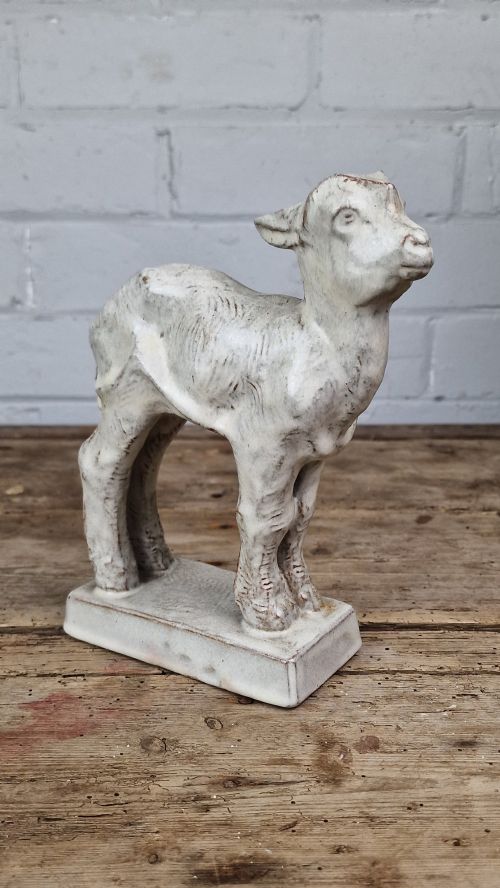
A small kid goat stands among the human dancers and panthers, proving that farmyard animals found a comfortable home in the jazz age.
What varies in quality
Surface finish also dictates distinction, where master potters utilised careful application of glaze or paint to enhance the sculptural depth. Pieces bearing clear signatures from recognised modellers carry greater artistic weight than unsigned workshop output.
Gilbert Privat·Compton Potters Art Guild·Guido Cacciapuoti·Bohumil Rezl·Ary Bitter·Ugo Cipriani·Paul Philippe
The Art Deco Terracotta Sculpture Glossary
- Terracotta
- A porous fired red earthenware clay used widely for sculptural figures and architectural ornaments. It hardens permanently in a kiln.
- Wall Masque
- A decorative sculptural relief designed to be hung upon a wall, often depicting a stylised human face or theatrical mask.
- Bisque
- Unglazed fired ceramic or porcelain that possesses a matte, porous texture resembling unpolished stone.
- Bookends
- A matched pair of heavy sculptural supports placed at either end of a row of books to keep them upright.
- Earthenware
- Pottery fired at relatively low temperatures which remains porous unless sealed with a vitreous glaze.
Art Deco Terracotta Sculpture: Frequently Asked Questions
What is art deco terracotta sculpture?
These works are three-dimensional figures, busts, and animal groups produced during the early twentieth century using fired clay. They reflect the stylised geometry and sleek aesthetics of the interwar period.
Artists utilised earthenware to shape dancers, panthers, and human portraits, often applying paint or glaze to the finished surface.
How were they displayed originally?
Makers designed these objects to sit upon mantelpieces, desks, wooden pedestals, and library shelves as decorative focal points. Bookends served the dual purpose of holding volumes upright while adding a sculptural element to the room.
Wall masques were hung directly on interior walls to provide decorative relief in hallways and reception rooms.
How do I care for terracotta sculpture?
Keep the unglazed or painted surfaces away from excessive moisture, as porous earthenware absorbs liquids readily. Dust the pieces gently with a dry, soft brush rather than using wet cloths.
Position them on stable surfaces where they will not be knocked, given the heavy and rigid nature of fired clay.