


Vintage Bisque Figure
These vintage bisque figure pieces are unglazed porcelain sculptures that bring classic charm to a room.
Vintage Bisque Figure
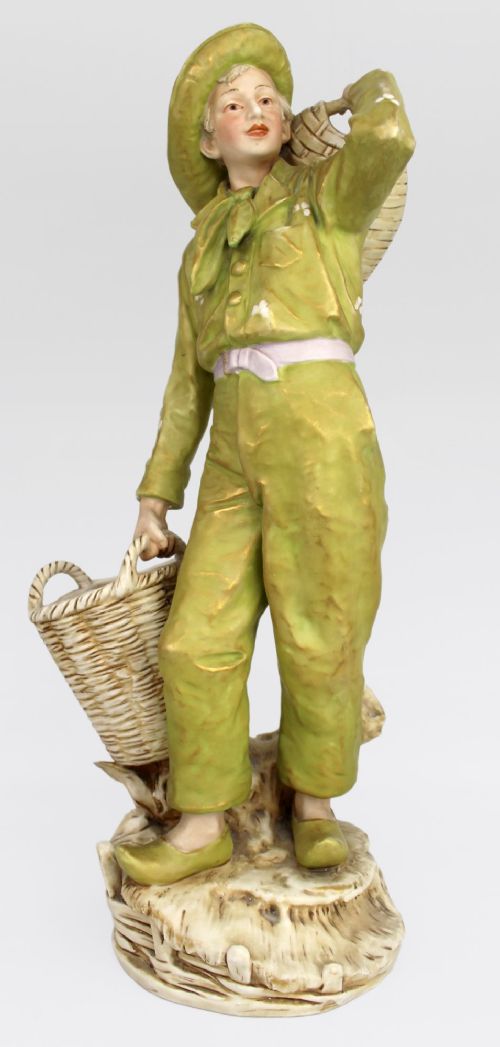
When you search for vintage bisque figure, you are looking at unglazed ceramic sculptures shaped into figurines, statues, and decorative groups. The pieces seen here span the Victorian era, the Edwardian period, and the Art Deco years up to later than 1960. You will frequently encounter figures depicting young boys, ladies holding jugs, and pairs of figures.
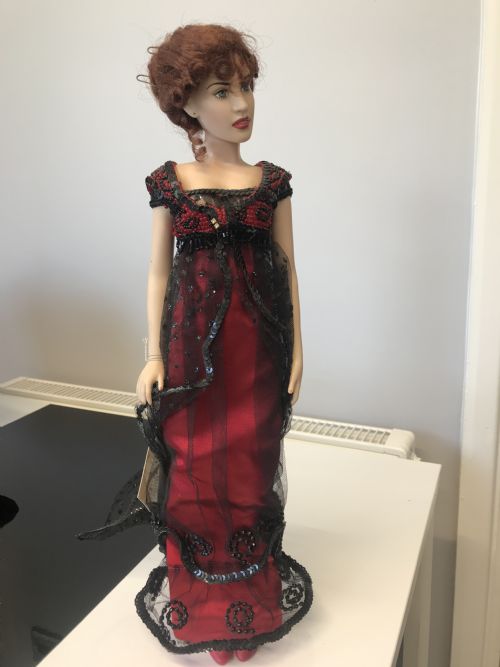
Many examples originate from notable makers such as Royal Dux Bohemia and Franklin Mint. Forms range from piano babies and water carriers to figures on fishing boats and seated statues. French regional pieces also appear alongside British and European works.
The selection includes both individual sculptures and matched pairs. Dating stretches from the nineteenth century through the 1930s and beyond, offering a broad spectrum of historical styles.
How they were made
These sculptures utilise bisque porcelain, ceramic, and terracotta as primary materials, shaped without a glossy surface glaze. This leaves a matte texture that captures fine modelling detail.
Materials in these listings include bisque porcelain, terracotta, and enamel, alongside touches of gilt and gold leaf.
What varies in quality
Quality rests in the crispness of the modelling and the sensitivity of the hand-painted details. Finer examples show sharp facial expressions and clean application of enamel and gilt.
The weight of the porcelain and the stability of large figure groups also distinguish superior works from simpler mass-produced items.
Royal Dux Bohemia·Franklin Mint·B Rezl
The Vintage Bisque Figure Glossary
- Bisque porcelain
- Unglazed ceramic ware fired to a matte finish. This porous material absorbs pigments differently than glazed porcelain.
- Piano baby
- A small ceramic figure placed on the front of a piano during the Victorian era. These pieces usually depict infants in reclining or crawling poses.
- Gilt
- A thin layer of gold applied to the surface of the ceramic. It highlights specific decorative elements on the sculpture.
- Art Deco
- A design style prominent in the 1930s featuring geometric shapes and streamlined forms. Figures from this period reflect modern aesthetic shifts.
- Figurine
- A small carved or moulded statue representing a human or animal. These objects serve purely decorative purposes in interior settings.
Vintage Bisque Figure: Frequently Asked Questions
How do I clean bisque porcelain?
Cleaning unglazed porcelain requires gentle care because the porous surface can trap dust and moisture. Use a soft, dry brush or a dry cloth to remove surface particles.
Avoid using water or chemical cleaners, as moisture can stain the unpainted matte ceramic body permanently.
Where were Royal Dux figures made?
Royal Dux figures originated from the porcelain and pottery manufactory in Bohemia, which is part of the modern Czech Republic. The factory became famous for its distinct sculptural style during the late nineteenth and early twentieth centuries.
Works from this maker often feature naturalistic human and animal subjects decorated with subtle tints and gilding.
How do I date an antique figure?
Dating relies on stylistic clues, such as Victorian drapery or Art Deco geometric lines, alongside factory marks stamped on the base. Material composition and the type of hand-painted enamels also provide hints about the era of manufacture.
Comparing the modelling techniques with documented pieces helps narrow down the period from the nineteenth century to later decades.