


1930s Ceramic Figurine
A 1930s ceramic figurine captures the distinct modernity and theatrical flair of the interwar period, offering collectors a striking sculptural form.
1930s Ceramic Figurine
When you examine a 1930s ceramic figurine, you encounter the definitive aesthetic of the Art Deco era expressed through porcelain, bone china, and glazed earthenware. These pieces take many practical and decorative forms, ranging from standalone sculptural ornaments and bookends to functional powder boxes, trinket jars, and table lamps.
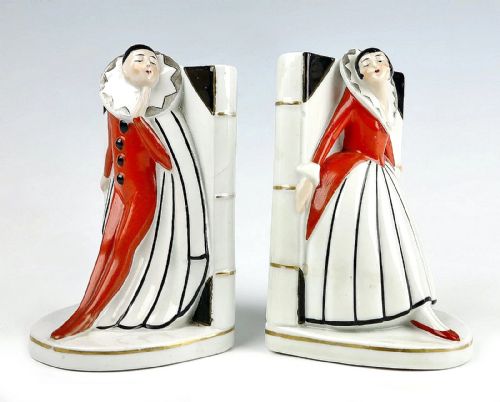
The most common representations on this page lean heavily towards stylish flapper girls, bathing belles, Pierrots, and sleek animals such as cats and deer. Originating from workshops across England, Germany, France, and Austria, these figures combine popular culture of the period with high levels of ceramic artistry.
How They Were Made
Potters and modellers utilised porcelain, bone china, and standard ceramic bodies, shaping them via moulds before applying detailed hand-painting and enamel decoration. Many examples incorporate specialised glazes to achieve a high-gloss finish, while others employ subtle gold leaf or gilded highlights to emphasise geometric Deco contours.
Makers also integrated mixed media where appropriate, evident in French pieces that paired ceramic bodies with applied glass eyes or metal elements. Bisque porcelain featured frequently for unglazed matte textures, contrasting with the vibrant glossy pigments seen on powder bowl lids and figural bookends.
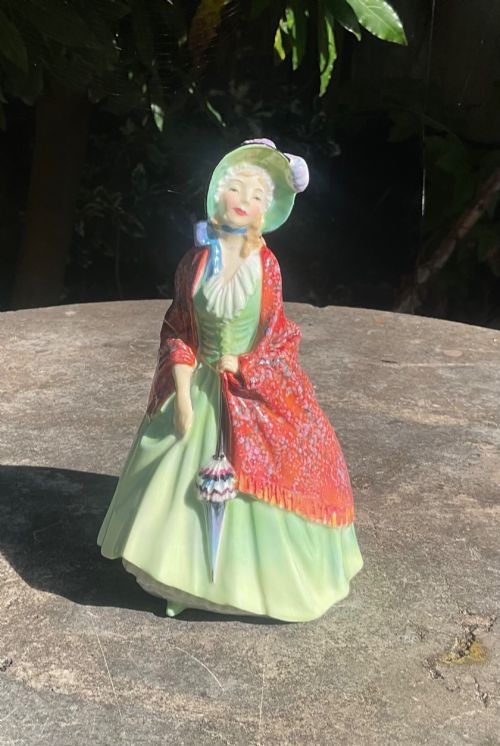
Several ladies from this era sport exceptionally glossy green dresses and mischievous glass eyes that seem to follow you across the room.
What Varies In Quality
The standard of modelling and facial expression distinguishes the superior examples from standard production pieces, particularly in the hand-painted details of the eyes and lips. Crispness in the moulding of garments, hair, and accessories dictates the overall definition of the form.
Application of enamel and glaze consistency further separates the grades, where finer items display precise colour separation without bleed. The presence of specific maker marks, signatures, or known model numbers indicates higher factory standards.
Royal Doulton·Clarice Cliff·Royal Worcester·Fasold And Stauch·Royal Dux·Limoges
The 1930s Ceramic Figurine Glossary
- Bisque
- Unglazed ceramic porcelain that has been fired once, offering a matte, marble-like texture favoured for delicate figural detail.
- Flapper girl
- A cultural archetype of the 1920s and 1930s depicting independent young women, frequently adapted for half-doll powder boxes and hatpin holders.
- Bonbonniere
- A small decorative jar or box originally intended for sweets, commonly adapted in this era as a ceramic powder bowl with a figural lid.
- Half doll
- A ceramic torso without legs, manufactured extensively in Germany and Austria to serve as the upper portion of boudoir lamps, tea cosies, or powder brushes.
1930s Ceramic Figurine: Frequently Asked Questions
What is a half doll used for?
Ceramic half dolls served primarily as decorative tops for boudoir accessories like powder boxes, perfume burners, and whisk brooms. They allowed makers to combine practical vanity items with fashionable sculptural figures.
Collectors often find them mounted on fabric skirts or porcelain powder bowls. They remain quintessential examples of interwar dressing table decoration.
How do I identify Art Deco style?
Art Deco pieces display clean geometric lines, stylised human forms, and symmetrical motifs inspired by machinery and modernism. The figures often feature sleek hair, dramatic hats, and dynamic postures.
This aesthetic contrasts sharply with the ornate curves of earlier Victorian and Edwardian design. It embraces the speed and sleekness of the interwar decades.
Are these figures marked by makers?
Many pieces carry factory stamps, impressed numbers, or painted signatures on the base or interior rim. These marks identify the pottery, the manufacturing country, and occasionally the individual modeller.
Unmarked items still find attribution through stylistic traits, specific glaze formulas, and known mould designs. Reference books help match registry numbers to precise production years.
How should I display porcelain figures?
Porcelain and ceramic figures require stable shelving away from direct sunlight to protect the enamel colours and gold leaf highlights. Display cabinets with glass doors shield delicate extremities and painted surfaces from dust and accidental impacts.
Positioning them at eye level allows the fine details of the facial expressions and moulding to be appreciated fully. Proper spacing lets each sculptural form stand out clearly.