

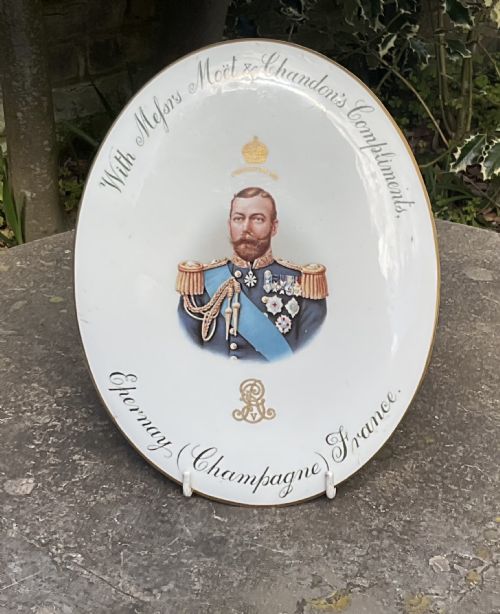


Vintage Ceramic Wall Plaque
These vintage ceramic wall plaque pieces bring hand-painted artistry and depth to interior spaces, offering timeless appeal for collectors.
Vintage Ceramic Wall Plaque
A vintage ceramic wall plaque combines traditional pottery forms with decorative wall display, drawing from styles like Art Deco, Japanese Imari, and Victorian revivalism. Collectors searching for a vintage ceramic wall plaque encounter varied expressions ranging from transfer-printed tiles to finely hand-painted porcelain panels.
The selections span European factories and Asian workshops, featuring items mounted in or framed for hanging. Examples include chargers, tiles, and sculptural wall masques created across the nineteenth and early twentieth centuries.
How they were made
Makers utilised earthenware, porcelain, and pottery bases, applying detailed glaze layers and occasional gold leaf accents before kiln firing. Hand-painting techniques defined works by prominent studios and individual artists.
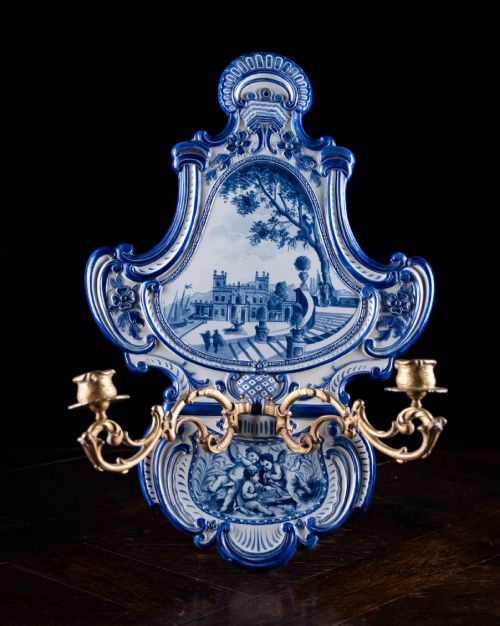
Mounting often involved ormolu frames, wooden surrounds, or fitted metal brackets to support heavier ceramic and glass elements securely on walls.
Design styles represented include Japanese Imari, Art Deco, Rococo Revival, and Victorian aesthetics across diverse regional workshops.
What varies in quality
Quality rests upon the fineness of the hand-painting and the clarity of the underlying glaze. Works bearing identifiable artist signatures or originating from established potteries distinguish themselves from standard production pieces.
The complexity of the moulding and the preservation of original mounts, such as ormolu frames or wood surrounds, further elevate the standing of individual plaques.
Villeroy and Boch·Mintons·Gmundner·Royal Worcester·Longwy·Royal Vienna·Richard Ginori
The Vintage Ceramic Wall Plaque Glossary
- Charger
- A large decorative plate intended for display rather than table service. These pieces frequently feature intricate hand-painted central motifs.
- Maiolica
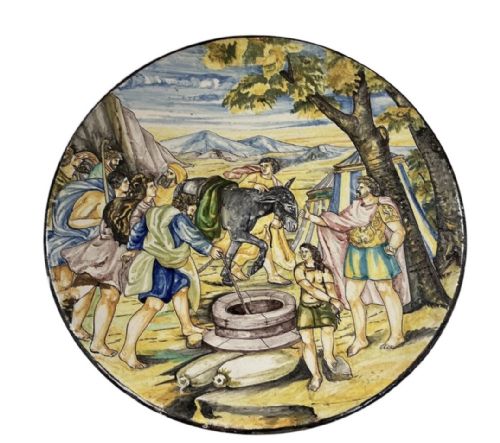
- Tin-glazed earthenware produced in Italy and other Mediterranean regions. It is known for vibrant colours and opaque white surfaces.
- Ormolu
- Gilded bronze mounts applied to furniture, porcelain, and wall sconces. This technique adds ornamental structure and decorative contrast.
- Imari
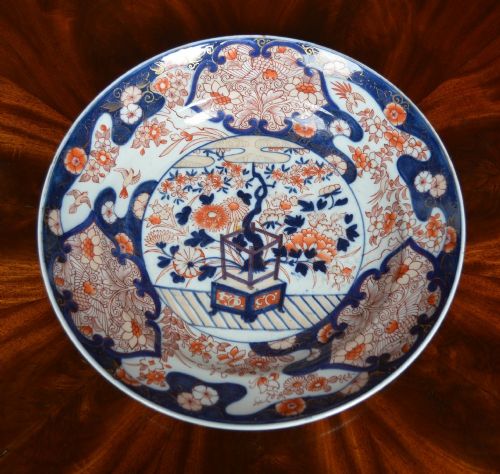
- Japanese export porcelain decorated in underglaze blue and contrasting iron red and gold. The style influenced European ceramic design significantly.
- Faience
- European tin-glazed earthenware developed in France and other regions. It often displays narrative scenes or botanical patterns.
Vintage Ceramic Wall Plaque: Frequently Asked Questions
How do I hang a heavy ceramic plaque safely?
Utilise appropriate wall anchors matched to the weight of the ceramic and its surrounding frame. Ensure any integrated wire or bracket is secure before mounting.
Inspect the back of the piece to confirm whether original mounting hardware remains intact. Professional framing or custom brackets provide additional security for heavier chargers and porcelain panels.
Are these plaques meant for indoor display only?
Display these glazed ceramics primarily indoors away from extreme temperature fluctuations and direct moisture. Earthenware and faience bodies can absorb moisture if exposed to outdoor elements.
Protect delicate hand-painted surfaces and gold leaf details from prolonged direct sunlight. Controlled interior environments preserve the integrity of both the ceramic body and any wooden or metal mounts.
How can I tell the period of a ceramic plaque?
Examine the reverse side for factory stamps, impressed marks, and painter signatures that correspond to known operational dates. Stylistic cues such as Art Deco geometric lines or Victorian revival motifs also help establish chronology.
Consider the manufacturing technique and glazing style alongside any framing materials. Earlier nineteenth-century pieces often display different paste compositions compared to later twentieth-century studio works.
What is the difference between a tile and a plaque?
Tiles are typically flat, square modular elements produced for architectural installation or standalone framing. Plaques are conceived specifically as independent artworks for wall display.
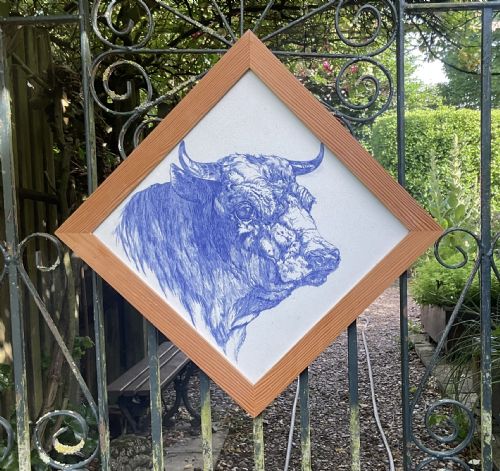
Many plaques incorporate sculptural elements, raised borders, or dedicated hanging mounts from initial production. Tiles found in frames often originated as functional architectural components before conversion.