


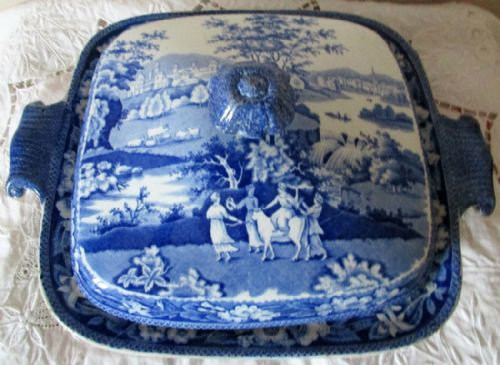


Staffordshire Transferware Dish
When you search for a staffordshire transferware dish, you enter a world of blue and white earthenware shaped by nineteenth-century kilns.
Staffordshire Transferware Dish
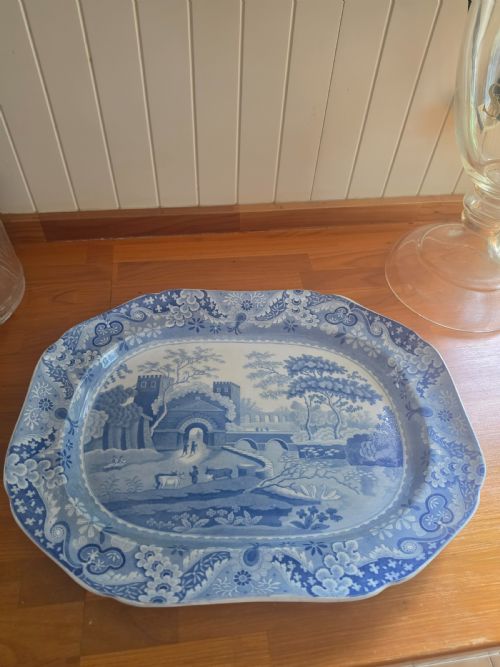
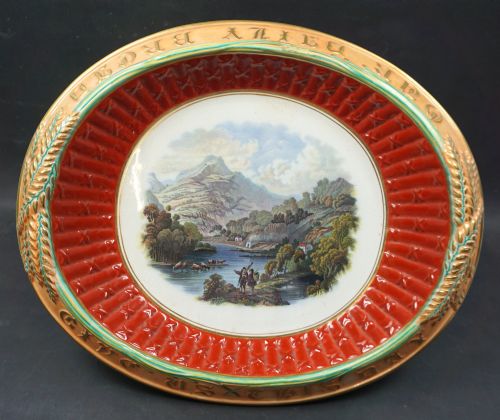
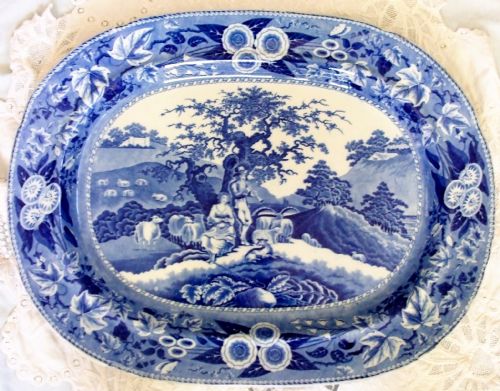
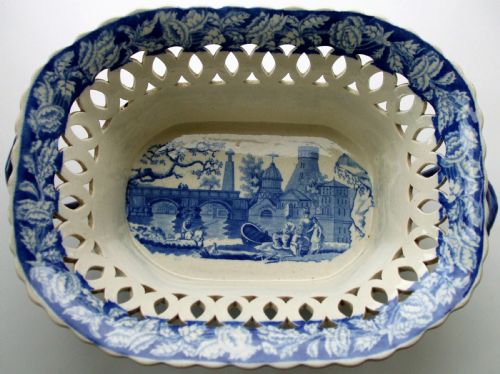
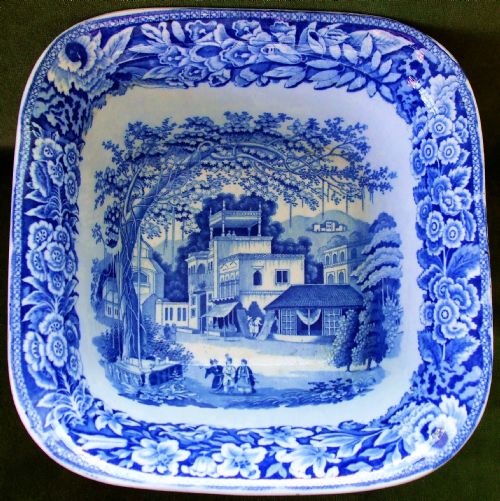
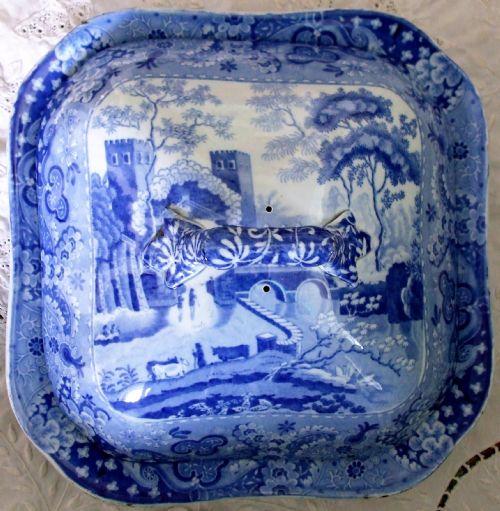
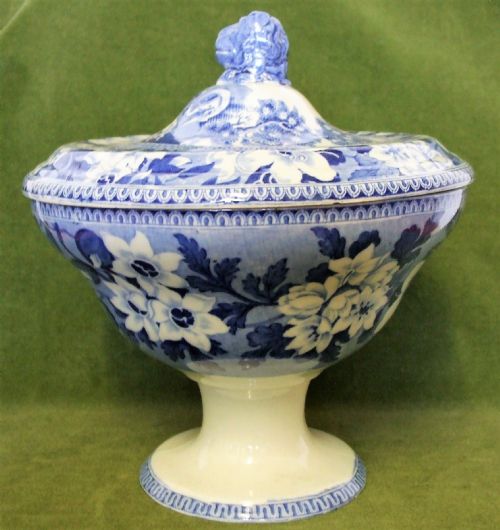
A staffordshire transferware dish encompasses serving platters, decorative plates, tureens, and chestnut baskets created during the Georgian and Victorian periods. These pieces bring functional ceramic forms decorated with printed topographical, animal, and architectural scenes into domestic spaces.
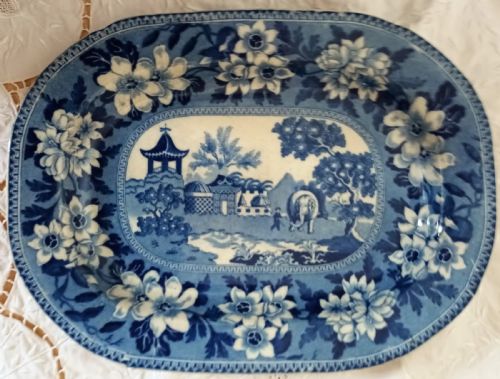
You are most likely to meet large meat plates, vegetabletureens, and decorative platters executed in blue and white or mulberry transfer printing. Many bear specific named patterns such as Elephant, Castle, and India Temple from regional Staffordshire potteries.
The domestic forms range from deep serving dishes with gravy wells to decorative bowls and comports. They reflect the nineteenth-century appetite for printed imagery on earthenware and pearlware surfaces.
How They Were Made
Potters formed these items from earthenware and pearlware bodies, shaping them into platters, plates, and covered tureens. The raw clay was fired before receiving its decoration.
Makers applied cobalt pigment and cobalt glaze to the ceramic surface using engraved copper plates and tissue paper transfers. This mechanical printing method allowed intricate patterns like Chinese Garden and River Scene with Fort to be repeated across multiple vessels before a final glossy glaze firing.
The inventory spans the nineteenth century, moving from Georgian pearlware comports to Victorian meat platters and tureens.
What Varies in Quality
The clarity and registration of the transfer print separate standard wares from finer examples. Sharp lines in complex designs such as architectural scenes or animal patterns indicate precise copperplate engraving and careful application.
The purity of the earthenware or pearlware body and the evenness of the glaze affect the visual depth of the blue pigment. Superior pieces maintain a smooth, consistent surface without distracting kiln marks or blurring in the printed motifs.
Spode·J. & R. Clews·John Rogers and Son·John and Richard Riley·John Ridgway·Stubbs·William Adams·Brameld and Co·John Davenport
The Staffordshire Transferware Dish Glossary
- Transferware
- Earthenware or pottery decorated by printing a design from an engraved copper plate onto tissue paper, which was then transferred onto the unglazed or bisque ceramic body.
- Pearlware
- A refined form of earthenware developed in the late eighteenth century featuring a subtle bluish glaze that pooled in recesses to mimic Chinese porcelain.
- Tureen
- A deep covered serving vessel used for soups, vegetables, or sauces, frequently accompanied by a matching base or platter.
- Comport
- A raised decorative dish or bowl used on dining tables for serving fruit or sweetmeats during the Georgian and Victorian eras.
- Gravy Well
- A recessed channel or reservoir built into the surface of a meat platter to catch juices during carving.
Staffordshire Transferware Dish: Frequently Asked Questions
How do I date a transferware dish?
Dating relies on ceramic bodies, pottery marks, and stylistic clues. Earlier pieces from around 1800 often use pearlware bodies with a bluish tint, while later Victorian examples utilise denser earthenware.
Makers' marks stamped or printed on the underside provide specific attribution. Pattern names and registry numbers also narrow down the exact decade of manufacture.
Can I use these dishes for serving food?
While these nineteenth-century earthenware pieces were originally made for domestic dining, modern usage requires caution. Historic ceramic glazes may contain lead, and thermal shock can crack old earthenware.
Many collectors choose to display large platters and tureens on walls or dresser shelves rather than exposing them to daily culinary use and dishwasher heat.
What is the difference between pearlware and earthenware?
Pearlware is a refined, lighter-bodied earthenware developed by Staffordshire potters to bridge the gap between heavy creamware and expensive Chinese porcelain. It contains a small amount of cobalt in the glaze to create a pale bluish hue.
Standard nineteenth-century earthenware used for meat plates and platters typically displays a whiter or warmer buff ceramic body under a clear glaze.
How are different transferware patterns identified?
Patterns are identified by the central pictorial subject, such as architectural ruins, pastoral landscapes, or exotic scenes like the Elephant design. Many potteries also printed titles directly onto the reverse of the dish.
Collector reference guides catalogue these named series, matching visual motifs to specific manufacturers active during the Georgian and Victorian periods.