





Vintage Ceramic Plaque
A vintage ceramic plaque brings painterly detail and rich glaze to plain walls, offering a distinct focal point for collectors.
Vintage Ceramic Plaque
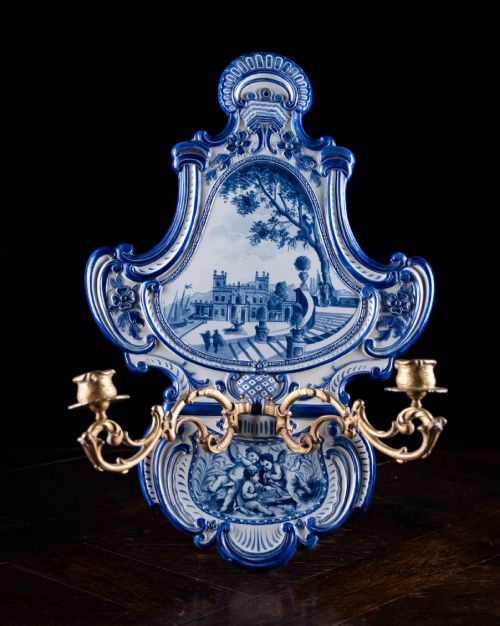
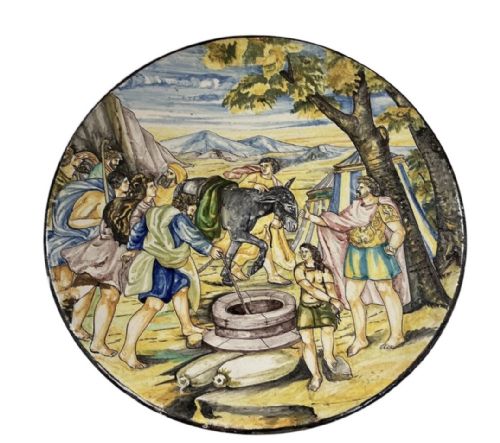
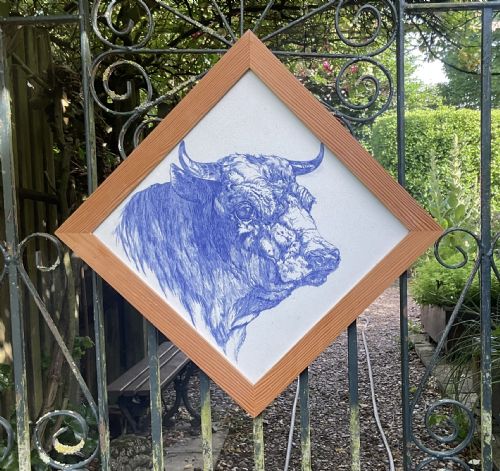
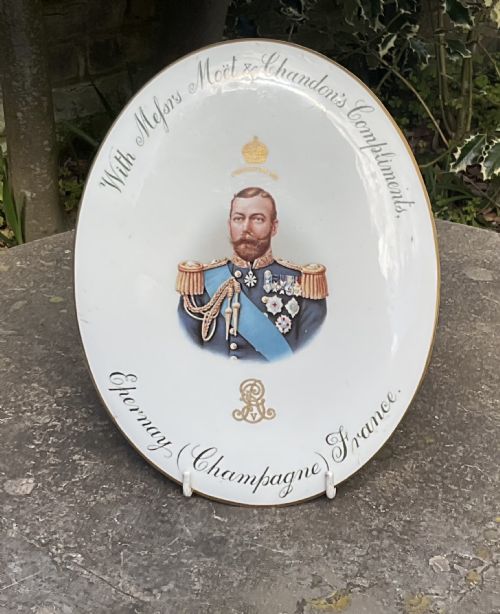
A vintage ceramic plaque gathers wall art, decorative plates, chargers, and architectural tiles into one diverse grouping. When looking for a vintage ceramic plaque, buyers encounter everything from 19th-century wine bin labels and individual decorative tiles to hand-painted cabinet plates and framed portrait medallions.
The materials and origins span British potteries, French faience, Austrian wall masques, and Japanese Imari wares. Pieces originate across the Victorian, Edwardian, and Art Deco eras, presenting diverse forms intended for interior display.
How they were made
Potters shaped porcelain, earthenware, and ceramic bodies before applying detailed hand-painted glazes, enamel colours, and occasional gold leaf accents. Many items underwent high-temperature kiln firings to set pigments permanently beneath protective transparent glazes.
Makers integrated structural elements such as wood frames, or combined ceramics with ormolu mounts and mirror backs. Individual tiles and plaques often featured relief moulding, incised details, or transfer-printed scenes touched up by hand.
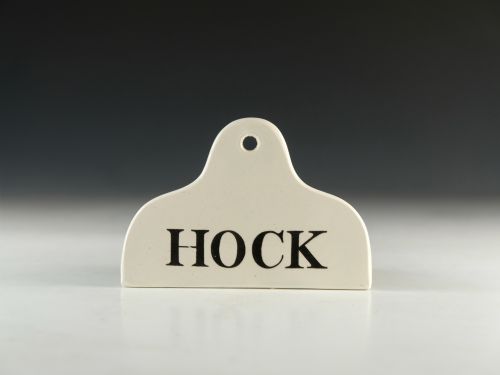
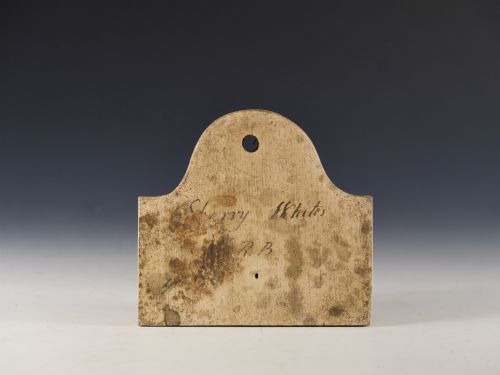
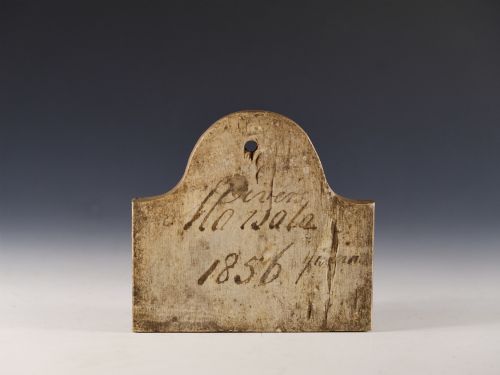
Cellar keepers once relied on small ceramic plaques labelled hock and marsala to keep thirsty scholars from grabbing the wrong bottle.
What varies in quality
The calibre of a piece rests primarily on the skill of the painter and the clarity of the ceramic body. Hand-painted works signed by established artists demonstrate superior brushwork and compositional depth compared to standard transfer-printed items.
The preservation of the glaze and the crispness of any relief moulding define the upper tier. Original mountings, matched pairs, and documented factory backs further elevate a piece.
Villeroy and Boch·Mintons·Minton Hollins·Royal Worcester·Royal Vienna·Sherwin and Cotton·Richard Ginori
The Vintage Ceramic Plaque Glossary
- Charger
- A large decorative plate traditionally used for display rather than dining. These pieces often feature elaborate painted scenes or intricate Japanese Imari patterns.
- Bin label
- A small ceramic plaque used in wine cellars to identify specific vintages and bin contents. Examples include markings for hock, sherry, and marsala from the mid 19th century.
- Maiolica
- Tin-glazed earthenware produced in Italy and other European regions. This technique supports vibrant polychrome painting directly onto an opaque white glaze.
- Cabinet plate
- A fine porcelain plate intended for display in a cabinet or on a wall rather than everyday service. These items frequently display detailed portraits or pastoral landscapes.
- Faience
- European tin-glazed pottery with a porous earthenware body. French examples often depict narrative scenes or historical subjects.
Vintage Ceramic Plaque: Frequently Asked Questions
How do I hang a heavy ceramic plaque safely?
Heavy ceramic plaques and chargers require robust wall fixings anchored directly into studwork or masonry rather than standard plasterboard plugs. Utilise purpose-built wire hangers or custom brackets that support the entire base weight securely.
Ensure the hanging wire or integrated loop on the back is structurally sound before mounting. Keep pieces away from high-traffic zones where accidental knocks might dislodge them.
Are these plaques meant for indoor display only?
Most antique and vintage ceramic pieces suit interior environments exclusively, as fluctuating temperatures and frost can damage historic earthenware bodies and glazes. Architectural tiles designed for commercial interiors offer greater resilience, but decorative plaques remain best preserved indoors.
Display them away from direct sunlight to prevent fading in delicate hand-painted enamel colours and gold leaf details.
How can I tell the period of a ceramic plaque?
Examine the back of the plaque for maker marks, impressed stamps, registration numbers, or artist signatures. Stylistic clues such as Rococo Revival scrolls, Victorian floral motifs, or geometric Art Deco lines help narrow down the date of manufacture.
The weight and composition of the ceramic body also offer clues, as 19th-century ironstone and porcelain differ noticeably from later earthenware productions.