


Vintage Terracotta Artwork
Vintage terracotta artwork brings together sculptural pottery and painted depictions of clay pots, offering tactile warmth and historical character to a room.
Vintage Terracotta Artwork
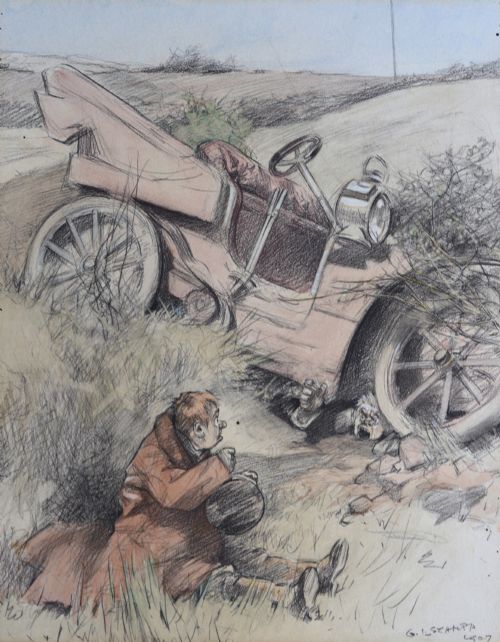
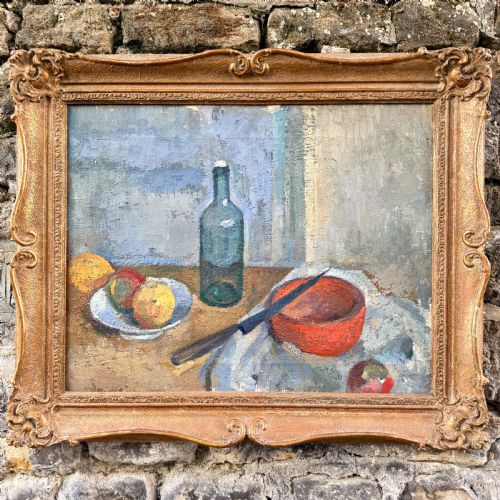
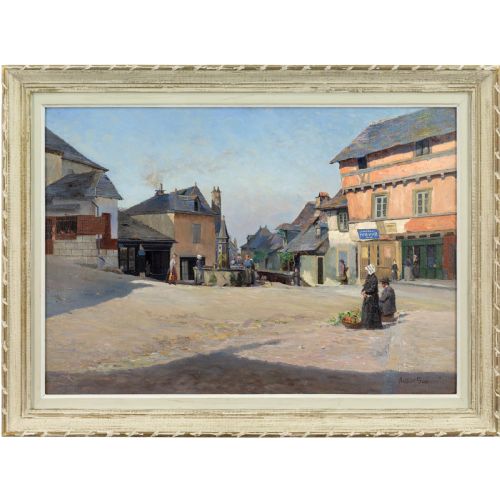
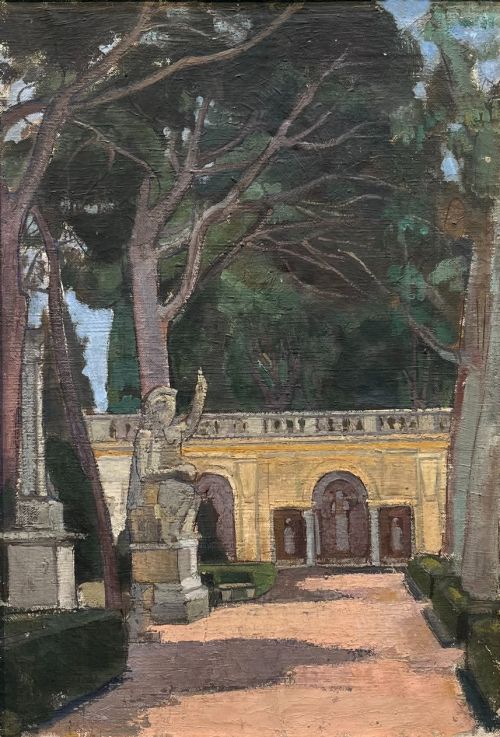
When searching for vintage terracotta artwork, collectors encounter sculptural busts and statues alongside painted studies featuring pots and landscapes from the nineteenth and twentieth centuries. The selection spans Edwardian watercolours, Art Deco sculptures, and mid-century oil paintings executed on canvas, paper, and wood.
The objects appearing here range from intimate portrait drawings and landscape watercolours to substantial oil paintings and moulded terracotta pieces. These works represent various European traditions, including British and French impressionism, capturing subjects from domestic still lifes to Mediterranean scenes.
Materials and methods
Painters utilise oil paint, watercolour, ink, and pastel on surfaces such as canvas, paper, and glass to create these works. Sculptors shape fired clay or terracotta into busts and decorative objects, sometimes employing impasto techniques to build physical texture on the canvas.
Compositions rely on draughtsmanship using pencil, sanguine, or crayon alongside fluid washes and heavy impasto applications. These varied techniques allow artists to render both the smooth surfaces of painted pottery and the rich, earthen tones of sculptural pieces.
Artists working across Britain and France created these pieces, utilising oil, watercolour, ink, and pastel on various grounds.
Distinctions in quality
Quality rests upon the strength of the draughtsmanship and the artist's ability to handle tone and colour within the chosen medium. Sculpted terracotta pieces demonstrate refinement through crisp moulding and surface finish, while paintings show skill in brushwork, composition, and the handling of light.
Condition and preservation of the original surface material also separate standard examples from finer pieces. Works retaining their untouched patination, clear signatures, and stable grounds command greater interest among serious collectors.
George Lorain Stampa·Arthur Gué·Alfred George Morgan·Samuel Timmins·Herbert Royle·Fred Lawson·Arthur Tucker·Demetrios Galanis·Fred Waugh·Gilbert Privat·Claude Jousset·Raoul Millais·James Clark·Armand Guillaumin·Abraham Hulk Junior·William Hatherell·Fred Mayor·John Sanderson Wells·David Law
The Vintage Terracotta Artwork Glossary
- Terracotta
- A porous, fired clay ranging in colour from orange to brown, used for both sculpture and pottery. The material provides a matte, earthy texture.
- Impasto
- Paint applied in thick layers that stand out from the surface, creating a distinct three-dimensional texture. This technique is often seen in mid-century oil paintings.
- Sanguine
- A red chalk used for drawing, producing warm, earthy reddish-brown tones. It appears frequently in portrait and figure studies from the nineteenth century.
- Watercolour
- A paint consisting of pigment suspended in a water-based solution, typically applied to paper. It allows for translucent washes and delicate botanical or landscape details.
- Impressionism
- An art movement characterised by relatively small, thin, yet visible brush strokes and an open composition. Works in this style focus on accurate depiction of light and its changing qualities.
Vintage Terracotta Artwork: Frequently Asked Questions
What is terracotta artwork?
Terracotta artwork encompasses fired clay sculptures, such as busts and figures, alongside paintings that depict pottery and earthenware vessels. These pieces date across the nineteenth and twentieth centuries.
Collectors prize them for their natural, earthy tones and the tactile quality that fired earth brings to an interior space.
How do I care for terracotta sculptures?
Terracotta is a porous material that benefits from gentle dusting with a soft, dry brush to prevent dirt accumulation. Avoid using water or liquid cleaners, which can penetrate and damage the unglazed surface.
Keep the pieces away from areas prone to high humidity and sudden temperature fluctuations to preserve the structural integrity of the fired clay.
How do I identify the period of a painting?
Dating a painting involves examining the framing materials, the type of canvas or paper, and the pigment composition used by the artist. Signatures, exhibition labels, and stylistic markers such as Impressionist or Art Deco influences also provide clues.
Comparing the brushwork and subject matter to documented works by contemporary artists helps narrow down the decade of creation.
Where should I hang these artworks?
These paintings and drawings suit spaces with stable lighting and moderate temperatures, away from direct sunlight that can fade watercolours and inks. Placing them at eye level in living rooms or studies allows for close appreciation of the brushwork.
Ensure sculptural terracotta pieces rest on sturdy, level surfaces where they remain secure from accidental knocks.