




19th Century Plaster Bust
A 19th century plaster bust brings the quiet gravity of classical antiquity and portraiture directly into a room.
19th Century Plaster Bust
A 19th century plaster bust captures historical figures, classical deities, and literary icons in moulded form. These pieces translate marble originals and life studies into accessible sculptural works for the home.
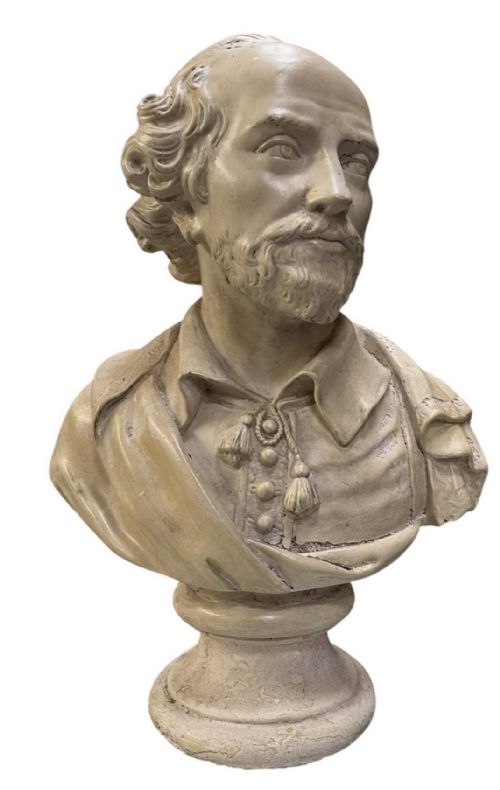
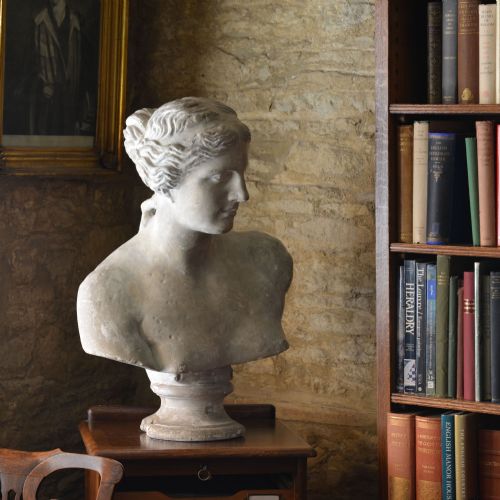
The selection ranges from classical subjects like Venus de Milo, Homer, and various Caesars to medieval gentlemen, naval officers, and local portraits. These sculptures appear as library busts, wall sculptures, and cabinet studies.
Originating across Britain, France, Italy, Austria, and Spain, these works reflect the eclectic taste of the period. Neoclassical, Renaissance Revival, and Gothic Revival styles dominate the forms available.
Materials and construction
Makers utilised gypsum plaster poured into moulds, often building up surfaces with pigment, paint, and verdigris patina to simulate stone, terracotta, or aged marble. Some variants incorporate alabaster, stone, or glazed finishes.
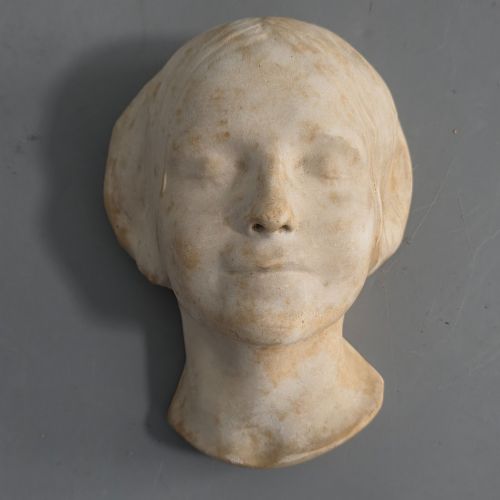
Artists and workshops relied on skilful casting from classical models or life masks, such as the famous L'Inconnue de la Seine. Finishing involved hand-smoothing, tinting, and sealing the plaster surface to achieve the desired tone.
19th Century Plaster Bust Retail Price Guide 2026
Typical asking prices for 19th century plaster bust among the pieces listed under this phrase on Sellingantiques today, from the lower quarter to the upper quarter. They describe what is for sale here now, not the wider market.
Object forms span standard busts, wall sculptures, death masks, and animal studies including horses.
Defining quality in nineteenth-century sculpture
The sophistication of the surface finish distinguishes superior works, whether through nuanced patination, simulated stone effects, or original polychrome pigment. Structural integrity in the core and mounting also marks the distinction.
Raffaelo Monti·Antonio Rossellino·Vago
The 19th Century Plaster Bust Glossary
- Plaster
- A building and casting material made from gypsum, valued for its ability to capture fine detail in moulds. It forms the primary medium for these portrait sculptures.
- Patina
- The surface ageing, colouring, or applied finish that gives plaster the appearance of bronze, stone, or centuries of exposure. Makers used paint and verdigris to achieve this effect.
- Library bust
- A sculptural form intended for display on bookshelves or study desks, typically smaller in scale. These pieces frequently depicted literary figures, philosophers, and classical rulers.
- Life mask
- A cast taken directly from the face of a living person, providing exact anatomical proportions. These formed the basis for numerous historical and artistic portrait studies.
19th Century Plaster Bust: Frequently Asked Questions
How do I clean a plaster bust?
Dust the surface gently with a soft, dry brush or a feather duster. Avoid using water or liquid cleaners, as moisture damages traditional plaster and removes delicate patination.
For stubborn marks, consult a professional restorer rather than attempting chemical removal at home. Preserving the original surface finish maintains the character and integrity of the piece.
Where should I display these sculptures?
Place them on sturdy surfaces away from direct sunlight, high humidity, and heavy foot traffic. Library shelves, mantelpieces, and dedicated console tables offer ideal stability.
Ensure wall-mounted sculptures are secured to appropriate fixings to support the weight of the plaster. Position them where ambient light highlights the modelling of the face.
How can I tell the period?
Examine the composition of the plaster, the nature of any surface paint or verdigris, and the style of the mounting. Nineteenth-century works often show specific patination and casting techniques typical of that era.
Subject matter, such as classical Caesars or literary figures like Shakespeare, aligns with Victorian and continental revival tastes. Inscriptions, signatures, or backstamps further help confirm the date.
Were these made as art or decor?
Many served an educational and decorative purpose in nineteenth-century homes, schools, and libraries. They allowed collectors to own representations of famous classical sculptures and historical personages.
At the same time, skilled sculptors and reductionists created fine art pieces intended for serious exhibition and academic study. Both utilitarian cast works and artist-signed busts were common.