



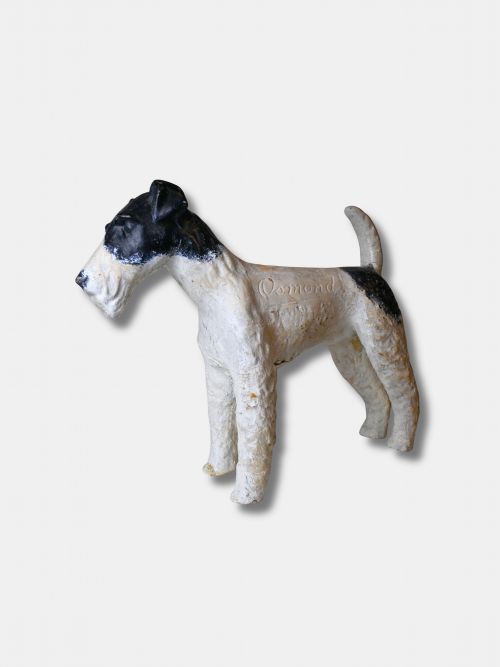


Vintage Plaster Statue
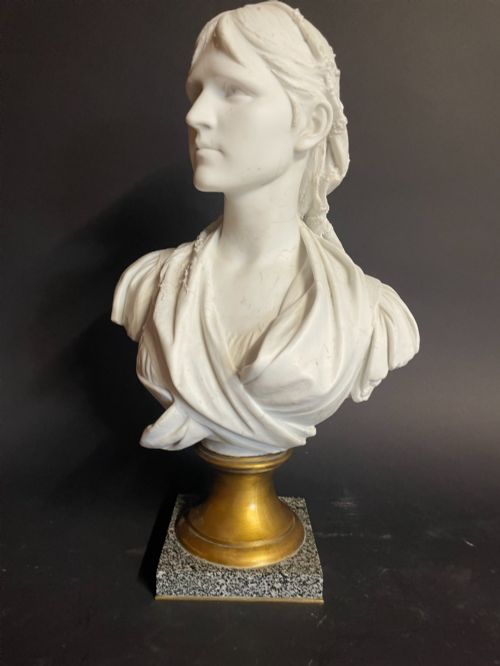
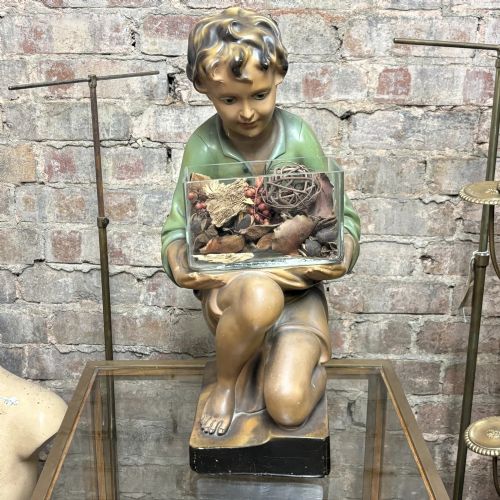
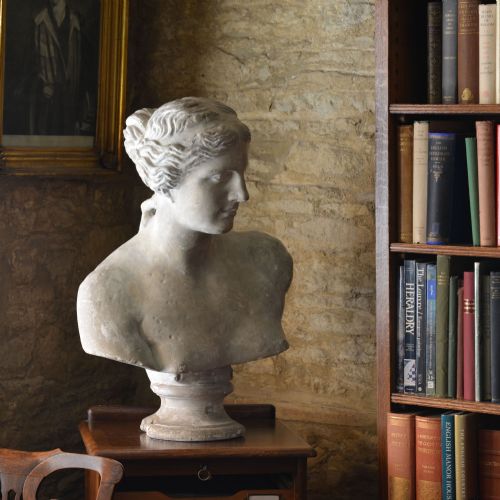
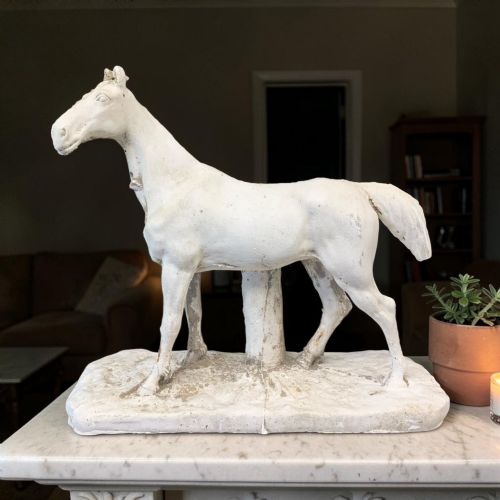
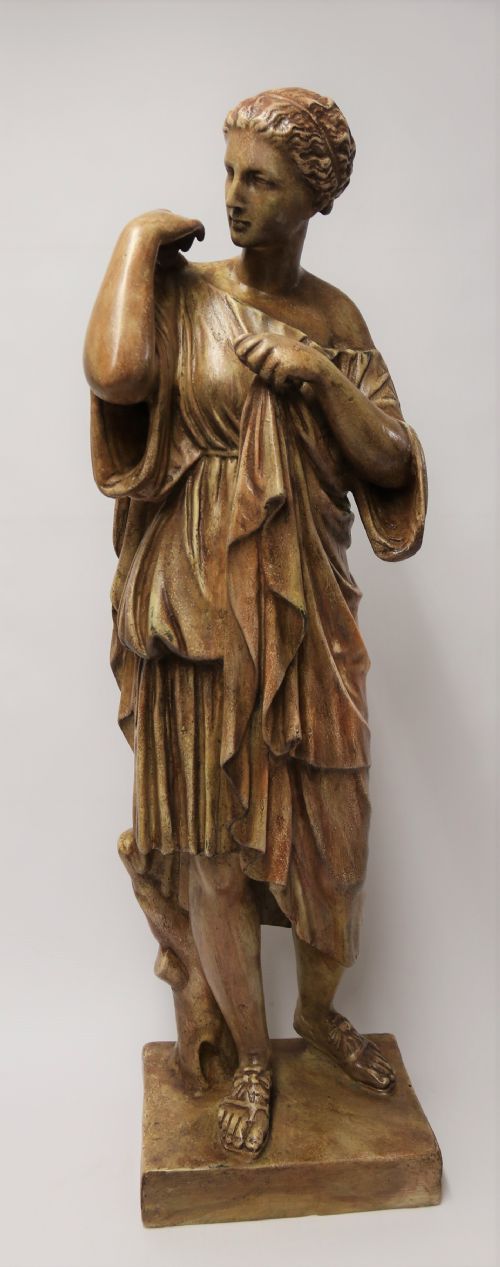
A vintage plaster statue brings the presence of classical form and mid-century character into a room through moulded relief and painted surface.
Vintage Plaster Statue
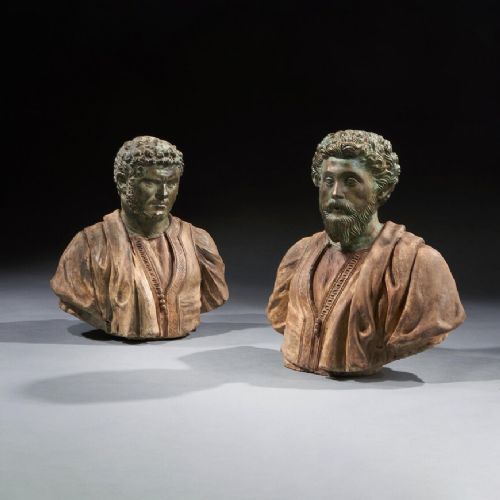
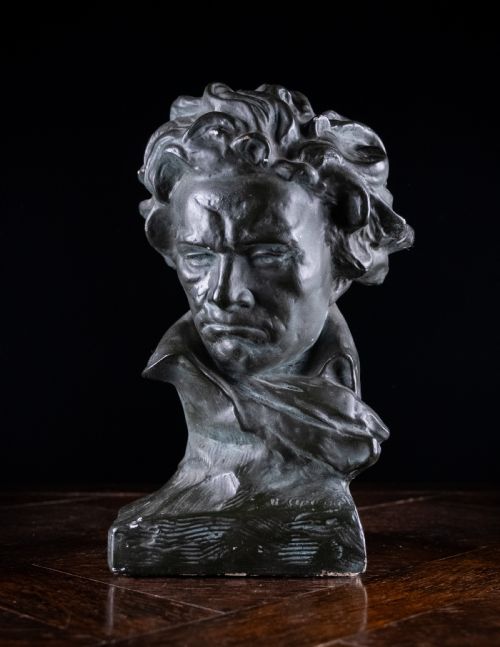
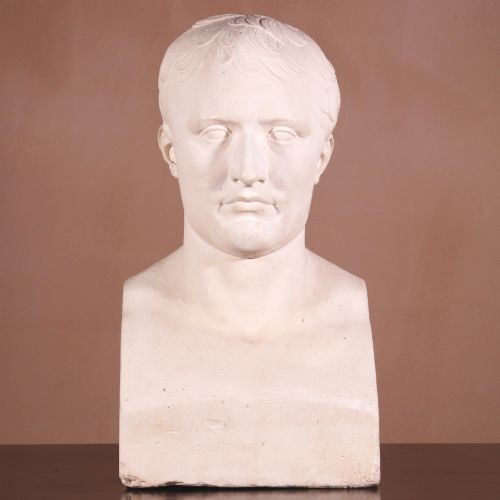
A vintage plaster statue encompasses sculptural busts, animalier figures, advertising displays, and classical representations spanning from the Victorian era through the 1940s. The most common examples on this page are portrait busts of historical figures, mythological subjects, and decorative figures produced in workshops across Europe.
The selection ranges from large ecclesiastical figures and library busts to 1920s commercial mannequins and hand-painted doorstops. Makers and studios across France, Italy, and England utilised durable gypsum compositions to create lifelike scale models for both domestic display and retail interiors.
Surviving works reflect varied stylistic movements including Neoclassical, Victorian, Edwardian, and Art Deco design. Buyers encounter both monumental figures of historical emperors and smaller statuettes of children, animals, and literary characters.
How they were made
Plaster and gypsum form the primary body of these works, frequently reinforced with wood or internal armatures to support larger life-size sculptures and advertising figures. Casts were pulled from original clay or wax models in specialised studios, capturing fine details of drapery and facial expression.
Listings feature periods spanning from the 19th century through the 1940s, utilising plaster, gypsum, paint, and gold leaf.
What varies in quality
Original surface finishes and authentic period paint layers carry more weight among collectors than later repainted restorations. Signed works by documented sculptors and commercial foundries command particular attention for their recorded provenance.
Raffaelo Monti·Joseph Constant·Octave Galliard-Sansonetti·Charmereine
The Vintage Plaster Statue Glossary
- Plaster
- A building and moulding material composed of calcium sulphate hemihydrate, mixed with water and poured into moulds to set. This substance hardens into a solid mass suitable for detailed interior sculpture.
- Gypsum
- The soft sulphate mineral from which plaster of Paris is derived through dehydration. It serves as the fundamental base for casting durable nineteenth and twentieth-century figures.
- Bust
- A sculpted or cast representation of a person from the chest up. These portrait pieces capture historical figures, classical emperors, and private sitters with notable fidelity.
- Animalier
- A nineteenth-century artistic style focusing on the realistic portrayal of animals. Sculptors working in this genre captured creatures ranging from working dogs to exotic wildlife.
- Caryatid
- A sculpted architectural female figure acting as a structural support in place of a column or pier. Pairs of these figures appear in architectural ornaments and decorative mountings.
Vintage Plaster Statue: Frequently Asked Questions
How do I clean a plaster statue?
Dust the surface gently with a soft, dry brush or a feather duster to remove accumulated particles without disturbing the finish.
Avoid using water or liquid cleaners, as moisture penetrates porous plaster and damages fragile painted or gilded surfaces.
Were these statues meant for outdoor use?
These pieces were designed strictly for interior display in libraries, drawing rooms, studios, and retail shop windows.
Exposure to moisture, frost, and direct weather causes exterior plaster and gypsum compositions to soften and disintegrate rapidly.
How can I identify the period of a bust?
Examine the style of the base, the subject matter, and any handwritten inscriptions or foundry marks stamped into the plaster.
Neoclassical and Victorian examples typically feature classical patination, while 1920s and 1930s pieces often display distinct Art Deco geometric bases or commercial advertising traits.
Why are some figures painted?
Makers applied paint, metallic leaf, and tinted patinas to mimic more costly materials like bronze, terracotta, and carved marble.
Commercial display figures and advertising pieces also utilised bright polychrome finishes to attract attention in shop environments.