




Cream Plaster Statue
A cream plaster statue brings classical weight and sculptural presence to an interior without the heavy cost of carved marble.
Cream Plaster Statue
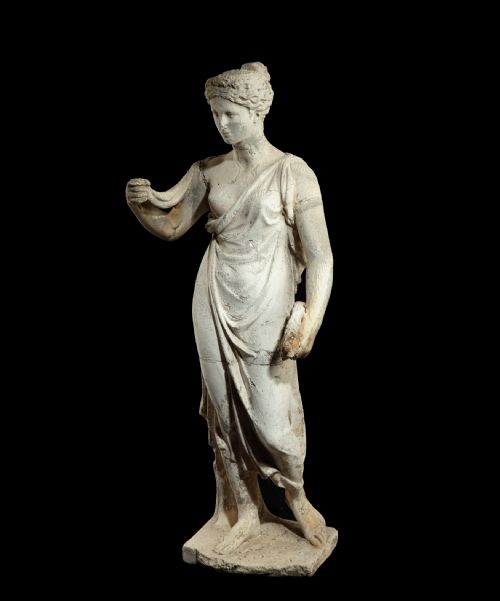
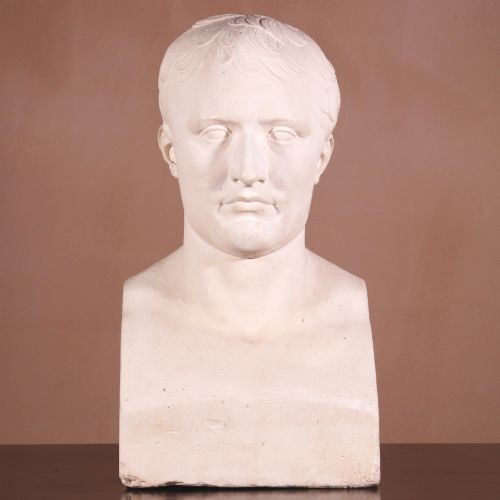
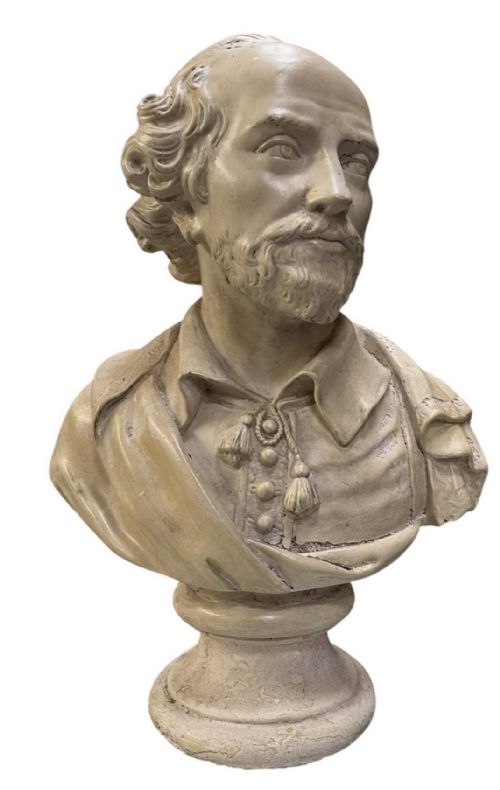
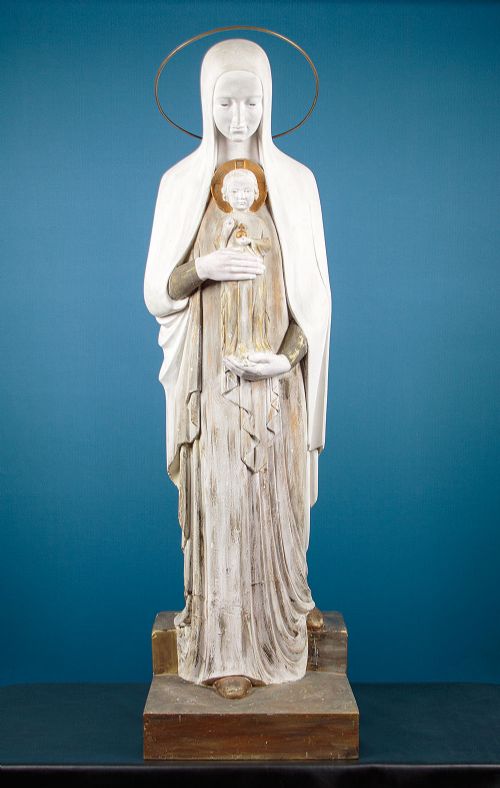
When you search for a cream plaster statue, you encounter a range of sculptural forms spanning the nineteenth century, the Edwardian era, and the twentieth century. These pieces encompass busts of historical figures and literary greats, animalier studies, architectural caryatids, and religious figures.
The versions most commonly met on this page include classical busts such as Homer, Napoleon, and Shakespeare, alongside decorative figures, doorstops, and statuettes. Their origins stretch across English, French, and Italian traditions, utilising historical styles from Regency Neoclassical to Art Deco.
Materials and construction
These works are built primarily from plaster, stucco, and gypsum, often hand modelled or cast from moulds taken of original carvings. Some pieces combine these core materials with wood, metal, and paint, or finish surfaces with gold leaf and applied pigment.
Makers utilise the pliable nature of plaster and terracotta to capture fine facial details, drapery folds, and animal forms. This medium allows workshops to produce durable yet detailed decorative objects and architectural ornaments.
Even faithful hounds need work, as demonstrated by Edwardian plaster cocker spaniels doubling as heavy-duty doorstops.
Assessing sculptural quality
Quality also depends on the integrity of the surface finish and the handling of the patination. Skillful application of paint, gold leaf, or aged plaster tones enhances the depth and visual weight of the sculpture.
Raffaelo Monti·Joseph Constant·B. Rezl
The Cream Plaster Statue Glossary
- Plaster
- A building and sculpting material made from gypsum, water, and other ingredients, poured into moulds or modelled by hand to create figures and architectural ornaments.
- Stucco
- A durable exterior or interior plaster finish applied wet and allowed to harden, frequently utilised for classical figures and architectural decoration.
- Caryatid
- A sculptured female figure serving as an architectural support taking the place of a column or a pillar.
- Animalier
- A nineteenth-century art movement focusing on the faithful representation of animals, particularly horses, dogs, and wild beasts in sculpture.
- Patination
- The natural or artificial ageing of a surface through handling, exposure, or applied pigments that creates a distinct textural finish.
Cream Plaster Statue: Frequently Asked Questions
How should I clean a plaster statue?
Dust the surface gently with a soft dry brush or a feather duster. Avoid using water or liquid cleaning agents, as moisture damages traditional plaster and painted finishes.
Keep the statue away from damp areas and direct heat sources to prevent cracking or discoloration of the material over time.
Are these statues heavy?
Most plaster and stucco sculptures possess a solid weight, particularly larger busts and figures cast with internal reinforcement. Ensure that shelves, brackets, or pedestals can support the load securely.
When positioning a heavy piece, place it on a stable, flat surface away from high-traffic zones where it might get knocked.
Can these figures be displayed outside?
Plaster, stucco, and gypsum pieces are intended primarily for interior display. Exposure to rain, frost, and humidity degrades the material and destroys painted or gilded surfaces.
If you prefer garden statuary, look for pieces carved from durable stone or cast in weather-resistant metals rather than interior plaster.
How do I date a plaster bust?
Examine the style of the base, the historical subject, and the manufacturing technique recorded in the description. Nineteenth-century pieces often reflect Regency or Victorian neoclassical tastes, while Edwardian and 1920s examples show distinct modernist or Art Deco influences.
Inspect the surface for signs of wear, older layers of paint, and the treatment of the underside or back for clues regarding its age.