


Decorative Plaster Head
These decorative plaster head pieces bring classical presence and theatrical character into a room.
Decorative Plaster Head
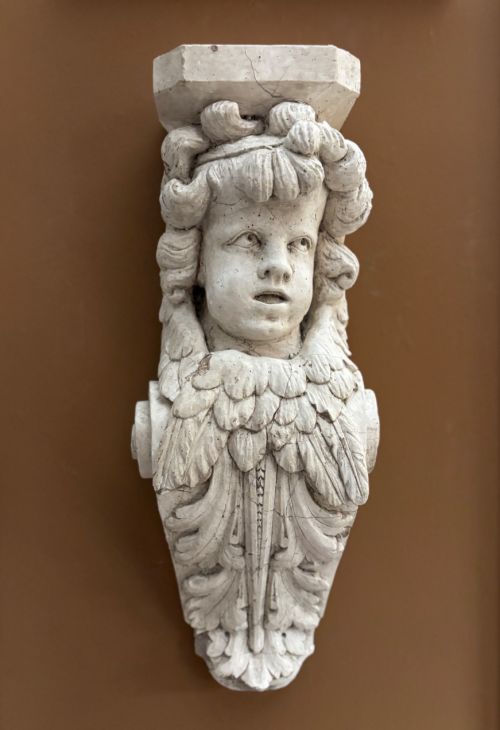
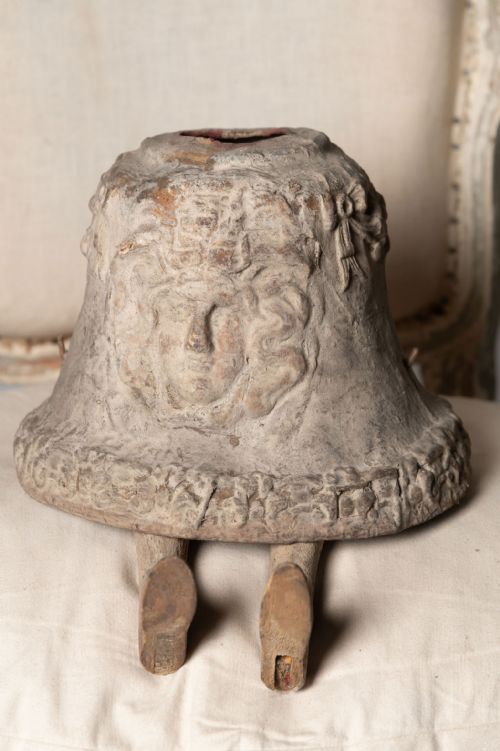
When you search for a decorative plaster head, you encounter sculptural works spanning the nineteenth and twentieth centuries. These pieces encompass busts of historical figures like Homer, classical figures such as David, putto wall corbels, theatrical props, and wall masks.
The selections on this page range from Victorian neoclassical examples and Italian baroque pieces to art deco works and modernist creations. You find representations cast in plaster, composition, gesso, and papier-mache, alongside variations utilising wood, terracotta, and paint.
The forms vary widely from wall plaques and architectural corbels to substantial busts mounted on stands. The pieces serve as striking focal points, drawing on classical revival and neoclassical revival traditions.
How they were made
The manufacture of these sculptures relies on traditional casting methods utilising gypsum and plaster, often reinforced with gesso and papier-mache over underlying supports. Artisans poured the wet medium into moulds to capture the intricate details of hair, expression, and drapery.
Surface finishes applied to the plaster include careful paintwork and gold leaf treatments, transforming plain gypsum into convincing representations of bronze, stone, or gilded metal. Additional elements incorporate wood mounts and terracotta components to complete the physical structure.
Materials recorded across the inventory include plaster, terracotta, composition, gesso, papier-mache, and paint.
What varies in quality
Surface treatment dictates the visual success of the piece, where layered paintwork, patination, and gilding achieve depth rather than a flat, opaque appearance. The integrity of the underlying plaster and the weight of the composition also separate routine workshop output from masterworks.
Bohumil Rezl
The Decorative Plaster Head Glossary
- Plaster
- A building material based on calcium sulphate hemihydrate, mixed with water and allowed to set into a mould. It provides a versatile medium for detailed sculptural casts.
- Gesso
- A plaster mixture consisting of a binder mixed with chalk, gypsum, or pigment. It serves as a smooth preparation layer for painting or gilding on sculpture.
- Composition
- A moulded material made from a mixture of whiting, linseed oil, resin, and glue. It takes fine detail well and appears frequently on historical decorative items.
- Putto
- A figure of a small naked child, commonly found in classical and baroque art. These winged or unwinged infants frequently adorn architectural corbels and wall brackets.
Decorative Plaster Head: Frequently Asked Questions
What periods do these plaster heads come from?
The pieces span from the late nineteenth century through the art deco era of the nineteen-thirties. You encounter Victorian neoclassical examples alongside modernist works.
Dates cluster around the nineteenth century, including specific items from eighteen-eighty and nineteen-hundred, extending up to nineteen-thirty.
How were these decorative heads used originally?
Many served as studio models for artists, educational aids in academies, or theatrical props for stage productions. Others functioned as architectural ornaments like wall corbels and masks.
They brought classical antiquity and theatrical grandeur into domestic interiors and public spaces alike.
Are all these items made of solid plaster?
While plaster is primary, makers also utilised composition, gesso, and papier-mache. Some pieces incorporate wood supports or terracotta elements.
Surface finishes vary from plain painted plaster to gold leaf masks and terracotta variations.
How do I identify a neoclassical plaster bust?
Neoclassical pieces draw heavily on ancient Greek and Roman sculpture, portraying subjects like Homer or David with formal dignity. They often feature classical drapery and restrained facial expressions.
Look for the characteristic white or painted plaster finish mimicking classical marble.