

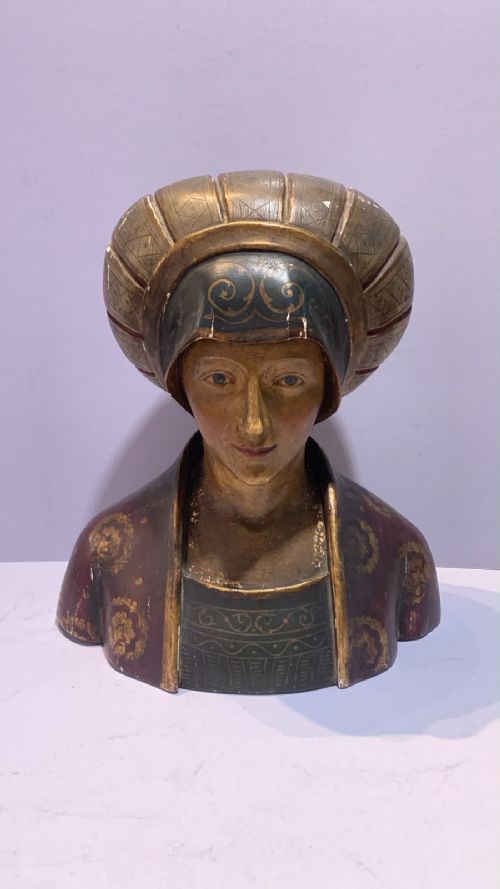
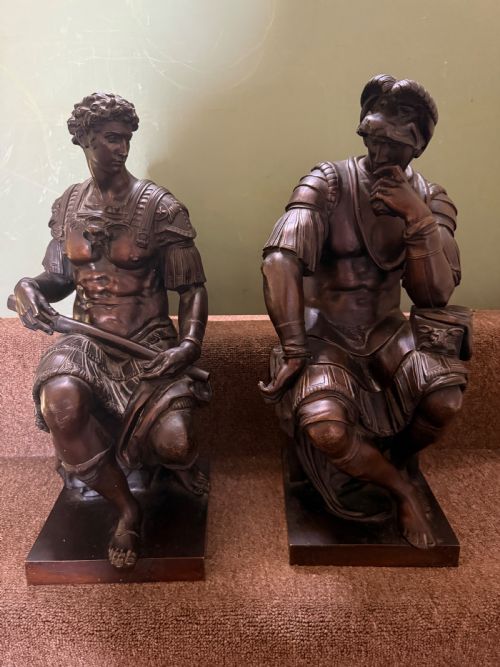
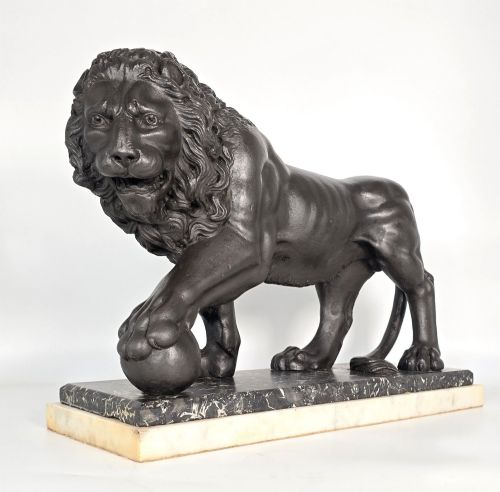
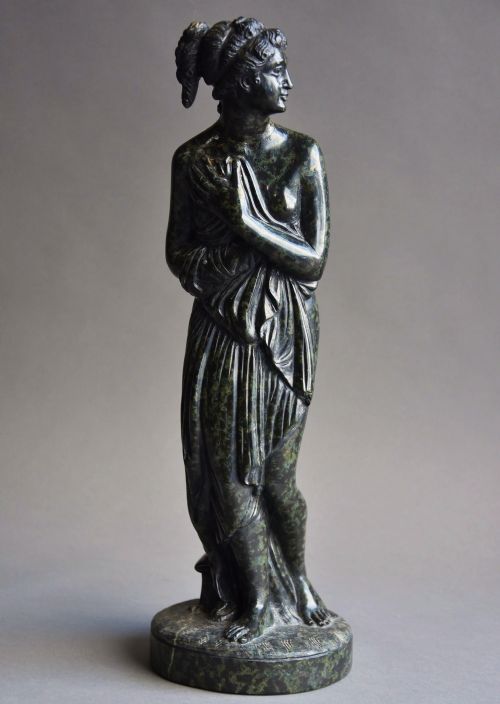
Grand Tour Souvenir Sculpture
These grand tour souvenir sculpture pieces capture classical antiquity through nineteenth-century miniature bronze casts and carved stone monuments brought home by travellers.
Grand Tour Souvenir Sculpture
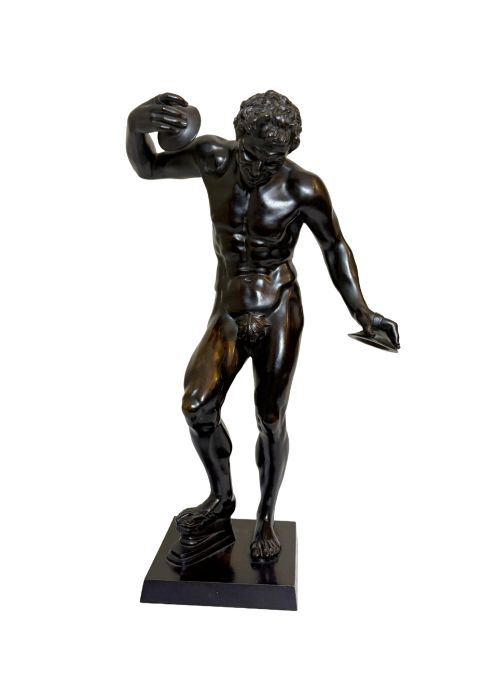
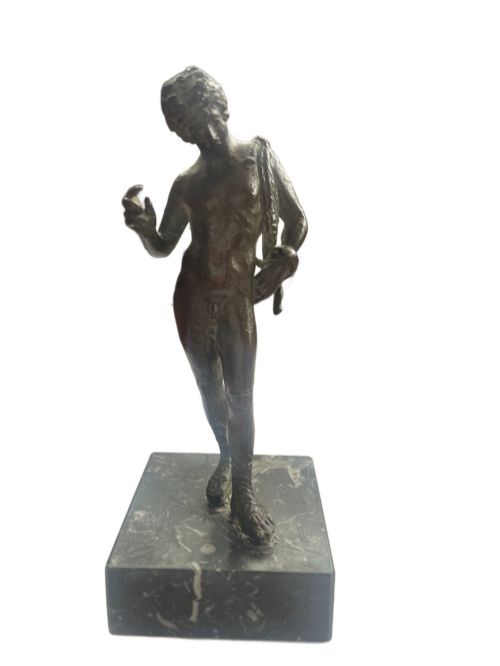
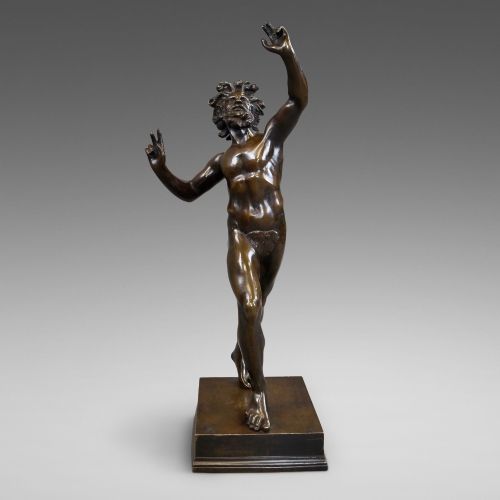
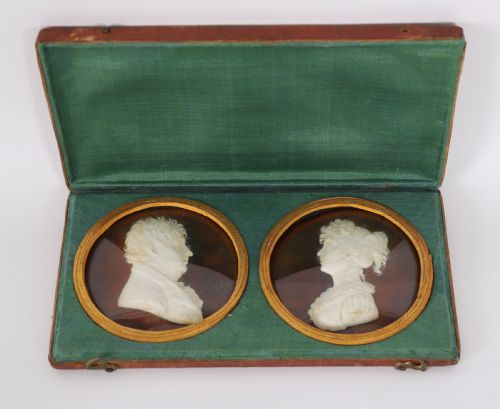
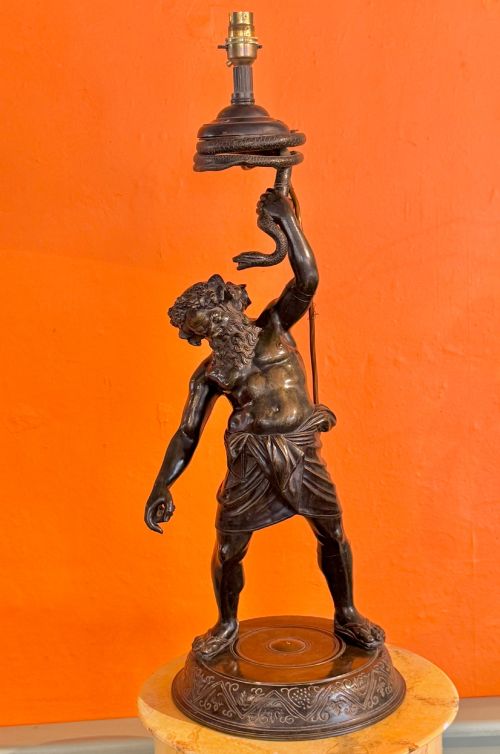
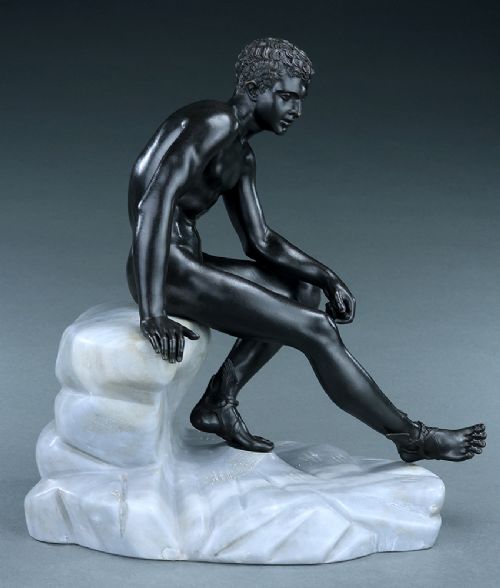
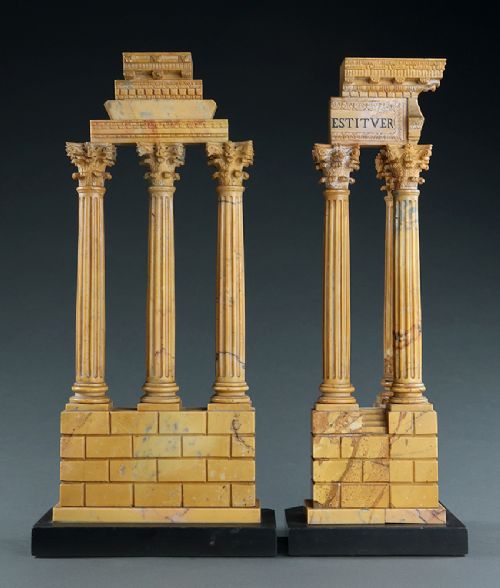
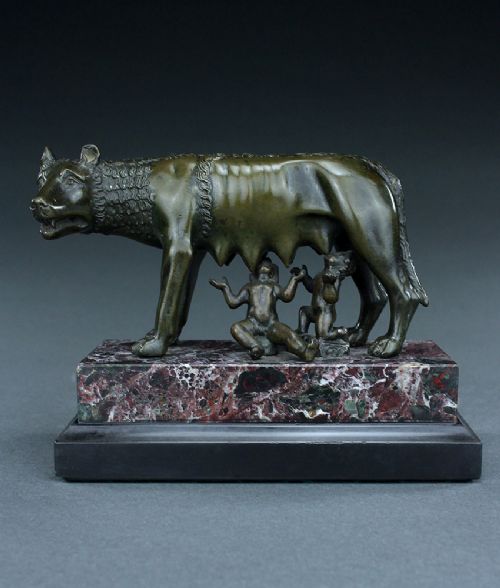
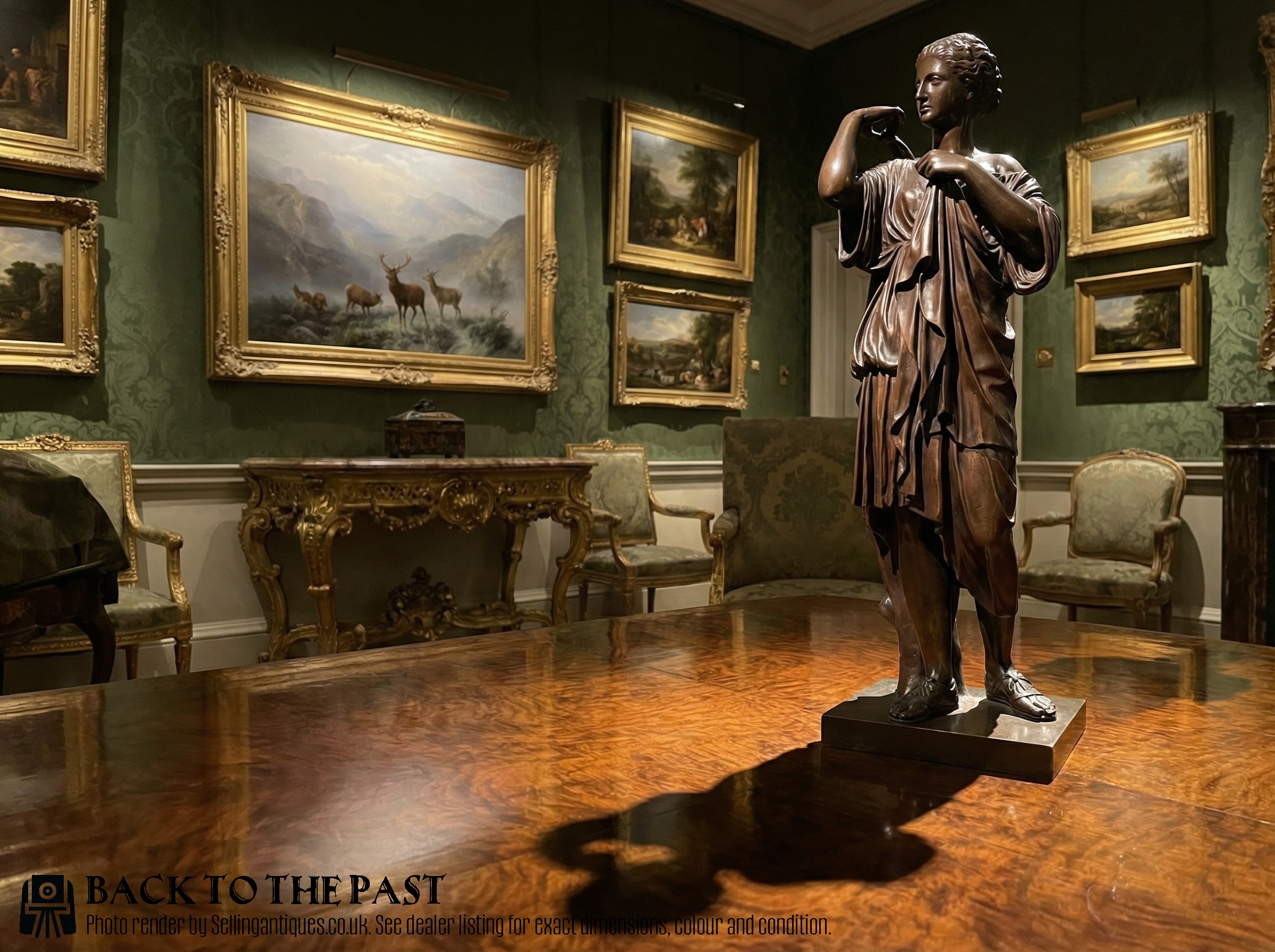
When you examine a grand tour souvenir sculpture, you are looking at reduction copies of famous classical antiquities and Renaissance masterpieces collected by travellers during their travels across Europe. These pieces range from small bronze figures of mythological subjects like Narcissus and dancing fauns to architectural models and carved stone animals.
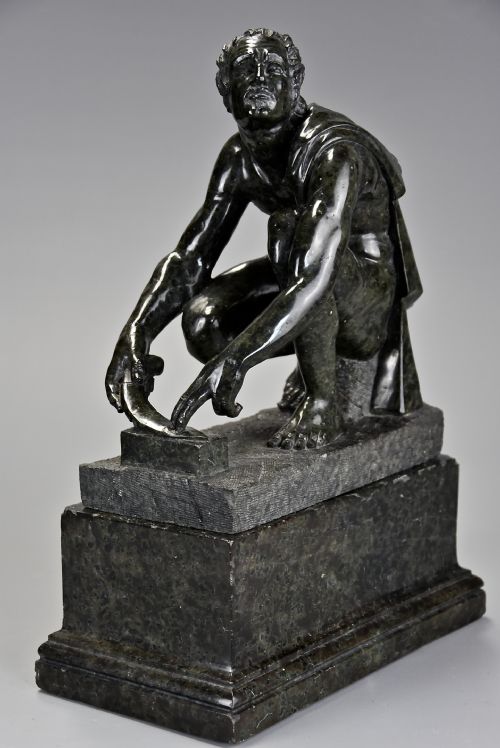
You are most likely to meet nineteenth-century Italian foundry casts in bronze alongside carved serpentine marble and alabaster figures. These portable works served as physical mementoes of educational journeys through Rome, Naples and Florence.
The selection includes standing deities, historical portraits and animal representations mounted on integrated mineral plinths. Each object translates monumental public sculptures into domestic cabinet formats.
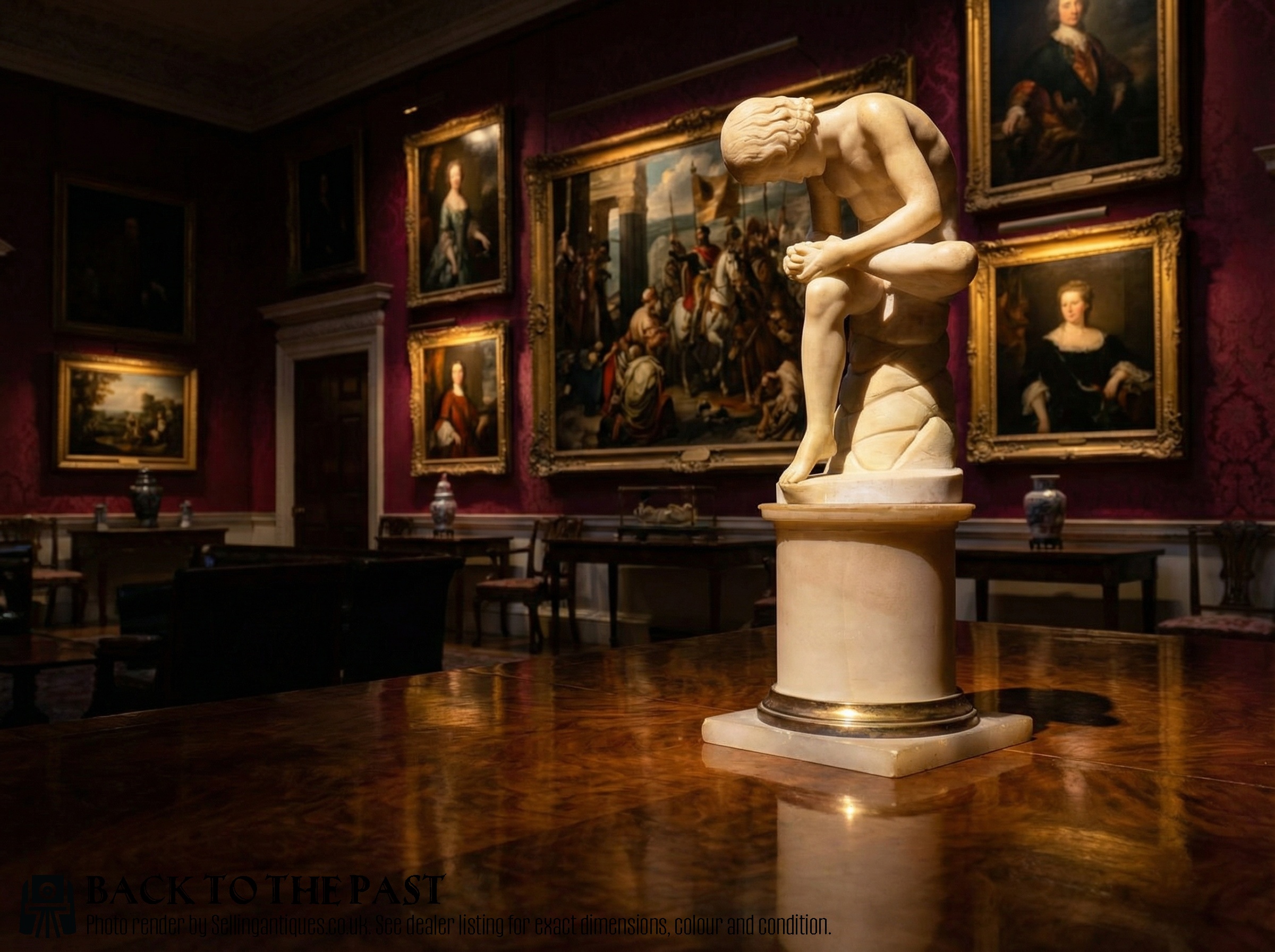
How They Were Made
Foundry artisans created metal examples using traditional casting methods, applying chemical patination ranging from dark green to warm brown to simulate aged metal. Stone versions were meticulously carved from native materials such as alabaster, verdo prato and various marbles.
Sculptors mounted these finished figures onto contrasting bases of fossil marble or Siena marble to enhance their display presence. Fine chasing and engraving completed the surface details on both metal casts and stone carvings.
What Varies in Quality
The quality of a cast depends directly on the crispness of the chasing and the depth achieved in secondary details such as hair, drapery and facial expressions. Superior bronze examples show clean finishing without surface pitting or obscured contours.
In stone and marble carvings, the precision of proportion relative to the original monument dictates the piece's success. Better examples demonstrate careful selection of mineral strata in the marble bases and stones used.
G Amodio Naples·Ferdinand Barbedienne Foundry
The Grand Tour Souvenir Sculpture Glossary
- Patination
- The surface coloration applied to metal sculptures either chemically or naturally over time. This treatment protects the bronze while providing rich aesthetic depth.
- Reduction
- A scale copy made smaller than the original monumental sculpture. These reductions allowed travellers to transport classical art safely home.
- Serpentine
- A mottled green mineral resembling jade used extensively for carved figures and architectural bases. It offers a smooth tactile surface for sculptural subjects.
- Plinth
- The flat block or base supporting a figure or bust. These are frequently fashioned from contrasting coloured marbles.
- Lost-wax casting
- A metal-working method where a wax model is melted from a mould and replaced with molten bronze. This technique permits intricate undercuts and fine details.
Grand Tour Souvenir Sculpture: Frequently Asked Questions
How were these sculptures displayed?
Collectors typically placed these bronzes and stone figures on library tables, mantelpieces and dedicated pedestals within domestic studies. Their compact scale suited them for intimate study and display.
Many examples feature fitted marble plinths designed to elevate and frame the sculptural subject.
Which subjects appear most often?
Mythological figures like Narcissus, dancing fauns and Dionysus frequently appear among the surviving bronze casts. Animal subjects such as the Medici lions and the Capitoline wolf are also common.
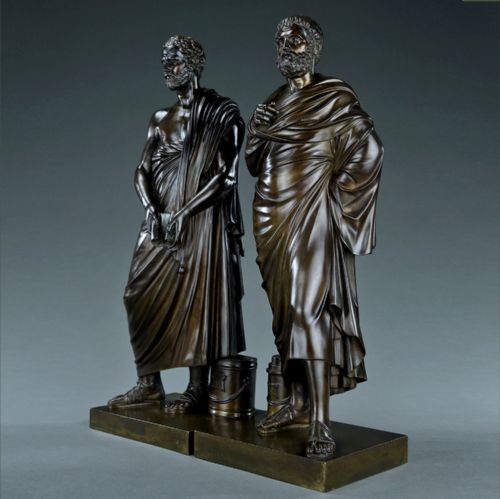
Architectural models, obelisks and portraits of classical thinkers round out the most frequently encountered subjects.
How do I identify the materials?
Metal items typically consist of patinated bronze, cast iron or brass with applied chemical colorations. Stone examples utilise alabaster, serpentine marble and various coloured decorative stones for both figures and bases.
Examining the weight, coldness and surface texture usually distinguishes metal casts from carved mineral pieces.