






Antique Bronze Diana
When you collect antique bronze diana figures, you bring home centuries of classical mythology rendered in metal and marble.
Antique Bronze Diana
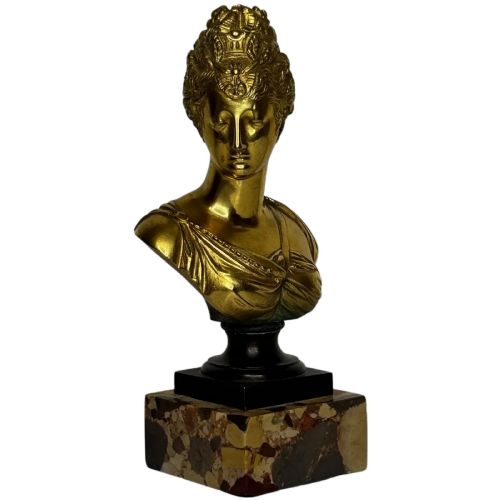
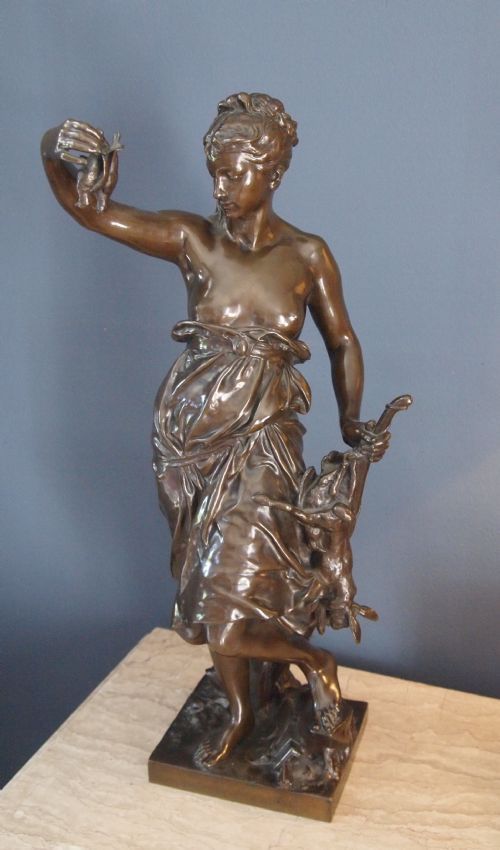
An antique bronze diana represents the Roman goddess of the hunt, appearing across periods from the Victorian era into the twentieth century. These works take the form of freestanding sculptures, portrait busts, wall reliefs, and mantel clocks topped with the divine huntress.
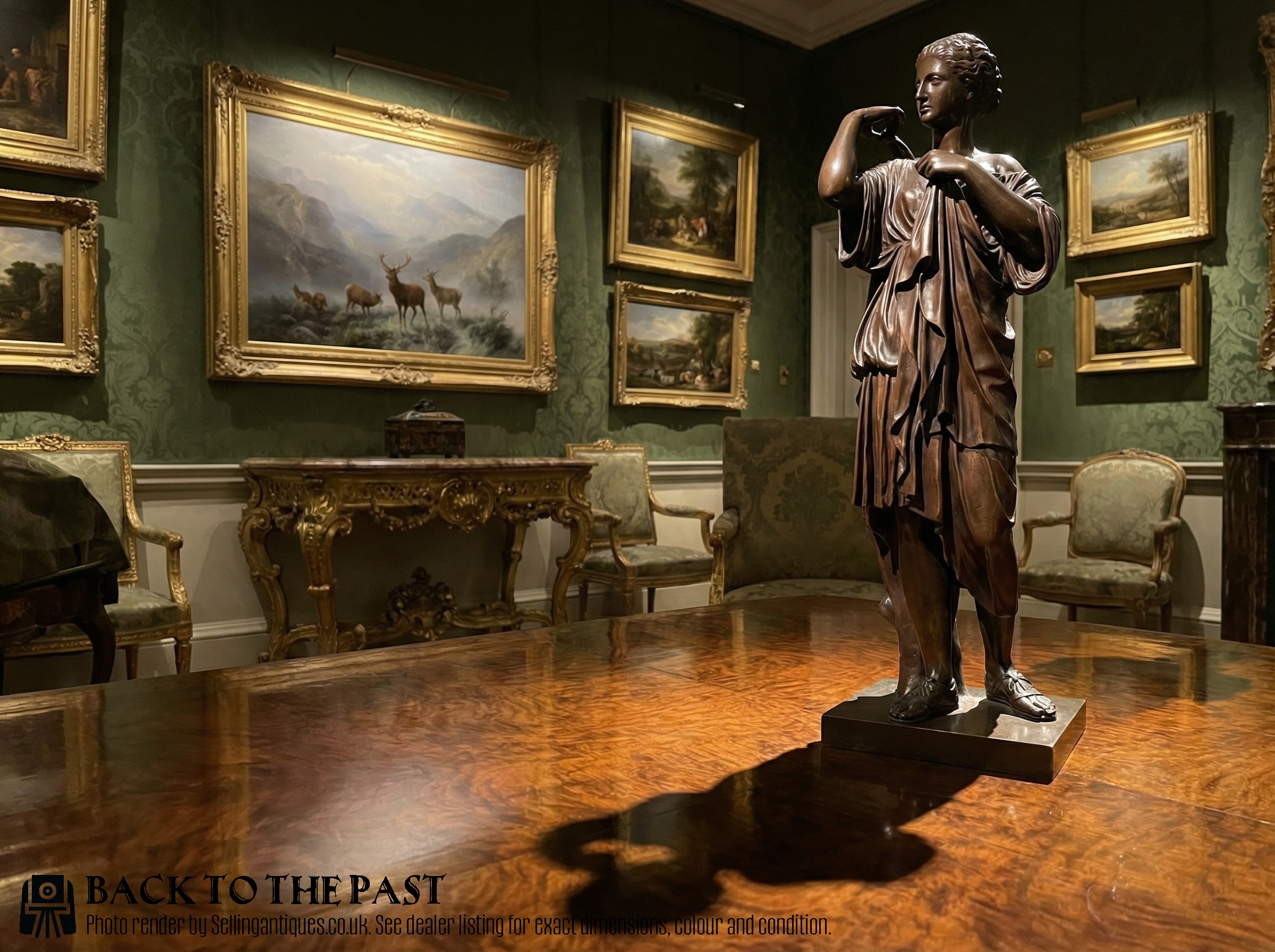
You will frequently encounter French Grand Tour souvenirs and classical studies modelled after ancient statues such as Diana of Gabii and Diana of Versailles. Later iterations shift into Art Deco interpretations that capture the movement of the goddess with bow and arrow.
The materials paired with these bronzes often include marble plinths, gilt bronze, ormolu, and wood bases. Makers throughout the nineteenth century and the Art Deco period utilised these substances to frame the mythological subject.
How they were made
Foundries produced these pieces using traditional casting methods in bronze, sometimes incorporating bronzed copper or polished bronze surfaces. Artisans chased the metal to refine details like hair, drapery, and hunting attributes.
Many works incorporate contrasting elements such as white marble bases and gilt bronze or ormolu mounts. Enamel details occasionally appear on clock faces housed within figural mantel clock assemblies.
Diana keeps company with Apollo in matched Grand Tour busts, proving the huntress tolerates her twin even in metal.
What varies in quality
The crispness of the casting and the sensitivity of the chasing separate standard foundry output from finer sculptural studies. Details in the facial expression, the hand holding the bow, and the folds of drapery reveal the skill of the artist or foundry.
The integration of the bronze figure with its marble base or clock mechanism dictates the overall success of the piece. Signatures from recorded sculptors and founders add documentary weight to surviving works.
Pierre Le Faguays·Deniere and Cailleaux·Louis Ernest Barrias·Ferdinand Barbedienne Foundry·Josef Lorenzl·Edward McCartan
The Antique Bronze Diana Glossary
- Grand Tour
- A nineteenth-century tradition where travellers collected bronze souvenirs of classical sculptures in Italy. These reductions brought ancient mythology into domestic interiors.
- Ormolu
- A gilded bronze technique used for decorative mounts and clock cases. It provides a bright golden contrast to darker patinated bronze figures.
- Patina
- The surface sheen and colour developed by bronze over time or applied by the foundry. It ranges from deep brown to polished golden tones.
- Relief
- A sculptural technique where the figure projects from a flat background. Wall reliefs in bronze or bronzed copper offer a compact way to display the goddess.
- Lost wax casting
- A method where a wax model is melted away to allow molten bronze to take its place. This technique permits intricate detail in sculptural hair and drapery.
Antique Bronze Diana: Frequently Asked Questions
How do I identify a Grand Tour Diana bronze?
Grand Tour bronzes typically date from the nineteenth century and derive directly from classical statues found in Italian museums. Look for reduction casts that replicate famous marble antiquities like the Diana of Gabii.
These pieces often possess a warm dark patina and were acquired by travellers touring Europe. They frequently stand on simple marble or bronze bases rather than elaborate clock plinths.
What is the difference between Victorian and Art Deco Diana sculptures?
Victorian depictions lean towards academic classicism and Grand Tour revivals, faithfully copying ancient Greek and Roman prototypes. They often feature detailed drapery, classical bows, and traditional patination.
Art Deco examples, emerging around the 1920s and 1930s, stylise the goddess with sleek lines and dynamic movement. These later figures frequently mount directly onto geometric marble bases alongside hounds or abstract elements.
Where should I place a bronze mantel clock featuring Diana?
Diana mantel clocks require a stable surface like a mantelpiece, sideboard, or large console table where the weight of the bronze and marble can rest securely. Ensure the location avoids excessive moisture to protect the metal patination and any internal clock movements.
Position the clock away from direct heat sources to preserve both the bronze figure and the stone plinth. Allow sufficient clearance around the piece so the sculptural details remain fully visible.
How do I care for antique bronze and marble?
Dust antique bronze gently with a soft, dry cloth to prevent particulate buildup on the surface. Avoid using chemical polishes or modern cleaning agents that can strip the original patina.
Marble bases require simple wiping with a damp cloth followed by immediate drying. Keep the stone free of oils and acidic liquids to maintain its natural finish.