




Carved Stone Classical Figure
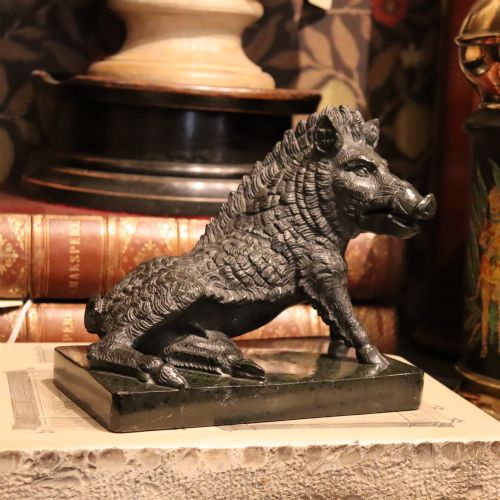
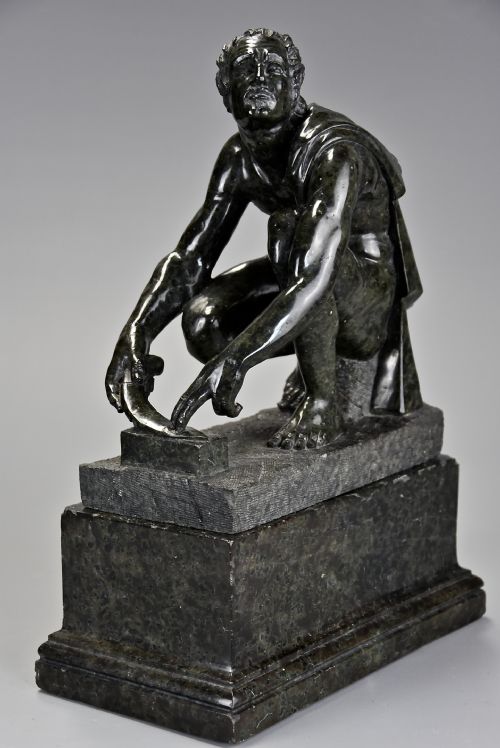
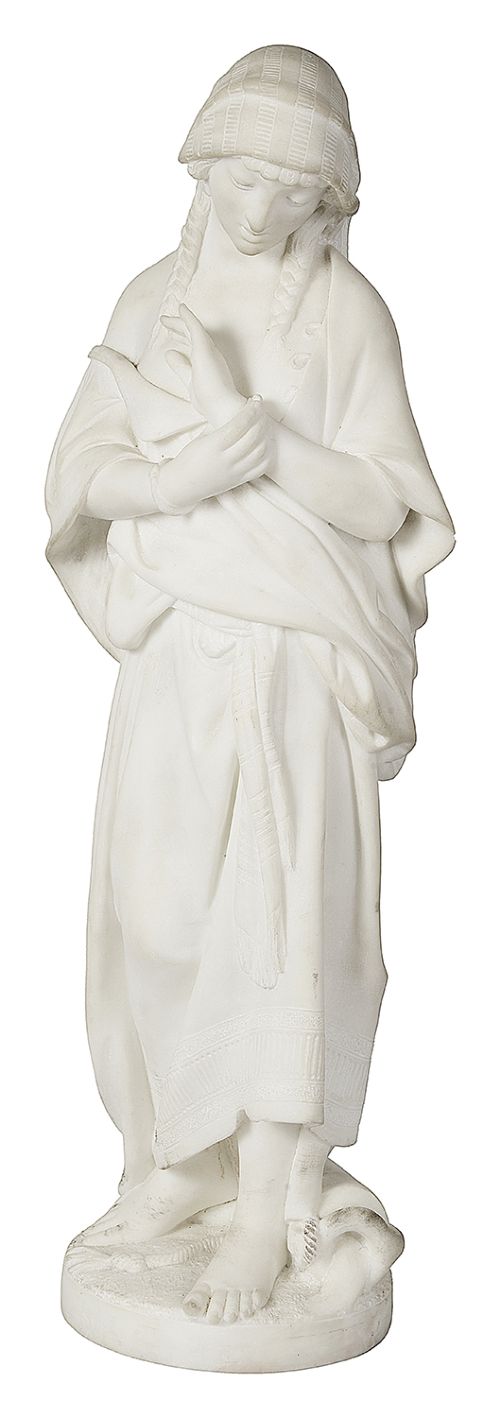
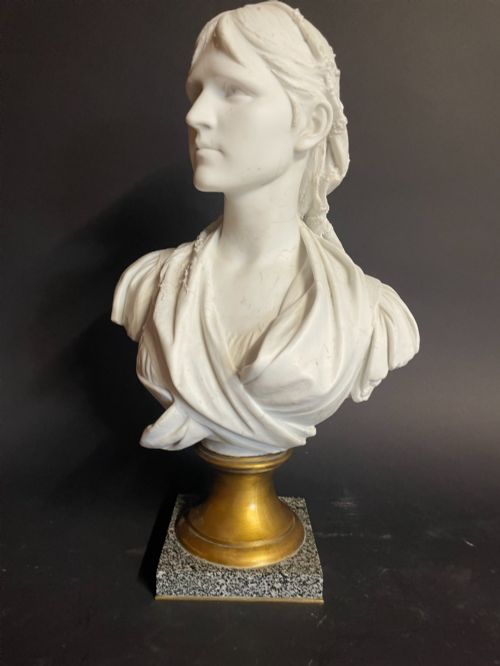
A carved stone classical figure brings the presence of antique mythology and portraiture into a room.
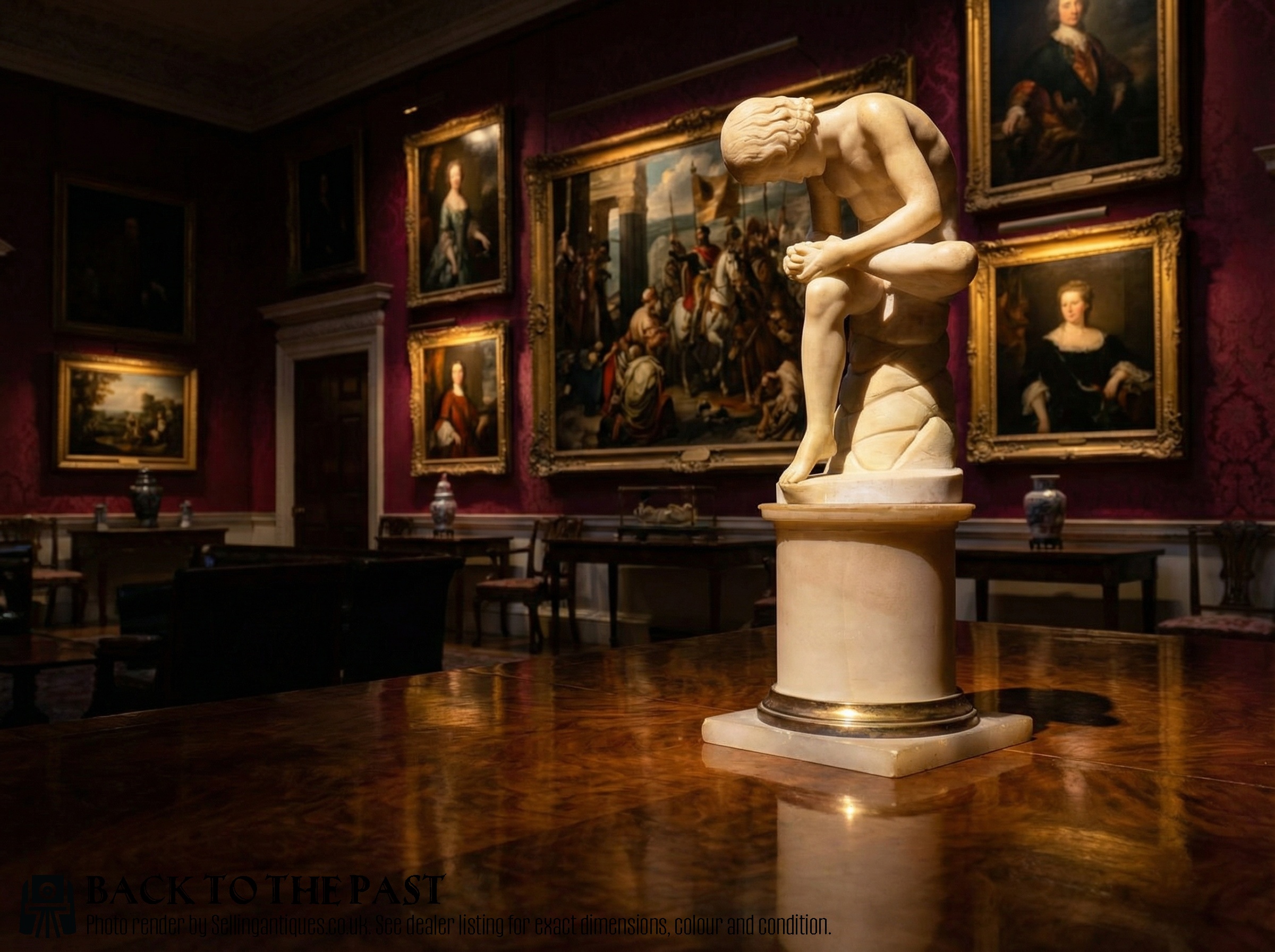
Carved Stone Classical Figure
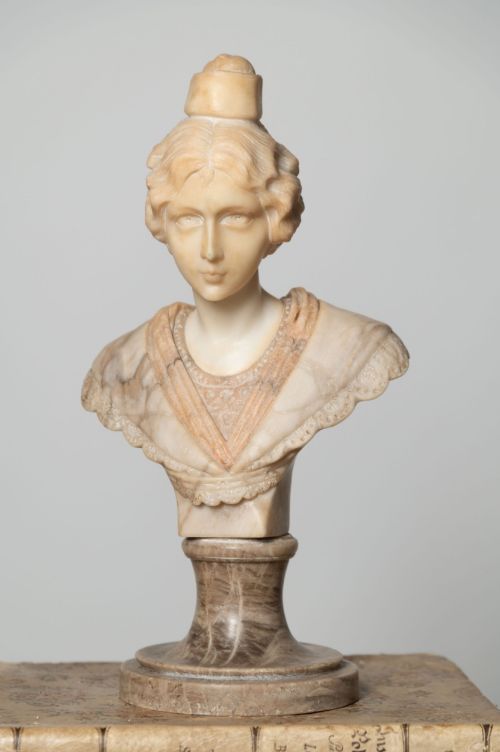
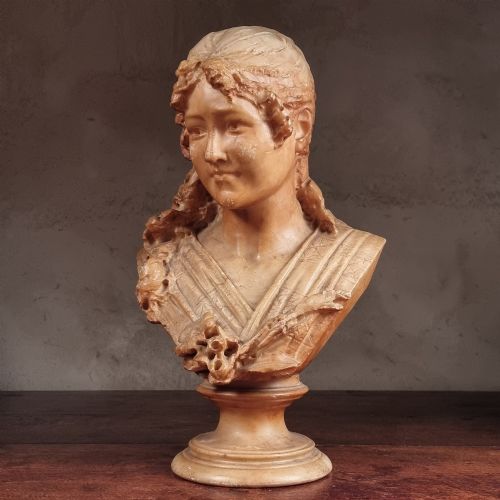
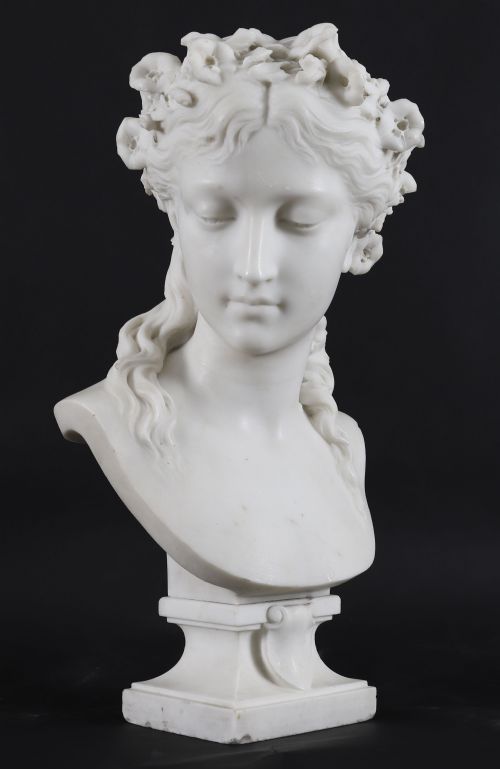
A carved stone classical figure represents mythological subjects, literary characters, and portrait busts produced primarily during the nineteenth century. These works draw upon ancient Greek and Roman models, reflecting the enduring influence of classical antiquity on European sculpture.
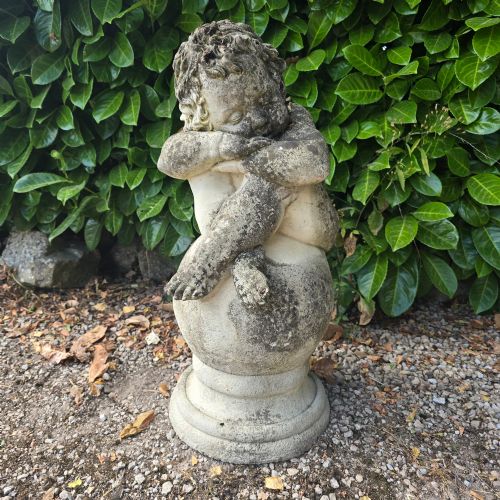
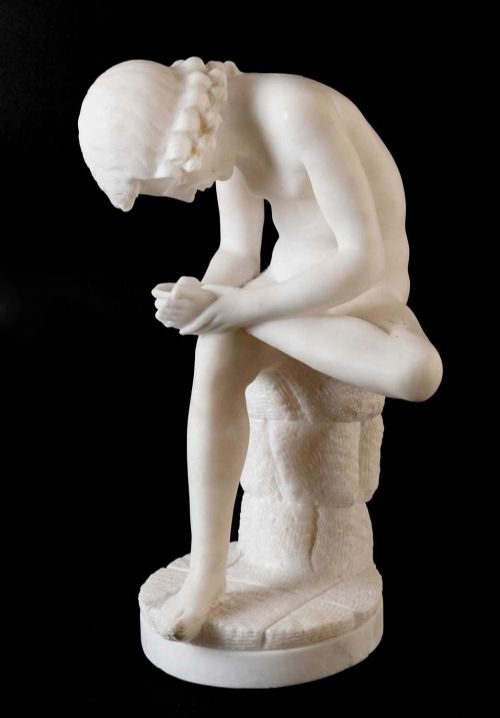
The selection ranges from small Grand Tour souvenirs acquired by travellers in Italy to substantial portrait busts and garden statues. Subjects span from classical muses and cherubs to historical literary figures such as Dante.
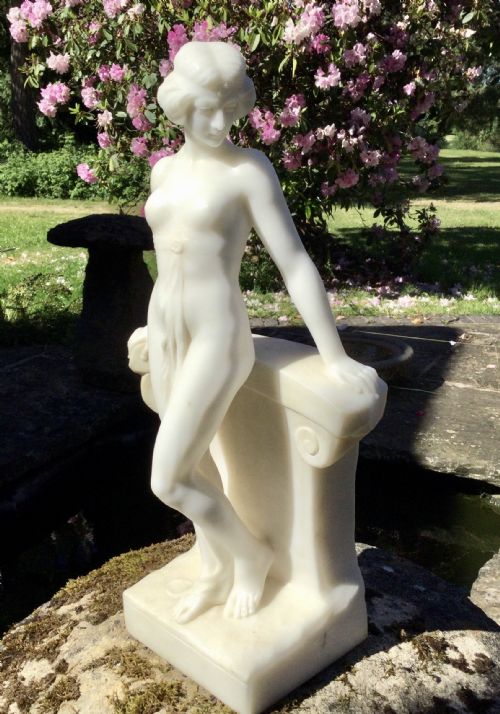
Italian and French studios dominate the origin of these pieces, particularly workshops in centres like Florence and Carrara. The common forms on this page include library busts, full-figure statues, and figural bookends.
Materials and Working Methods
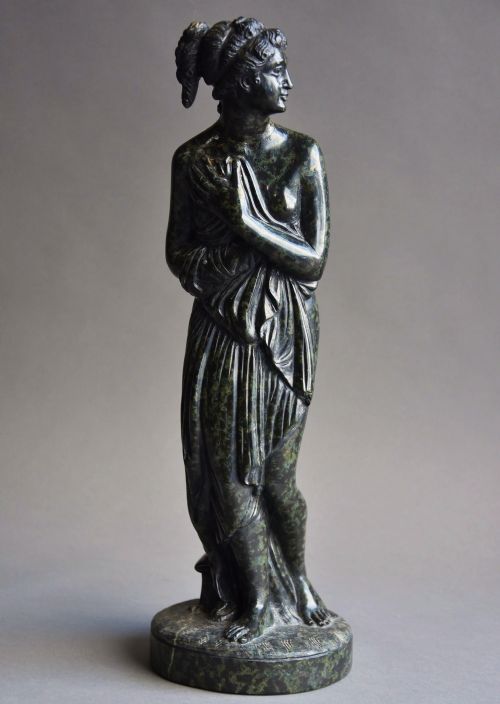
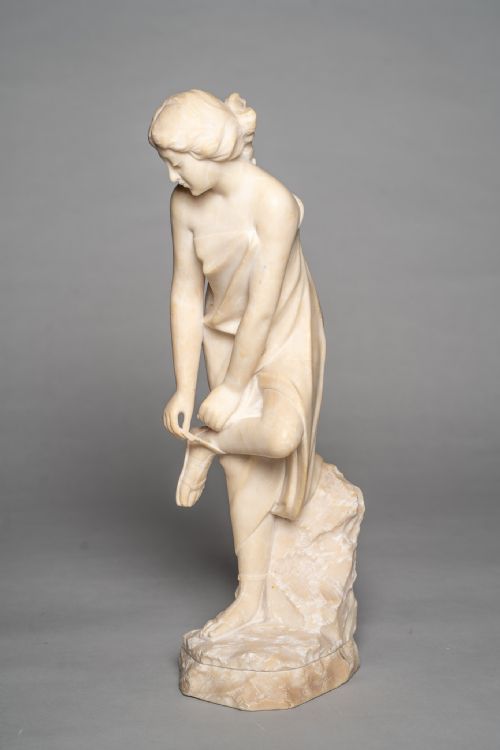
Sculptors utilised white marble, Carrara marble, and alabaster as the primary media for carving these figures. Alabaster offers a softer, translucent quality suited to delicate drapery and flesh tones, whereas Carrara and serpentine marble provide denser surfaces for crisp detail.
Makers employed traditional chisel, gouge, and rasp techniques to shape the stone, often following classical prototypes or contemporary plaster models. Surfaces received careful polishing to emulate antique finishes or left with a weathered texture depending on the intended indoor or garden placement.
Listings feature marble and alabaster predominantly, alongside occasional serpentine and stone pieces mounted on cast iron.
Distinctions in Quality
The standard of carving distinguishes the finest examples, particularly in the rendering of facial expressions, hair texture, and the fall of fabric. Superior pieces display anatomical precision and fluid movement, whereas lesser works show stiffer lines and mechanical finishing.
The choice of raw material also sets works apart, with select veined marbles and translucent alabaster commanding greater attention. Signature marks from documented sculptors or established Italian and French studios elevate the standing of a piece.
Barranti·Antonio Canova·Eugene Aizelin·Carrier-Belleuse·Fritz Kochendorfer·Pugi
The Carved Stone Classical Figure Glossary
- Grand Tour
- A cultural journey through Europe undertaken by young upper-class men in the eighteenth and nineteenth centuries. Travellers collected small-scale marbles and alabaster figures as souvenirs of classical sites.
- Neoclassical
- A style originating in the mid-eighteenth century inspired by the art and culture of classical Greece and Rome. It prioritises proportion, restraint, and mythological themes.
- Alabaster
- A fine-grained, translucent stone that is soft enough to carve with detailed precision. It takes a smooth polish and admits light beneath the surface.
- Carrara Marble
- A white or blue-grey marble quarried in the city of Carrara in Tuscany. It has served as a preferred medium for monumental sculpture since classical antiquity.
- Putto
- A motif depicting a plump, naked male child, often winged, found in classical and Renaissance art. In later sculpture, these figures appear as cherubs or allegorical attendants.
Carved Stone Classical Figure: Frequently Asked Questions
What periods do these sculptures date from?
The pieces span the nineteenth and early twentieth centuries, with a strong concentration from the Victorian era and the Grand Tour period. Many reflect earlier neoclassical revivals.
Dates generally range from the mid-nineteenth century up to the early decades of the twentieth century.
Where were these figures originally made?
The majority originate from Italian workshops, particularly in Florence and Carrara, as well as French studios. These regions remained active centres for marble and alabaster carving.
Sculptors produced these works both for local clientele and for foreign visitors touring Europe.
How do I care for marble and alabaster?
Dust the stone regularly with a soft, dry cloth to prevent dirt accumulation. Avoid harsh chemical cleaners and moisture, especially on alabaster which is water-sensitive.
Keep pieces away from direct sunlight and sudden temperature changes to preserve the surface finish.
What is the difference between marble and alabaster?
Marble is a metamorphic rock formed from limestone, offering high durability and density. It resists scratching and takes a bright polish.
Alabaster is softer and possesses a translucent quality that allows light to penetrate the surface. It requires more careful handling due to its susceptibility to moisture and impact.