


Cream Alabaster Sculpture
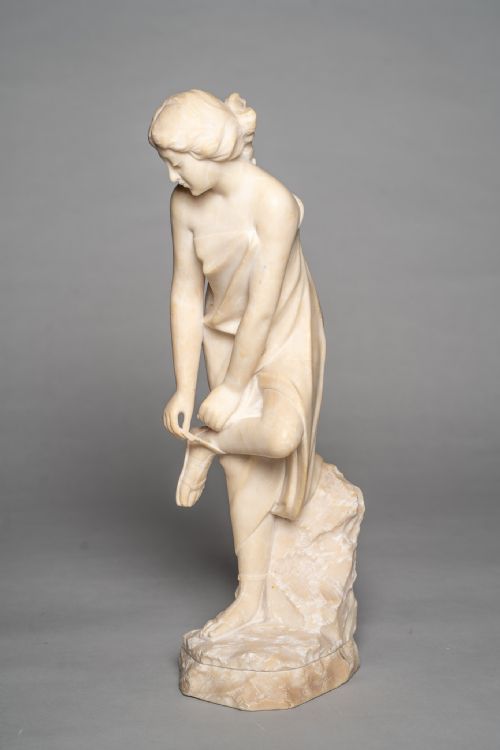
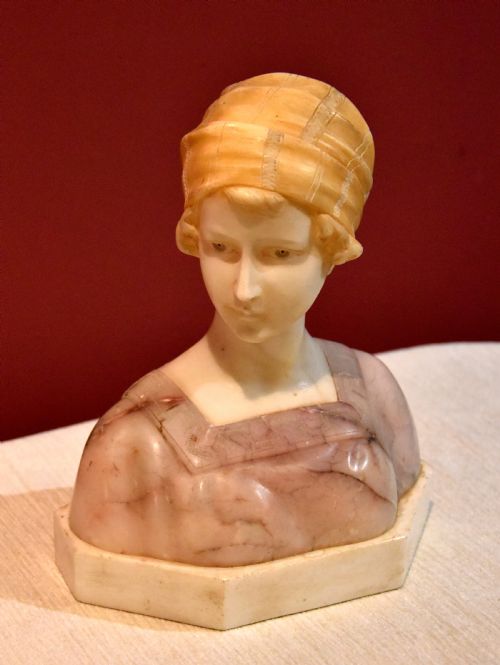
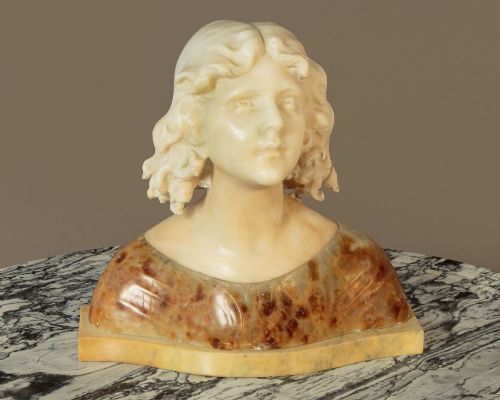
A cream alabaster sculpture brings tactile warmth and classical grace to an interior, making these carved figures enduringly desirable for collectors.
Cream Alabaster Sculpture
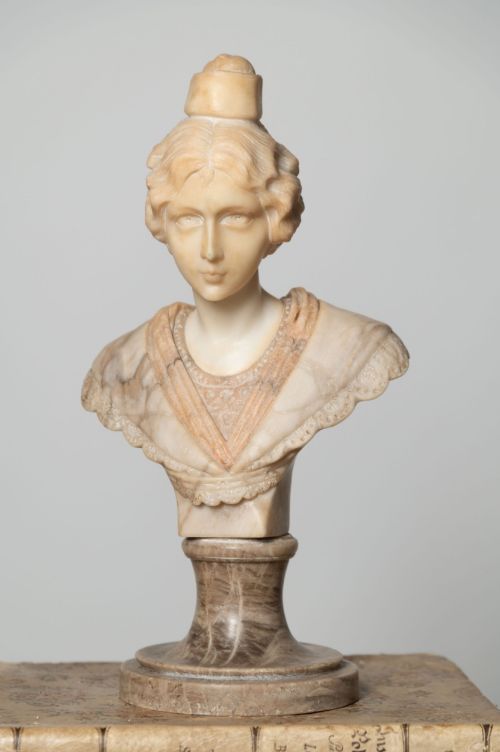
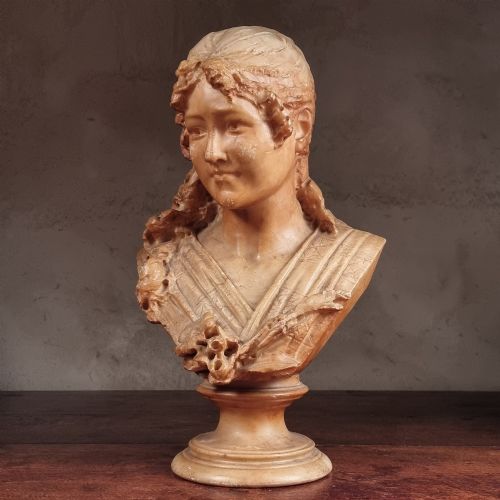
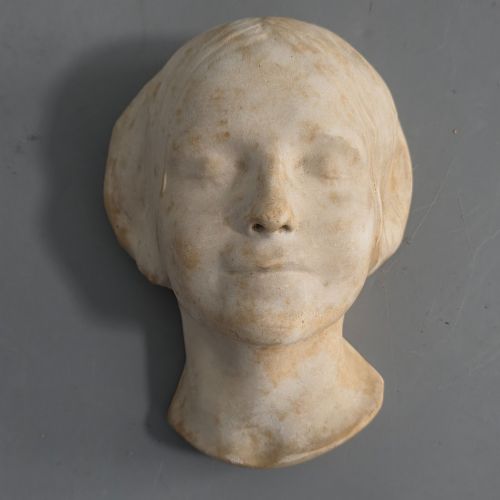
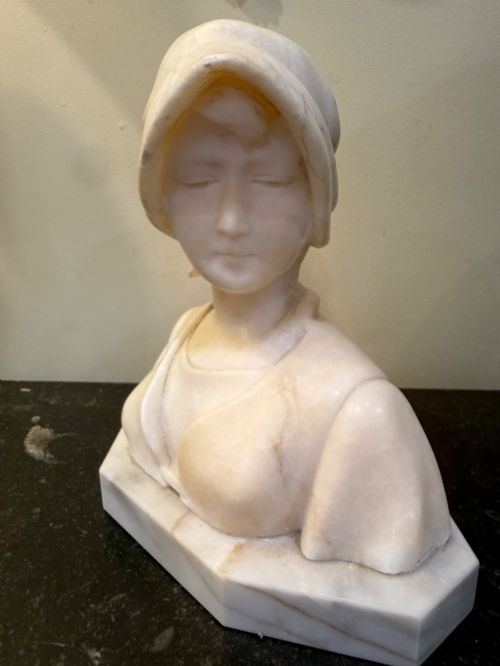
A cream alabaster sculpture represents figurative works carved from fine-grained gypsum, often depicting classical subjects, female busts, or mythological themes. These pieces emerge primarily from European workshops spanning the late nineteenth and early twentieth centuries.
The selections available here range from neoclassical interpretations and Art Nouveau forms to nineteenth-century European pieces. Buyers most frequently encounter figural representations of female subjects and boys, occasionally paired with marble or brass elements.
Materials and Working Methods
Sculptors utilised soft alabaster, a material prized for its translucency and delicate cream tone, sometimes combining it with marble and brass mounts. The stone permits fine detailing of drapery, hair, and facial expressions.
Carving required hand chiselling and abrasive polishing to achieve the smooth surfaces characteristic of these figures. Workshops often signed the finished stone directly on the base or body.
Retail Price Guide 2026
Typical UK retail prices for cream alabaster sculpture, calculated from the Sellingantiques database of over a million retail prices indexed since 2003. This retail price guide relies exclusively on Sellingantiques data; no external sources or auction records are used, so the figures do not describe the wider market.
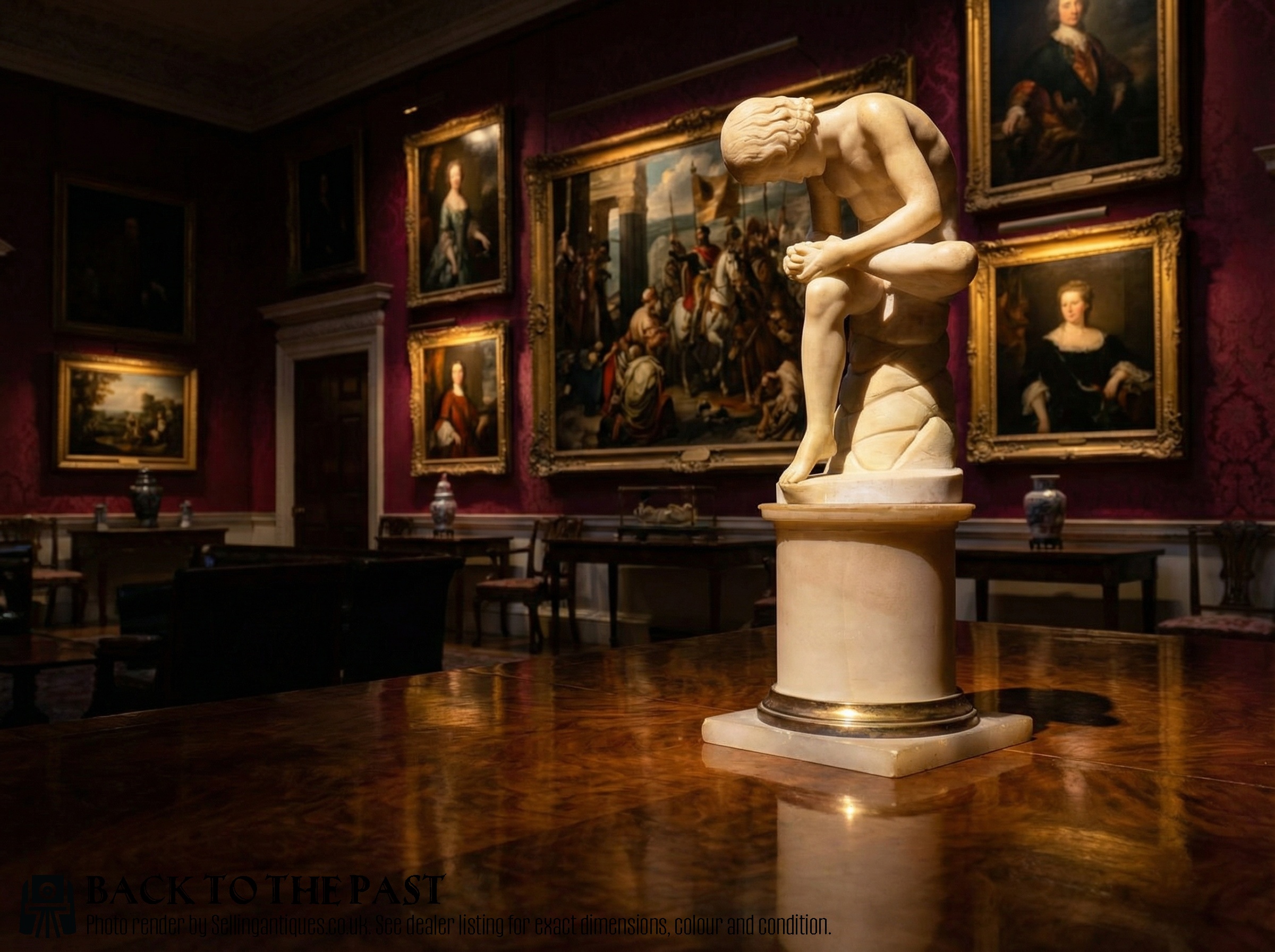
A small bronze thorn remains the lifelong nemesis of the boy depicted in the classic Spinario.
Distinctions in Quality
The distinction between ordinary and exceptional carving lies in the sensitivity of the modelling and the crispness of the detail. Finer works capture subtle anatomical transitions and the soft fall of drapery.
The presence of a known sculptor's signature elevates a piece, as seen in works attributed to named artists. Material purity and the harmonious integration of mixed media such as marble or brass further differentiate the standard of execution.
A.Gamay·Auguste Henri Carli·Mieczyslaw Leon Zawiejski
The Cream Alabaster Sculpture Glossary
- Alabaster
- A fine-grained, translucent stone used historically for carving sculptures and decorative objects. It takes a smooth polish but remains soft enough to work by hand.
- Art Nouveau
- An international style of art and architecture that peaked in popularity around the turn of the twentieth century. It is characterised by organic motifs and flowing, sinuous lines.
- Neoclassical
- A style inspired by the classical art and culture of ancient Greece and Rome. It emphasises symmetry, proportion, and restrained elegance.
- Spinario
- A Greco-Roman Hellenistic bronze sculpture of a boy pulling a thorn from his foot. Later sculptors frequently recreated this classic subject in alabaster and marble.
Frequently Asked Questions
How should I clean cream alabaster?
Dust the sculpture gently with a dry, soft microfiber cloth to prevent surface scratching. Avoid using water, soap, or chemical cleaners, as alabaster is porous and water-soluble.
Keep the piece away from direct sunlight and damp environments to preserve the natural tone of the stone.
Where were these sculptures made?
These sculptures originate primarily from European workshops, particularly Italian and Polish centres of stone carving during the nineteenth and early twentieth centuries.
Artists trained in classical academies produced these figural works for international clientele and private collections.
Are all these sculptures signed?
Not every piece carries a signature, but notable examples feature the carved or incised name of the sculptor on the base. Signatures provide direct attribution to artists active around the turn of the twentieth century.
Unsigned works rely on stylistic execution, material quality, and subject matter for identification.
What subjects do these sculptures depict?
The subjects range from classical figures and female busts to mythological and historical motifs like the Spinario. Artists also portrayed young boys and allegorical themes.
These depictions reflect the enduring nineteenth-century taste for classical antiquity and refined figurative art.