


Antique Alabaster Figure
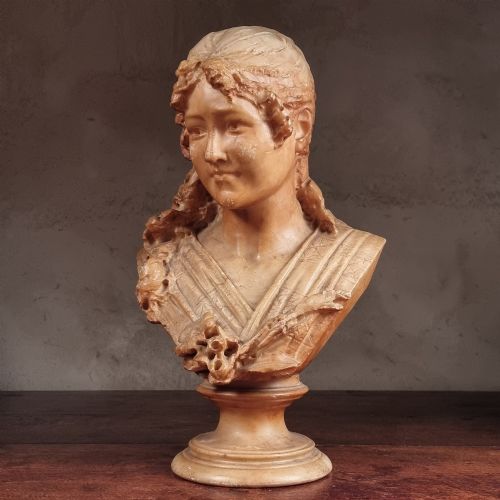
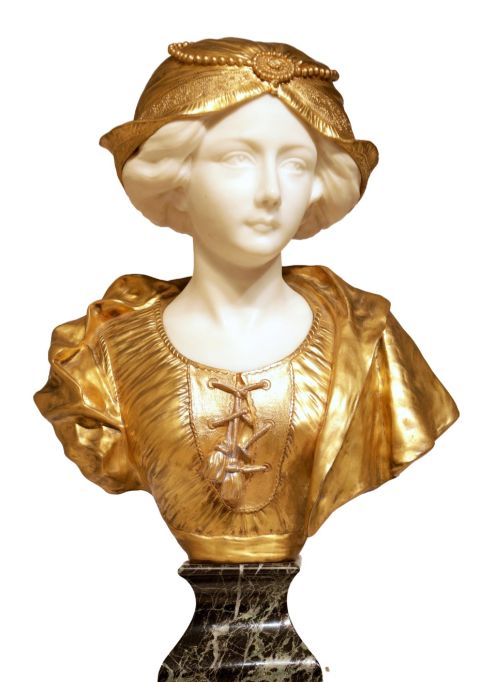
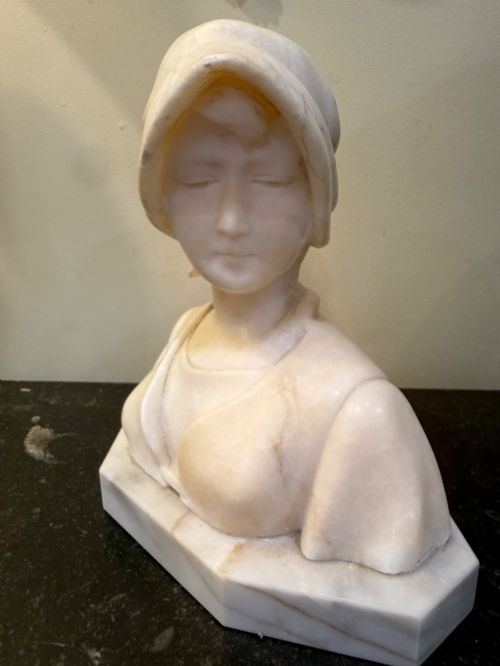
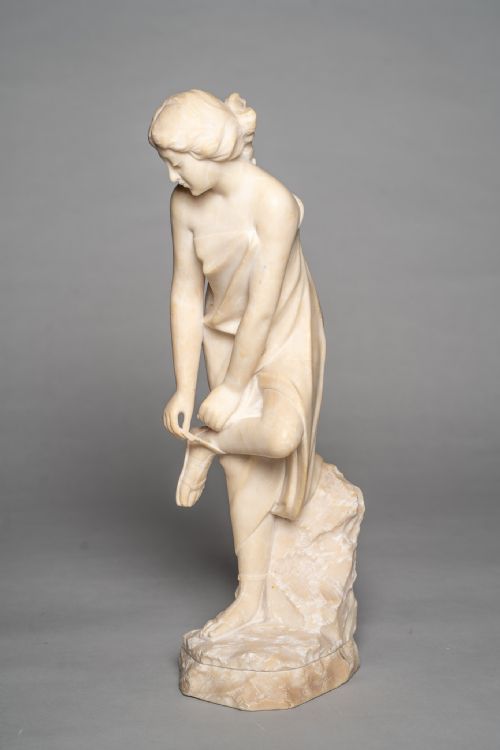
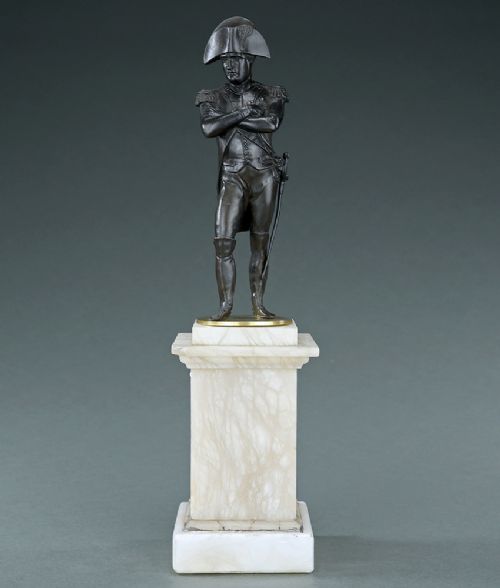
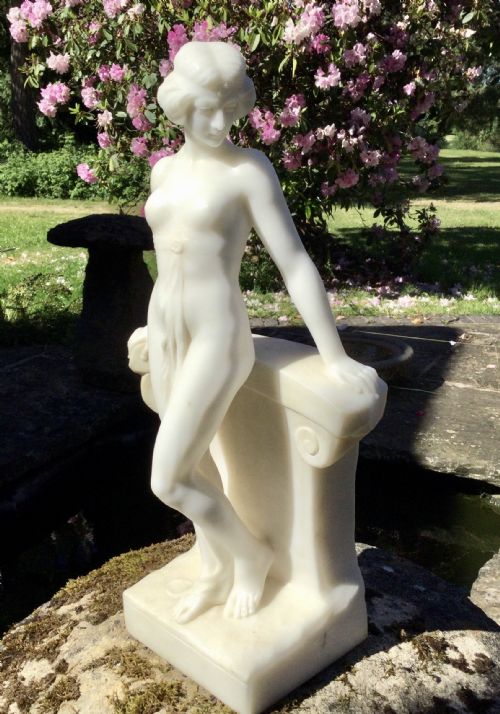
An antique alabaster figure brings tactile presence to a room, offering carved portraiture and mythological studies shaped across the nineteenth and early twentieth centuries.
Antique Alabaster Figure
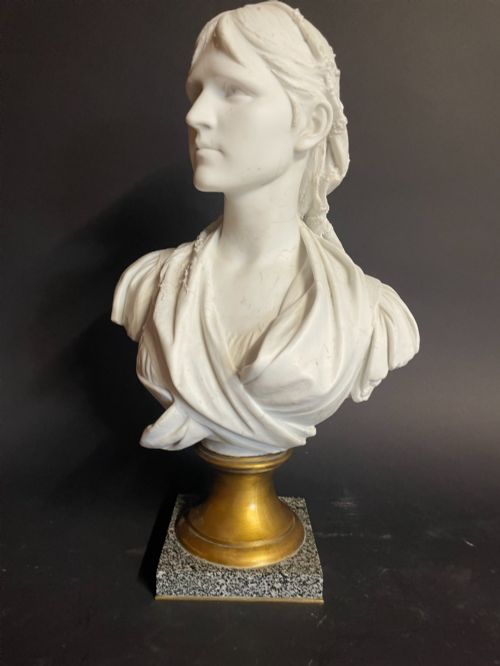
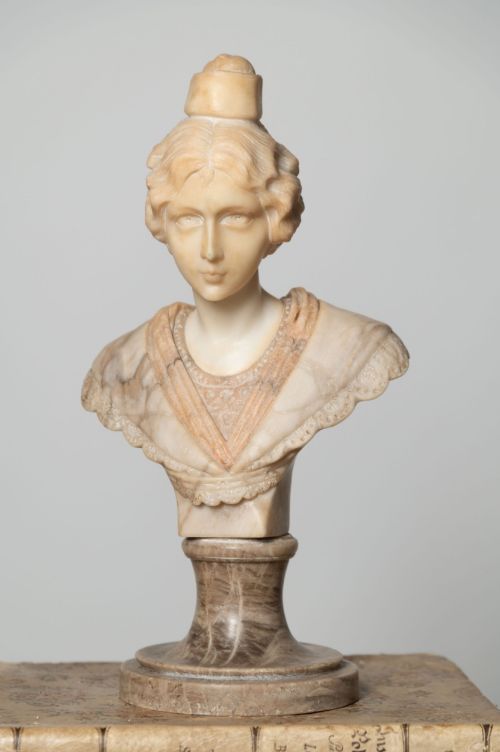
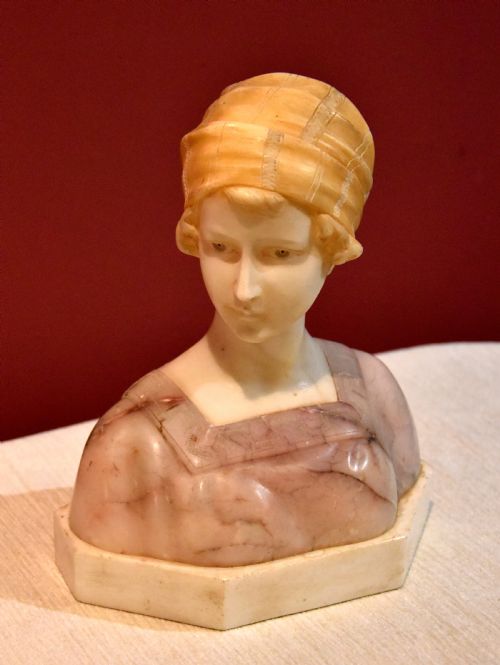
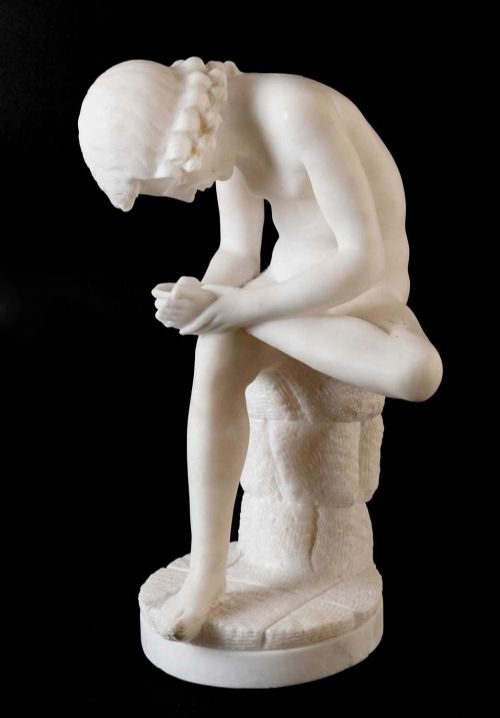
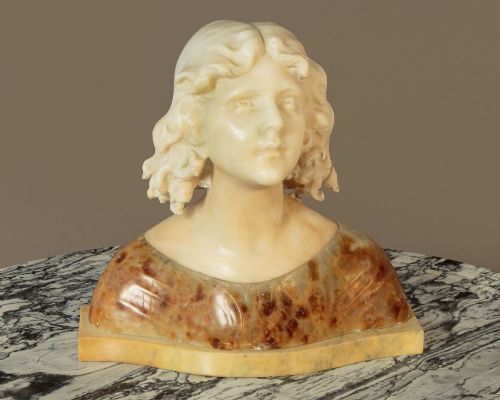
An antique alabaster figure encompasses carved portrait busts, mythological subjects, and animal studies originating largely from the nineteenth and early twentieth centuries. Buyers seeking an antique alabaster figure will frequently encounter Italian and French workshop productions spanning the Victorian, Edwardian, Art Nouveau, and Art Deco periods.
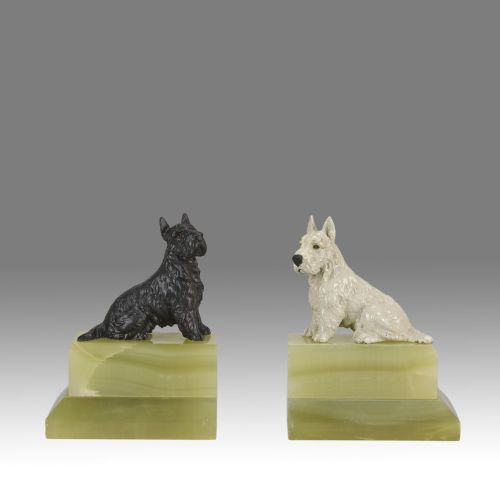
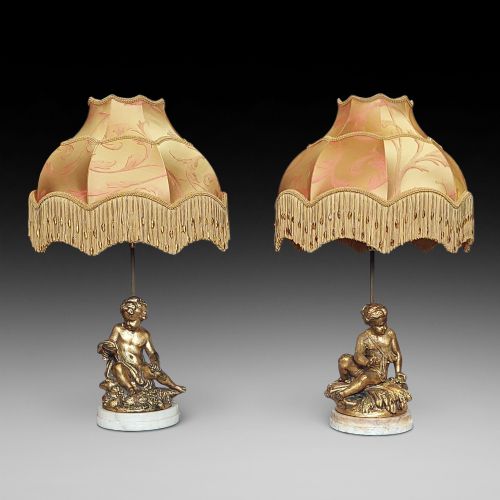
The selections range from cabinet-scale Grand Tour souvenirs to substantial parlor sculptures and functional items like bookends and table lamps. Subjects include female busts, classical deities, and animal studies often mounted upon contrasting black marble or stone bases.
How they were made
Carvers shaped these pieces primarily from soft gypsum alabaster and veined marble, frequently combining stone with cast bronze, gilt bronze, spelter, or brass elements. Workshops utilised hand chisels and rasps to achieve fine surface detailing on garments, hair, and facial expressions.
Many examples incorporate mixed media construction, pairing carved alabaster torsos and heads with metal extremities or mounting the stone figures onto heavy marble plinths.
Antique Alabaster Figure Retail Price Guide 2026
Typical asking prices for alabaster figure among the pieces listed under this phrase on Sellingantiques today, from the lower quarter to the upper quarter. They describe what is for sale here now, not the wider market.
The listings feature works spanning the nineteenth century to the 1930s, executed in alabaster, marble, bronze, and glass across Neoclassical and Art Deco styles.
What varies in quality
Quality rests upon the crispness of the carving, the subtlety of facial expression, and the natural figuring within the stone itself. Superior works display expressive detailing in hair and drapery without mechanical rigidity.
The integration of the figure with its mounting base, alongside signatures from known European workshops or sculptors, separates standard commercial output from exceptional sculptural achievements.
Affortunato Gory·Emile Guillemin·Auguste Henri Carli·Bright And Sons·Fritz Kochendorfer·Antonio Frilli·Pugi
The Antique Alabaster Figure Glossary
- Alabaster
- A fine-grained, translucent stone favoured for sculpture because it permits soft light penetration and delicate carving. It is significantly softer than marble and requires careful handling to prevent surface scratching.
- Grand Tour
- A nineteenth-century tradition where travellers collected classical souvenir sculptures and architectural models in Italy. These smaller-scale pieces replicated famous antique antiquities for home display.
- Neoclassical
- A style drawing inspiration from the classical art and culture of ancient Greece and Rome. Works in this idiom emphasise orderly proportions, classical drapery, and mythological subjects.
- Bust
- A sculpted representation of a person from the chest or shoulders up. This format focuses attention on facial expression and portraiture.
Antique Alabaster Figure: Frequently Asked Questions
How do I clean an alabaster figure safely?
Dust the surface gently with a dry, soft microfibre cloth without applying water or chemical cleaners. Alabaster is porous and water-sensitive, meaning moisture can easily stain or dissolve the stone.
Avoid commercial polishes entirely and handle the sculpture with clean, dry hands to prevent natural skin oils from marking the translucent material over time.
How can I tell alabaster from marble?
Alabaster feels noticeably softer to the touch and allows light to penetrate deeper beneath the surface than standard marble. You can often scratch genuine alabaster with a fingernail or metal point in an inconspicuous spot.
Marble possesses a harder, colder surface crystalline structure and greater resistance to impact compared to the softer gypsum composition of alabaster.
What periods do these sculptures date from?
The pieces available span the nineteenth century through the early twentieth century, taking in Victorian, Edwardian, Art Nouveau, and Art Deco movements. Many items reflect the revival styles popular during the late Victorian and Grand Tour eras.
Earlier nineteenth-century works often favour strict classical mythological subjects, while later twentieth-century examples embrace streamlined Art Deco decorative aesthetics.
Where were most of these figures carved?
A substantial portion of carved alabaster figures originated in Italian workshops, particularly around Florence and Volterra, which were renowned stone-carving centres. French studios also produced significant quantities of figural sculptures and portrait busts.
Many Italian pieces were created specifically as Grand Tour souvenirs for international travellers exploring European cultural sites during the nineteenth century.