






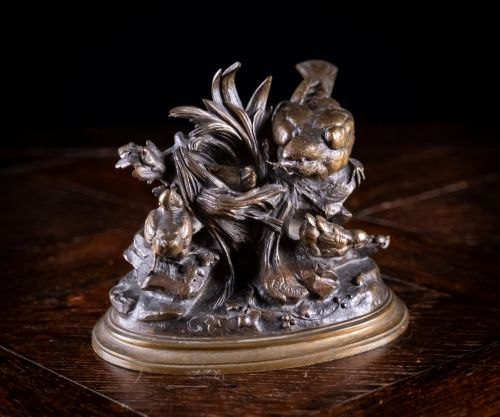
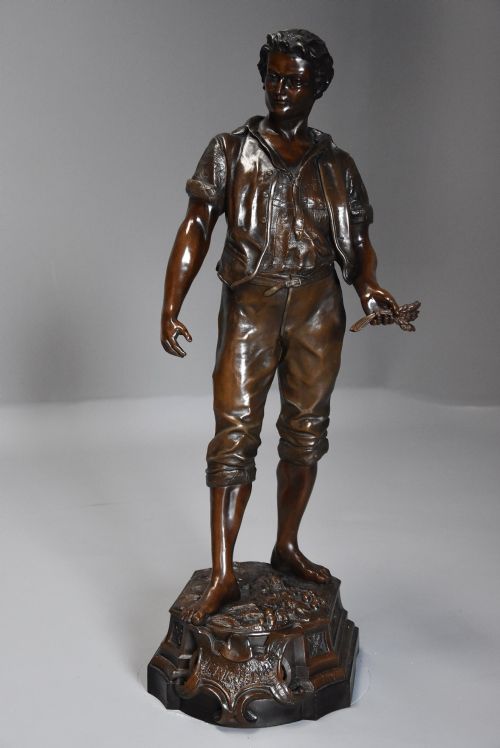
19th Century French Statue
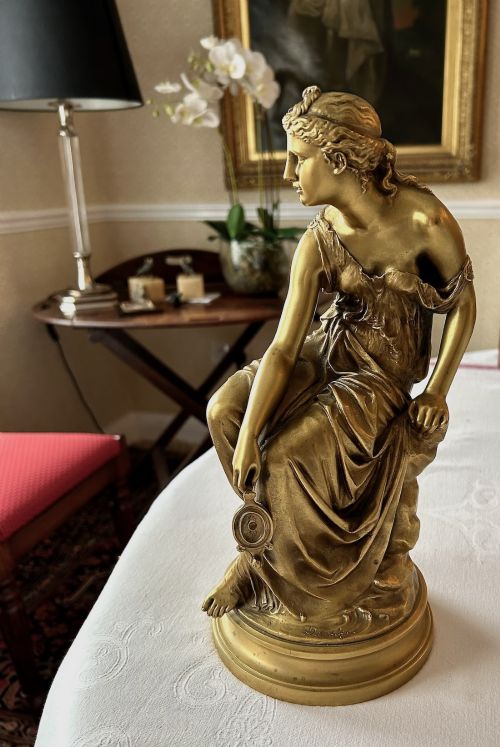
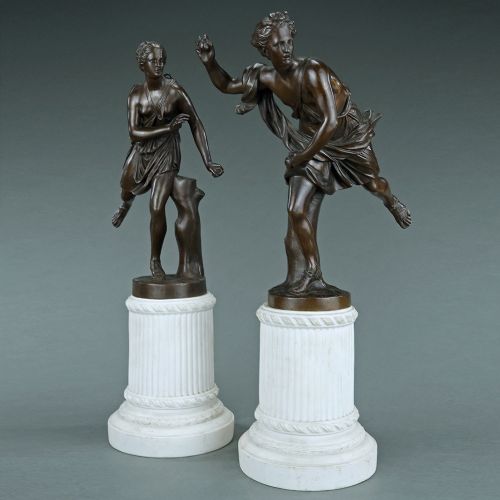
A 19th century french statue brings classical myth, animal vigour and delicate allegory directly into a room through enduring metal, stone and porcelain.
19th Century French Statue
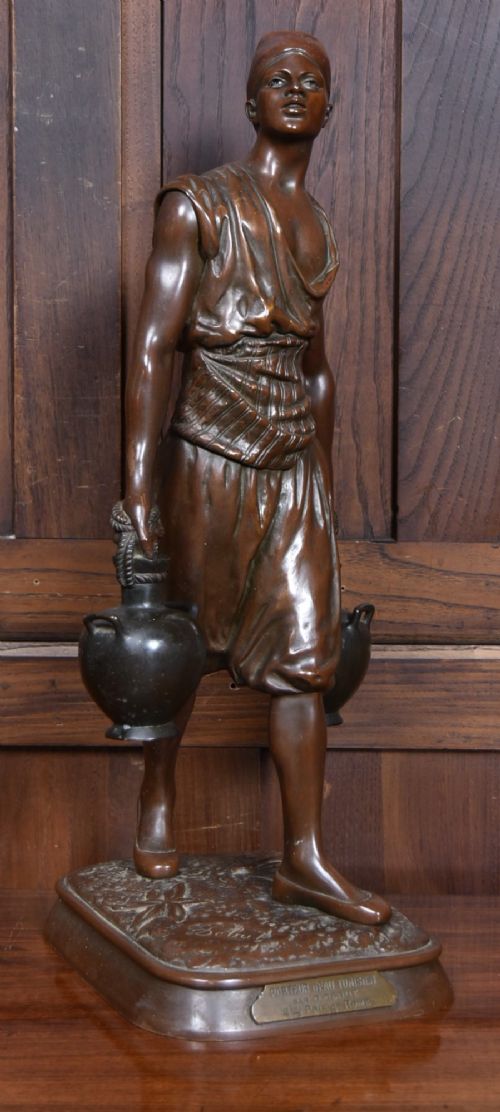
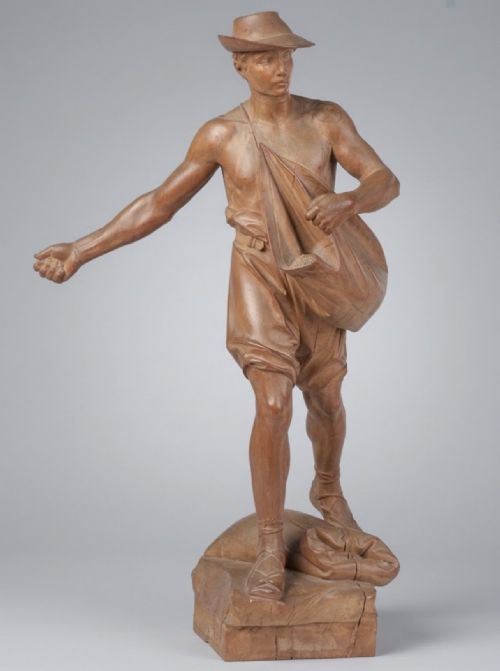
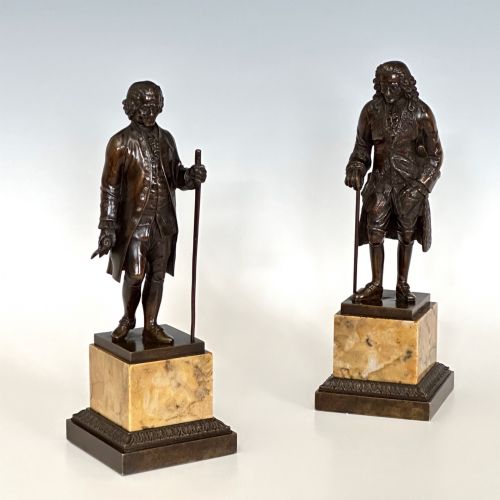
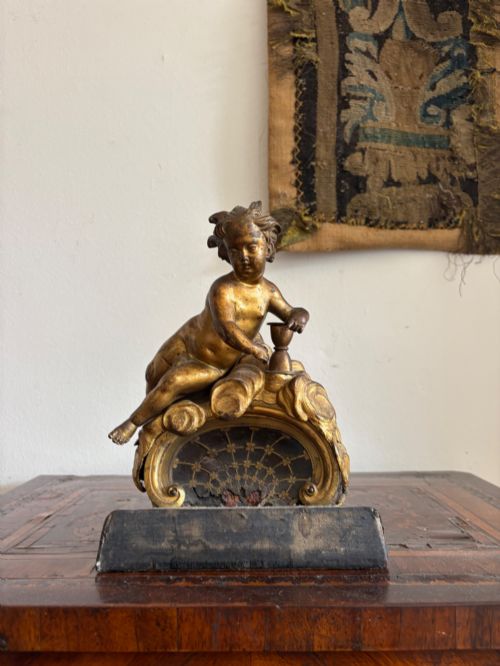
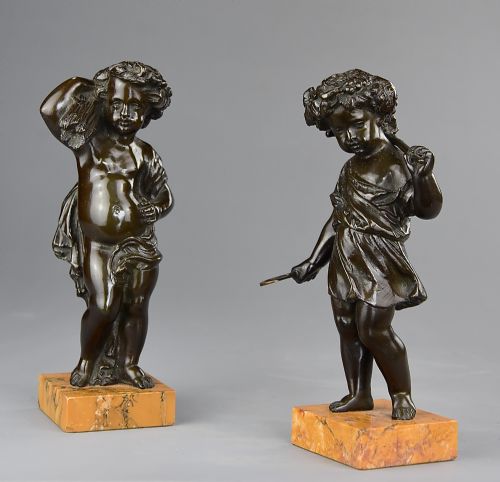
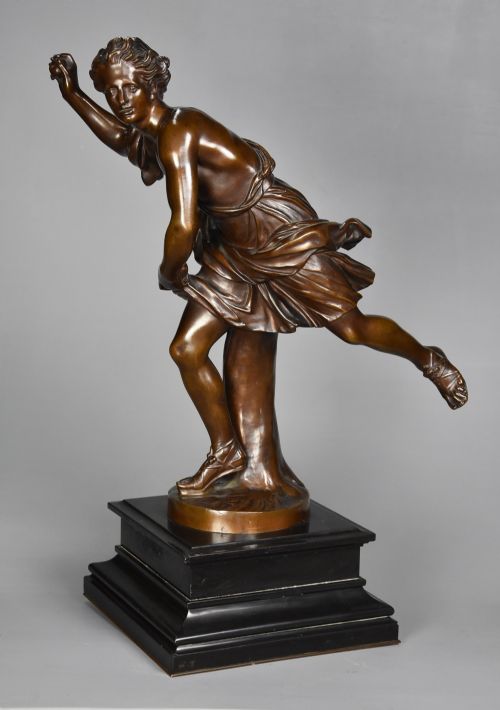
When you search for a 19th century french statue, you encounter a diverse array of sculptures ranging from grand mythological figures and fierce animalier studies to intimate allegorical putti. These works capture the shifting tastes of the period, moving fluidly from Neoclassical and Rococo revivals toward Art Nouveau curves and realistic human forms.
The versions you are most likely to meet on this page span tabletop bronzes, substantial marble busts, and patinated or gilt figures cast by celebrated foundries. Subjects draw heavily from classical antiquity, literature and everyday rural life, rendered in mediums that reflect the high standards of nineteenth-century European ateliers.
Materials and casting methods
Foundries utilised traditional lost-wax and sand-casting techniques to shape bronze, often applying chemical patination or mercury gilding, known as ormolu, to create rich surface depth and colour. Marble pieces were meticulously hand-carved from fine materials such as Carrara marble, while alternative mediums like biscuit porcelain and carved fruitwood offered lighter textures for domestic interiors.
Many bronzes were issued in numbered editions or cast by notable Parisian houses, uniting the creative vision of individual sculptors with the technical mastery of professional bronze-founders who managed chiselling, chasing and assembly.
Listings feature works cast in bronze, patinated bronze, gilt bronze, ormolu, Carrara marble, biscuit porcelain, carved fruitwood and bronzed spelter.
Determinants of quality
The distinction between standard commercial pieces and exceptional works rests upon the crispness of the chase work, where hand-finishing defines facial expressions, musculature and drapery folds without softening the underlying cast. Superior examples maintain a harmonious proportion across the composition, anchored by stable mountings to marble bases and bearing clear signatures or foundry cachets.
Patination longevity and the preservation of original gilding further separate superior castings from later reproductions, as skilled patination highlights subtle shifts in light across the metal surface.
Etienne-Henri Dumaige·Ferdinand Barbedienne·P J Mêne·Émile Louis Picault·Antoine Louis Barye·Mathurin Moreau
The 19th Century French Statue Glossary
- Animalier
- A genre dedicated to the realistic depiction of animals, particularly horses, hounds and wild beasts in motion or repose. French animaliers achieved international renown during the nineteenth century for their anatomical precision.
- Ormolu
- Gilt bronze produced by applying a finely ground high-carat gold and mercury amalgam to a bronze object before firing. The technique creates a durable, luminous golden finish characteristic of decorative mounts and luxury table lamps.
- Spelter
- An alloy of zinc and lead often used as a cost-effective alternative to bronze. Spelter figures were frequently given a bronze-look patination to mimic heavier metal sculptures.
- Putto
- A plump, winged child figure derived from classical art, frequently depicted singly or in pairs as harvest figures or playful attendants in French sculpture.
- Lost-wax casting
- A historic method where a wax model is encased in mould material, melted out, and replaced with molten metal. This technique allows for intricate detail and undercut forms impossible in simple two-part sand moulds.
19th Century French Statue: Frequently Asked Questions
What is an animalier bronze?
An animalier bronze is a sculpture focusing primarily on animals, capturing natural behaviour, musculature and tension. These pieces range from hunting dogs and racehorses to wild beasts.
French sculptors perfected this genre in the nineteenth century, studying live specimens in menageries to ensure anatomical accuracy.
How do I distinguish bronze from spelter?
Bronze is heavier, colder to the touch, and rings with a clear tone when tapped gently, whereas spelter is softer and more brittle. Spelter often shows grey or white metal beneath chips in the dark surface coating.
Bronze also accepts a deep, stable chemical patina that ages gracefully over generations.
Were these statues signed by the artist?
Many nineteenth-century works bear the cast signature of the sculptor on the base or integral plinth. Foundry marks and stamps frequently accompany the artist's name to indicate where and how the piece was produced.
Some popular models were cast unsigned in smaller workshops or later editions intended for general domestic display.
How should I display a marble bust?
Marble busts require a sturdy, level surface capable of supporting considerable weight, ideally positioned away from direct heat sources and strong sunlight. Regular dusting with a dry, soft cloth keeps the porous stone clean without risking moisture damage.
Pairing a classical marble with a dedicated pedestal or console table enhances its architectural presence in a room.