
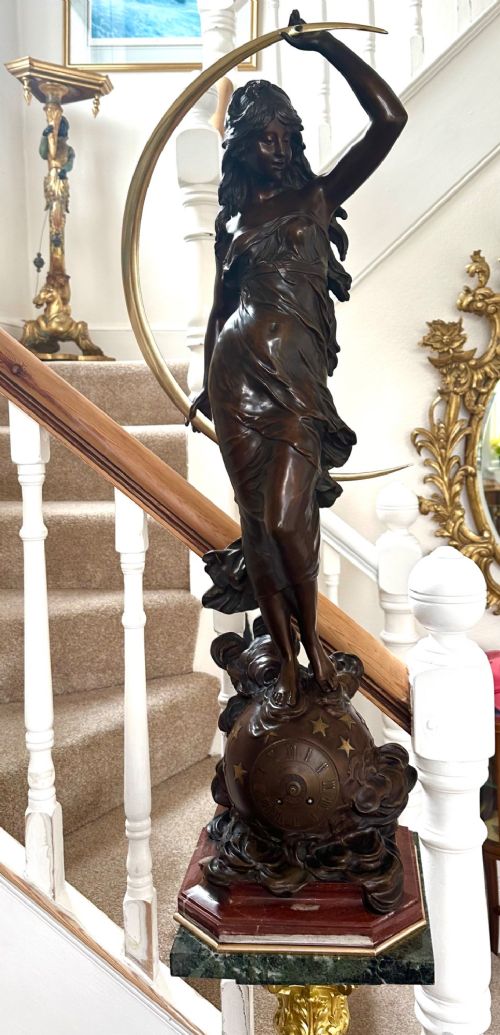


Auguste Moreau Bronze
An auguste moreau bronze brings 19th-century French sculpture into a room through figural works of mythological and classical subjects.
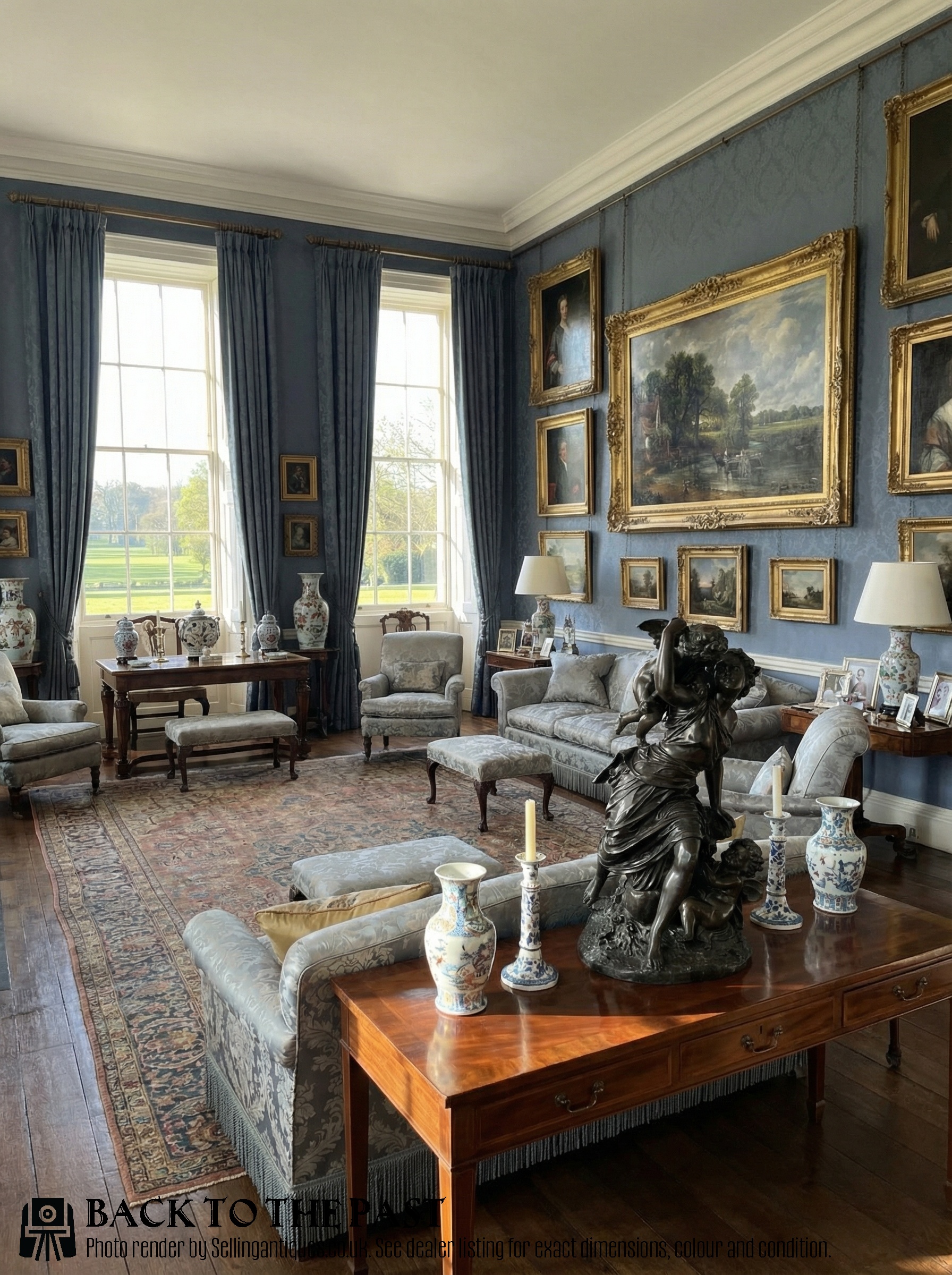
Auguste Moreau Bronze
When you search for an auguste moreau bronze, you encounter sculptural works spanning the 19th century and the Art Nouveau period. These pieces encompass free-standing figures, mantel clocks, and table lamps depicting mythological and allegorical subjects such as Selene, Cupid, and nymphs. The version most commonly met on this page is the 19th-century French figural sculpture cast in bronze or patinated metal.
The objects range from large statues of flute players and chariots to smaller table pieces and figural lamps. They reflect the output of the French sculptural tradition associated with the Moreau family, capturing graceful human forms in motion and repose. Collectors find works signed by the artist alongside period pieces produced after his designs.
How they were made
The pieces recorded in the evidence utilise bronze, spelter, and patinated metal, often mounted on marble or onyx bases. Founders applied patination ranging from dark tones to gilt and silvered finishes to accentuate the modelling of the figures. Cold painting also appears on selected pieces, adding polychrome detail to the metal surface.
Sculptural technique relies on casting from models created by the artist, followed by hand-chasing and finishing of the metal. Bases of stone provide weight and stability to the taller figural compositions and lamp assemblies.
Auguste Moreau Bronze Retail Price Guide 2026
Typical asking prices for auguste moreau bronze among the pieces listed under this phrase on Sellingantiques today, from the lower quarter to the upper quarter. They describe what is for sale here now, not the wider market.
Listings feature 19th-century French styles, Art Nouveau designs, and materials including bronze, spelter, marble, and onyx.
What varies in quality
Materials influence the character of the object, with genuine bronze casts holding greater sculptural fidelity than contemporary spelter or patinated metal alternatives. The depth and durability of the patination further separate standard production items from masterworks of the period.
Auguste Moreau·Louis Auguste Moreau
The Auguste Moreau Bronze Glossary
- Spelter
- A zinc alloy commonly utilised in 19th-century French manufacturing as a substitute for bronze. It often received a bronze or patinated finish to resemble the costlier metal.
- Patinated bronze
- Bronze that has been treated with chemical solutions to produce a specific surface colour and tone. This process protects the metal and defines the highlights of the sculpture.
- Cold painted
- A method where paint is applied to a cold metal object without subsequent firing. This technique appears on decorative figures and small bronzes.
- Art Nouveau
- An international style of art and architecture prevalent around 1900. It is characterised by fluid, organic lines and motifs derived from natural forms.
Auguste Moreau Bronze: Frequently Asked Questions
How do I identify a genuine signature?
Signatures appear cast or engraved directly into the base or body of the sculpture, matching the historical style of the Moreau family workshops.
Comparison with documented examples helps confirm authenticity against later casts or pieces produced after the original models.
Were these pieces originally lamps?
Certain figural sculptures were manufactured specifically as lamp bases during the 19th century, incorporating fittings for electrical or oil conversion.
Other pieces are pure statues that may have received electrical adaptation at a later date.
What is the difference between bronze and spelter?
Bronze is an alloy of copper and tin offering high durability and sharp casting detail. Spelter is a softer zinc-based material that feels lighter and shows less definition upon close inspection.
Pieces made of spelter often carry patinated finishes designed to imitate solid bronze.
How should I clean a patinated surface?
Dusting with a dry, soft cloth is sufficient for routine maintenance of patinated bronze and metal figures. Avoid abrasive cleaners and chemical polishes that strip the surface finish.
Preserving the original patina protects the historical integrity of the piece.