



Belle Epoque Bronze
Belle epoque bronze pieces capture late nineteenth and early twentieth century French elegance through patinated metal, gilt mounts and sculptural forms.
Belle Epoque Bronze
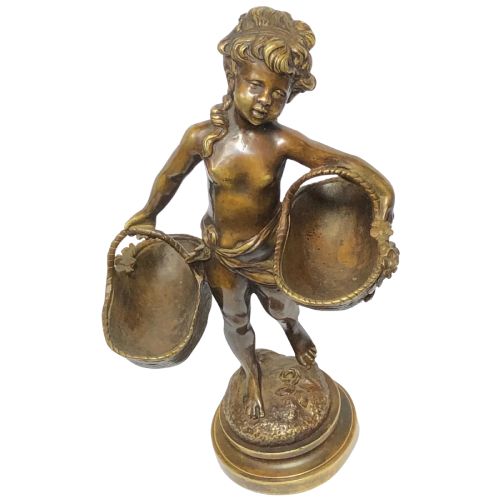
When you search for belle epoque bronze, you encounter sculptural works, lighting and mounted furniture from the late nineteenth and early twentieth centuries. These objects stem from French workshops spanning the Victorian and Edwardian eras, capturing the aesthetic of the period.
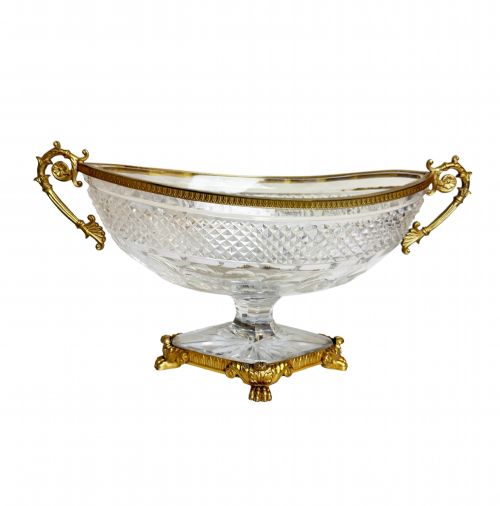
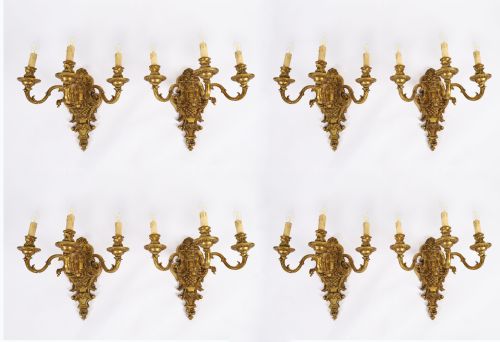
The selection ranges from figural busts and table lamps to centrepieces and mantel clocks. Many incorporate patinated bronze or gilt bronze alongside marble, crystal and kingwood.
Makers and artists of the era produced items reflecting French Chateau and Louis XVI styles, alongside Art Nouveau curves. Pieces bridge functional utility and decorative sculpture.
How they were made
Foundries and artisans utilised bronze, gilt bronze, ormolu and spelter as the primary metallic components for figures and mounts. These metals were cast and often finished with patination or fire gilding.
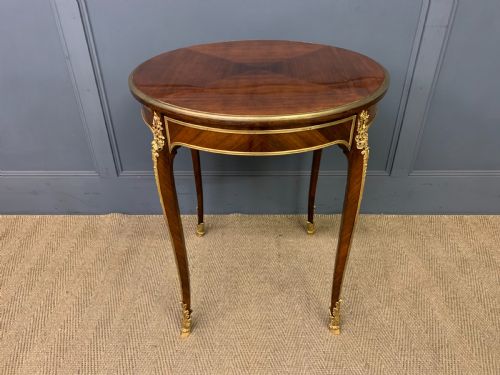
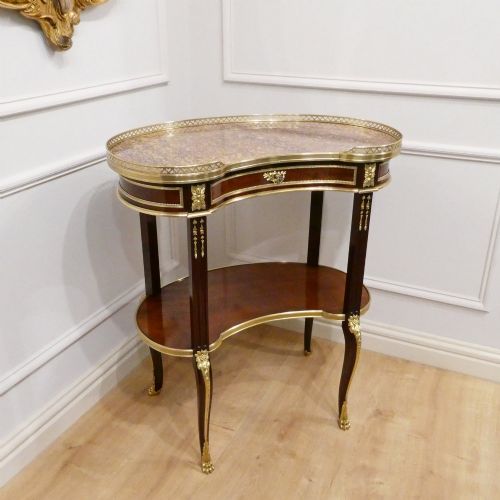
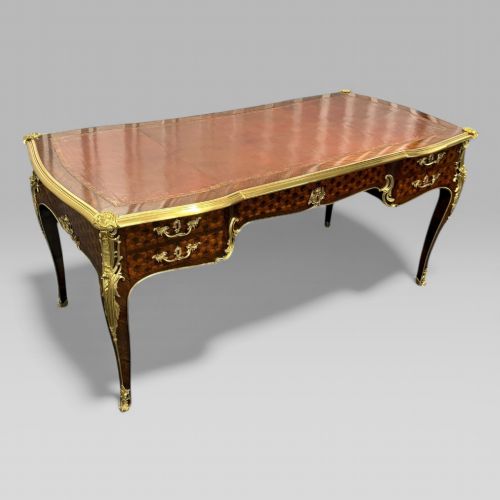
Wood elements such as kingwood and rosewood received parquetry inlay, whilst marble and crystal formed bases or structural bodies for lamps and clocks. Champlevé enamel and pâte-sur-pâte porcelain completed decorative surfaces.
Materials in this selection include bronze, gilt bronze, ormolu, marble, kingwood, brass, patinated bronze and spelter.
What varies in quality
The integration of secondary materials dictates overall merit. Pierced ormolu mounts, well-matched marble bases and precision in parquetry inlay demonstrate superior atelier standards.
Maison Millet·L & F Moreau·François Linke·Georges Van Der Straeten·G. Durand·Sylvain Kinsburger·Claudius Marioton·G.V. Vaerenbergh·Adrien Gaudez·Eutrope Bouret·Christofle et Cie·Henri Pernot·Daniel Dupuis
The Belle Epoque Bronze Glossary
- Ormolu
- Gilt bronze produced by applying a finely ground high-carat gold-mercury amalgam to a bronze object. This technique creates a rich golden surface finish typical of French decorative pieces.
- Spelter
- A zinc alloy used as a cost-effective alternative to bronze in manufacturing figures and lamp bases. It takes patination well but possesses a lighter weight and softer composition.
- Champlevé
- An enamelling technique where troughs or cells are carved into the metal surface and filled with vitreous enamel powder before firing. It frequently appears on clock garnitures and decorative trays.
- Parquetry
- Geometric wood mosaic work used for veneering furniture surfaces such as card tables and desks. Artisans arrange contrasting timbers like kingwood and rosewood in repeating patterns.
- Garniture
- A set of matching decorative objects designed to be displayed together, commonly comprising a mantel clock flanked by matching candelabra or vases.
Belle Epoque Bronze: Frequently Asked Questions
What defines belle epoque bronze?
These pieces represent late nineteenth and early twentieth century French decorative arts. They combine classical revival styles with Art Nouveau influences.
Craftsmen utilised bronze, gilt bronze and ormolu to create domestic items, lighting and sculptures that reflect Parisian luxury.
How were these bronzes used originally?
Owners displayed them in formal reception rooms and salons as symbols of status and taste. Mantel clocks, wall lights and centrepieces served both decorative and functional purposes.
Sculptural figures and table lamps provided ambient illumination and artistic focal points for bourgeois interiors.
How do I style these pieces at home?
Bronze figures and lamps integrate well into both traditional and contemporary interiors. Placing a centrepiece on a mahogany table or displaying a bust on a cabinet highlights the metalwork.
Allow sufficient lighting around gilt surfaces to accentuate the patination and chased details.
How do I tell bronze from spelter?
Bronze exhibits greater weight, a resonant sound when struck lightly, and deeper cold-cast detail retention. Spelter feels noticeably lighter and softer.
Examining the underside or areas of wear often reveals a greyish metal beneath the surface finish on spelter pieces.