
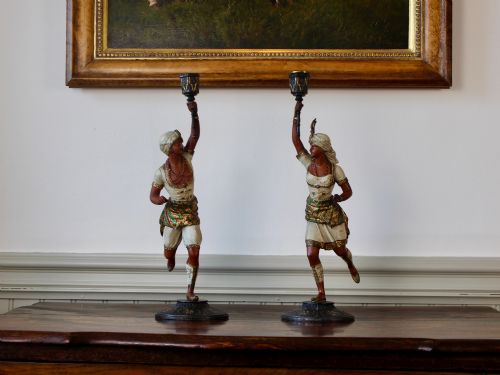


Polychrome Bronze Statue
These polychrome bronze statue examples combine cast metal with applied colour, capturing the theatrical tastes of the late nineteenth and early twentieth centuries.
Polychrome Bronze Statue
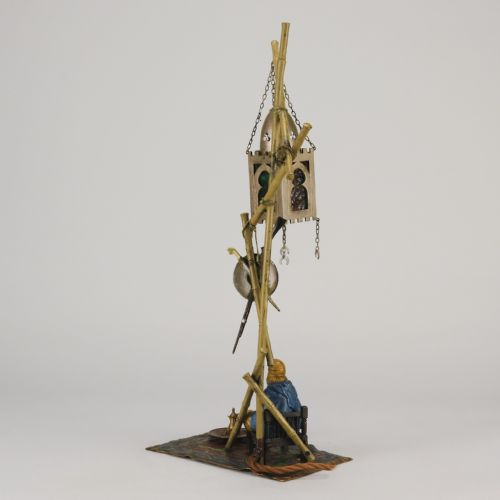
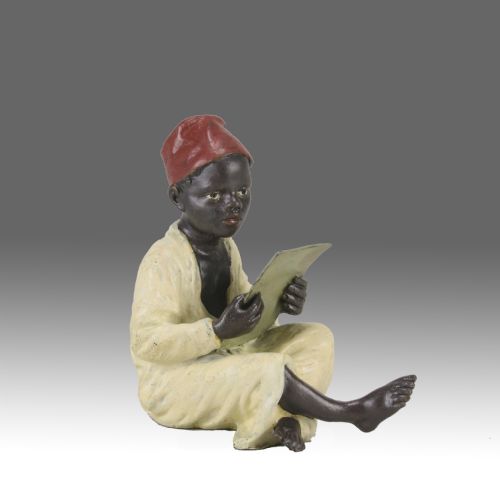
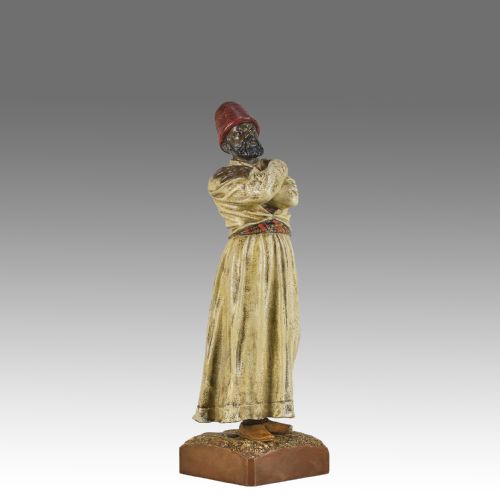
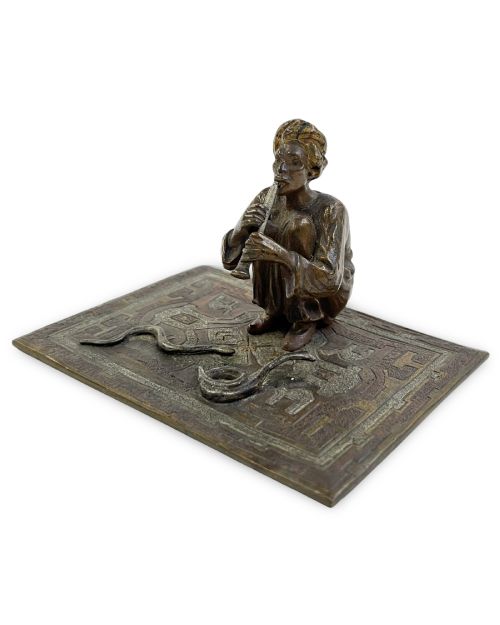
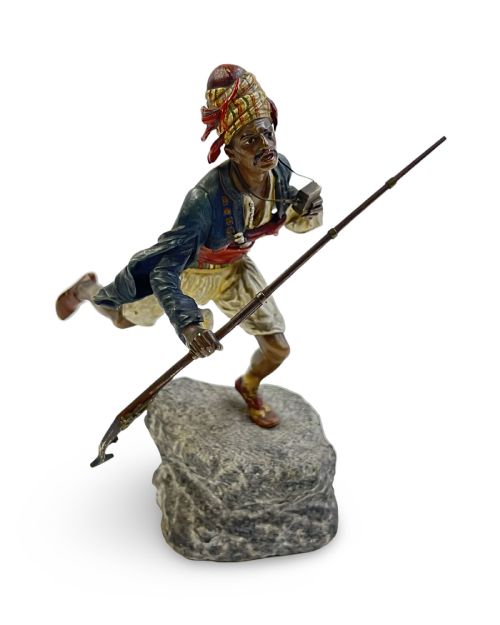
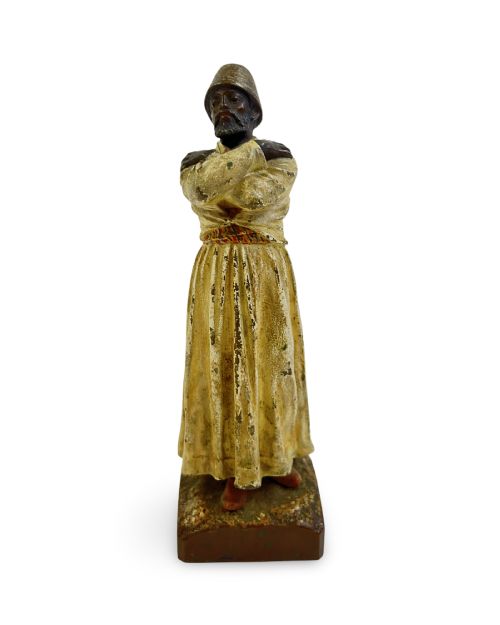
When searching for a polychrome bronze statue, buyers encounter figures originating predominantly from the late nineteenth and early twentieth centuries. These works include sculptural depictions of human figures, birds, and narrative scenes styled in Orientalism, Art Nouveau, and Vienna Bronze traditions.
The dominant form on this page is the cold-painted bronze, particularly Austrian works produced in Vienna. Figures range from table lamps and candlesticks to small statuettes and larger portrait busts executed in bronze, spelter, and terracotta.
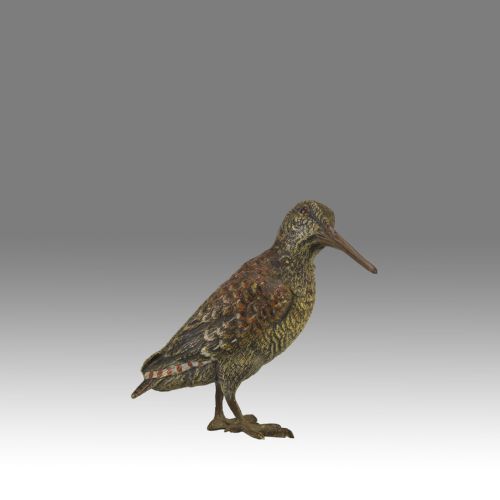
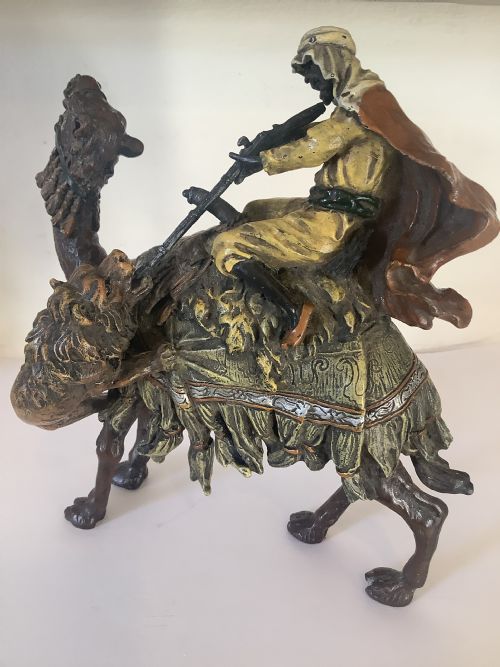
Subjects frequently reflect European fascination with foreign cultures, showing Arab figures, warriors, and dancers alongside domestic or natural subjects such as pheasants and woodcocks. Pieces span the Victorian era through the 1920s, reflecting diverse international manufacturing centres.
How they were made
Maker workshops utilised traditional metalcasting techniques to produce the primary form in bronze or spelter before applying decorative finishes. Artisans then applied cold paint, enamel paint, or polychrome pigments directly onto the metal surface without subsequent firing.
Makers also worked with alternative sculptural media, employing terracotta for life-size portrait busts and figural sculptures. These varied material choices allowed workshops to replicate intricate detail across different scales, from small cabinet figures to substantial decorative items.
Listings feature works from the Victorian era up to the 1920s, executed in bronze, spelter, terracotta, and polychrome paint.
What varies in quality
Durability of the applied polychrome surface influences the overall integrity of the piece, as unbaked cold paint remains susceptible to flaking over time. Retained original pigment layers in strong condition distinguish premier examples from those requiring restoration.
Franz Bergman·Arthur Waagen·Pietro Calvi·Louis Hottoot·Goldscheider
The Polychrome Bronze Statue Glossary
- Cold-painted bronze
- A metal sculpture finished with paint applied without firing the piece in a kiln after painting. This technique was widely utilised by Austrian foundries.
- Spelter
- A zinc alloy commonly utilised as a less expensive alternative to bronze for figural castings. It is softer and typically heavier in zinc content.
- Orientalism
- An artistic style characterised by depictions of Middle Eastern and North African subjects and architecture. It flourished across European sculpture during the nineteenth century.
- Vienna bronze
- Small, highly detailed metal sculptures produced in Austrian workshops, particularly noted for realistic cold-painted surfaces. They often depict human figures, animals, or narrative tableaux.
Polychrome Bronze Statue: Frequently Asked Questions
What is a cold-painted bronze?
A cold-painted bronze is a metal sculpture decorated with paint applied directly to the cold metal surface rather than fired in a kiln.
This method allows for vibrant polychrome details, though the paint remains more delicate than traditional enamels.
How do I care for polychrome surfaces?
Polychrome surfaces require gentle dusting with a soft dry cloth and protection from direct sunlight and moisture.
Avoid using liquid cleaners or chemical polishes, which can strip the fragile applied pigments from the metal.
What are spelter candlesticks?
Spelter candlesticks are figural lighting supports cast from a zinc alloy rather than traditional copper-and-tin bronze.
They offer similar decorative detail to bronze but generally display a lighter weight and softer structural properties.
What is Orientalist sculpture?
Orientalist sculpture encompasses nineteenth-century works depicting themes, people, and architecture from the Middle East and North Africa.
These pieces reflect European artistic interpretations of foreign cultures during the Victorian and Edwardian periods.