
Painted Bronze Ornament
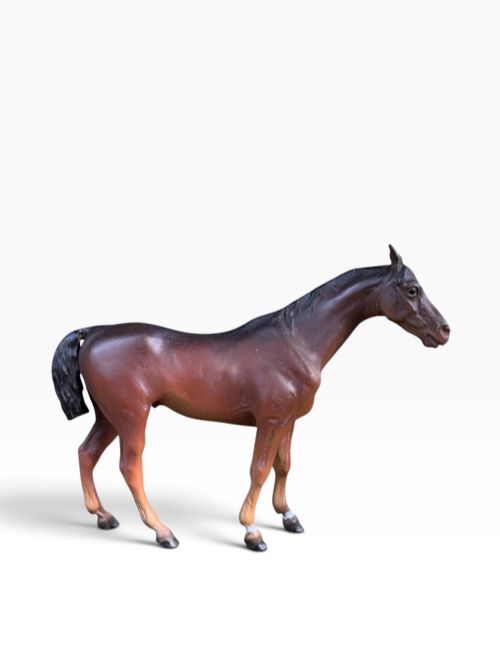
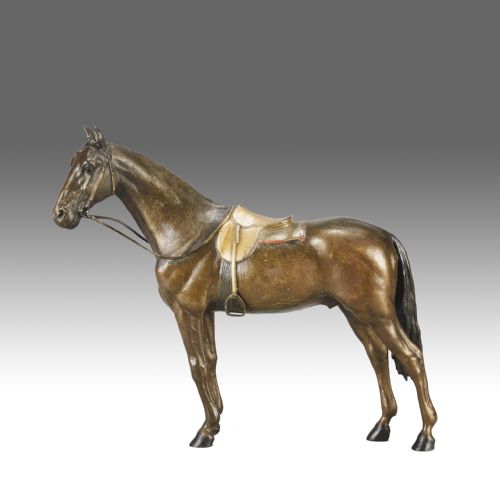
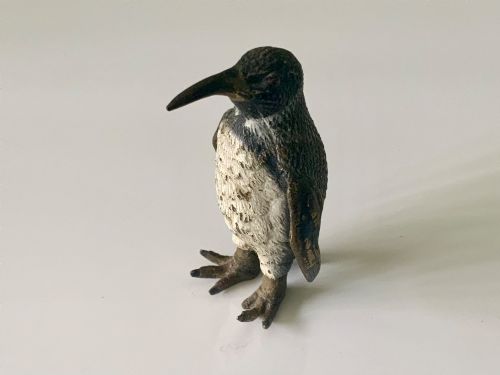
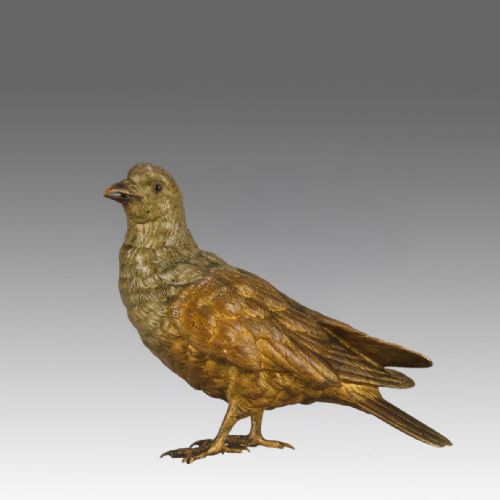
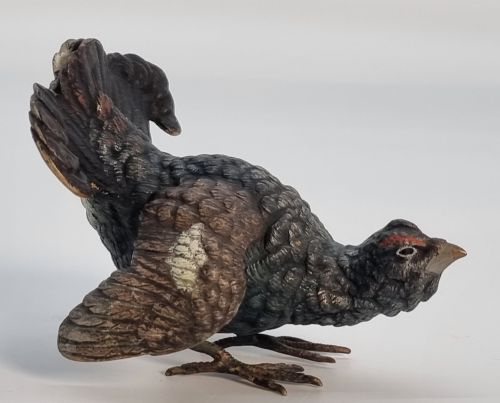
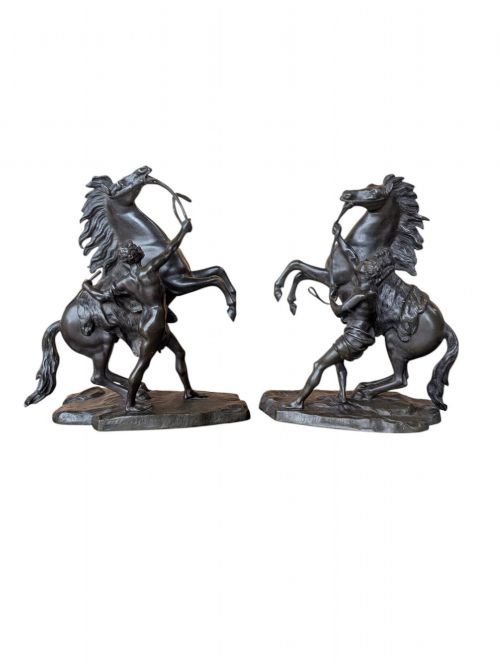
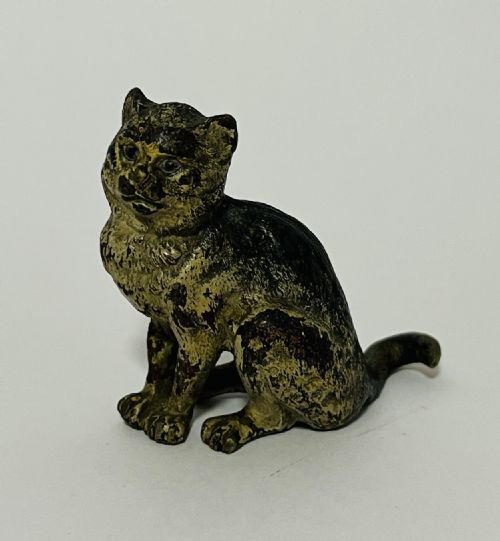
These painted bronze ornament pieces bring miniature animals, human figures and whimsical subjects into focus through intricate colour.
Painted Bronze Ornament
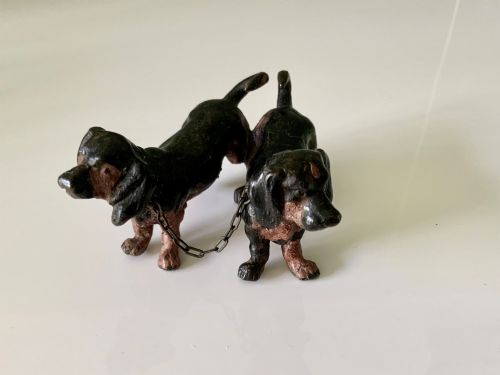
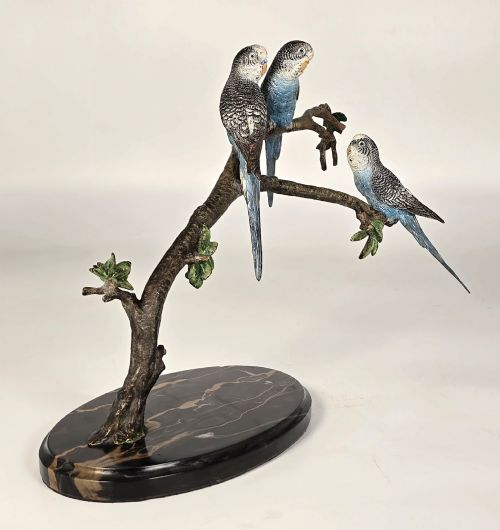
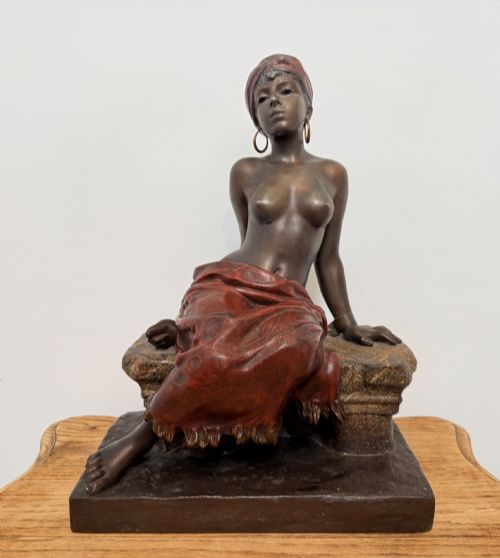
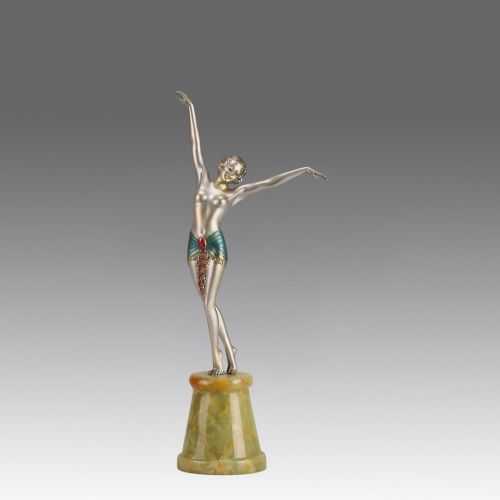
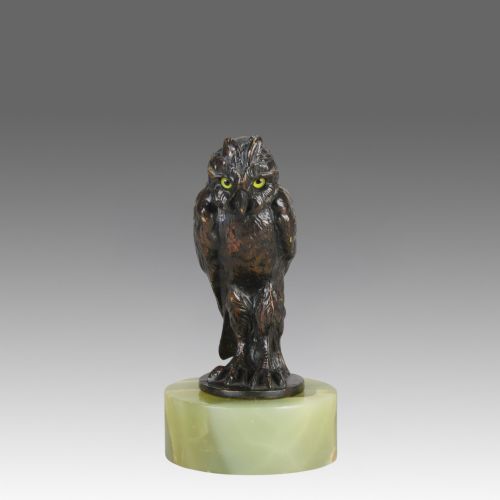
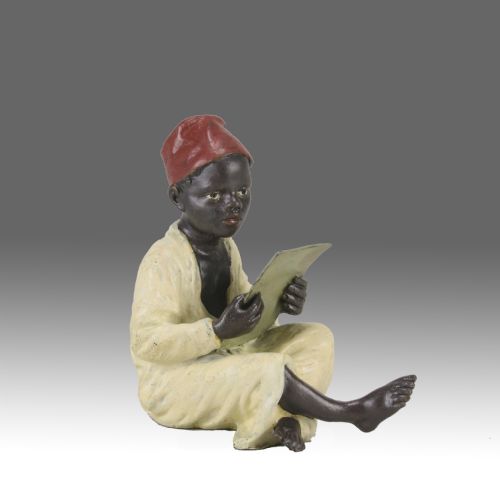
A painted bronze ornament takes many forms, ranging from detailed animal figurines and birds to human figures and dancers originating from the nineteenth and early twentieth centuries. When you search for this phrase, you encounter works spanning the Victorian period through the Art Deco era, with Austrian and Vienna bronze workshops providing a large portion of the figures. Common subjects include dogs, birds, human figures, and figurative studies mounted on marble or onyx bases.
The selection here includes diverse pieces such as small animal studies, dancers, and figural groups designed as decorative cabinet objects or desk items. Many figures originate from specific European schools, particularly Vienna, where animal studies and orientalist subjects flourished around nineteen hundred. You also find larger sculptures and figures associated with the Art Deco period, often pairing metalwork with stone bases.
Materials and construction methods
The primary material is cast bronze, though some pieces utilise spelter as an alternative metal base for figures from the Art Deco period. Craftsmen cast the metal into detailed moulds before applying paint by hand, frequently using a cold-painting technique where pigment adheres to the unheated metal surface. Certain figures are mounted directly onto bases made of green onyx or marble to provide stability and visual contrast.
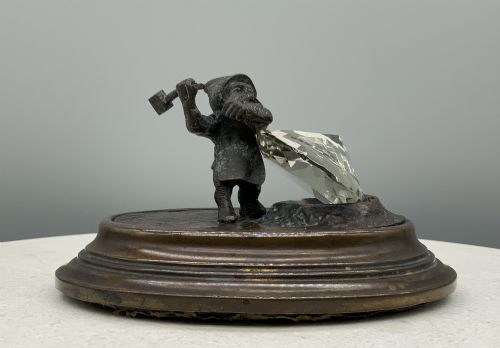
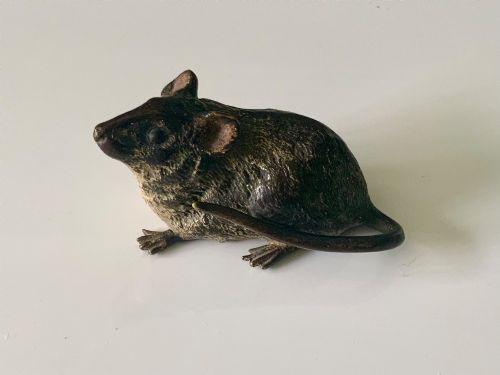
Several miniature bronzes depict unexpected domestic moments, including a dwarf miner holding a giant crystal diamond and mice peering out from corners.
Quality variations in painted bronze ornament pieces
Quality rests upon the crispness of the initial bronze casting and the precision of the hand-applied paintwork. Finer examples display intricate chisel work and lifelike detailing in feathers or facial expressions before any pigment touches the metal. Inferior pieces rely on thick paint layers to obscure soft casting details and indistinct contours.
The integrity of the cold-painted surface dictates much of the desirability among collectors. Original paint surfaces showing minimal loss demonstrate superior preservation compared to items with extensive overpainting or flaking pigment. Additionally, the presence of a signature, Bergman stamp, or an original stone plinth elevates the standard of a piece.
Franz Bergman·Josef Lorenzl·E Villanis·Paul Philippe·Jennings Brothers
The Painted Bronze Ornament Glossary
- Cold-painted bronze
- A method where pigment is applied to a cast bronze object without the application of heat. This technique produces matte surfaces with high detail.
- Vienna bronze
- Small, highly detailed bronze figures produced by Austrian foundries during the late nineteenth and early twentieth centuries. These pieces often depict animals, humans, and orientalist scenes.
- Spelter
- A zinc alloy used as a cheaper substitute for bronze in the manufacture of decorative figures. It is softer and lighter than genuine bronze.
- Cassolette
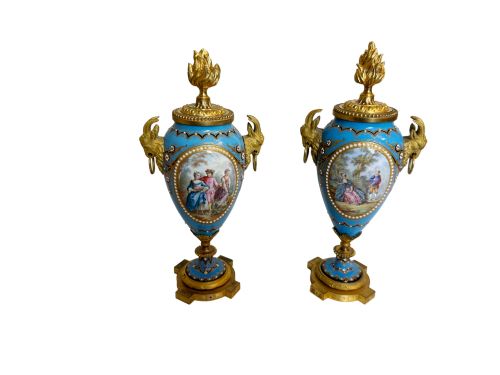
- A decorative vessel that can function as a perfume burner or vase, often fitted with a reversible lid. Pairs frequently appear in Victorian decorative arts.
- Onyx base
- A polished stone plinth used to mount bronze sculptures and figurines. It provides weight and a contrasting colour to the metalwork.
Painted Bronze Ornament: Frequently Asked Questions
What is cold-painted bronze?
Cold-painted bronze refers to metal sculptures painted by hand without firing the pigment onto the surface. This technique allows for subtle shading and intricate details on small figures.
Over time, the unheated paint remains delicate and can show wear, making surviving original surfaces particularly valued by collectors.
How do I clean my painted bronze ornament?
Dusting gently with a soft, dry brush is the safest method for maintaining these pieces. Avoid using water, chemical cleaners, or polishes, as these substances strip the fragile cold-painted surface.
Keeping the ornament away from direct sunlight also prevents the original pigments from fading over the years.
Are these figures solid bronze?
Many items are cast in solid bronze, though some figures from the twentieth century utilise hollow casting to save weight and material. Certain listings also feature spelter, an alternative metal alloy.
Examining the underside or base often reveals the weight and metallic composition of the piece.
Why are some figures mounted on stone?
Stone bases made of green onyx or marble provide physical stability for figures with narrow feet or dynamic poses. These plinths also add a distinct decorative element that complements the metallic finish of the sculpture.
Many Art Deco and early twentieth-century pieces incorporate these stone elements as an integral part of the design.