




Stone Plant Display
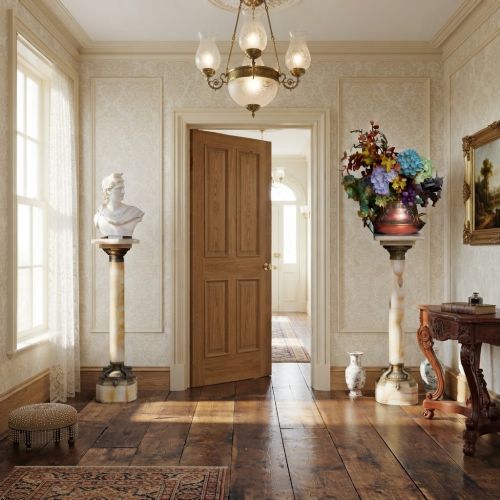
These stone plant display pieces are substantial columns, pedestals, and plant stands designed to elevate botanicals, drawing mostly from the nineteenth century.
Stone Plant Display
A stone plant display takes the form of a pedestal, column, plinth, or plant stand designed to elevate botanical specimens in an interior or architectural setting. When you search this phrase, you encounter heavy structural supports rather than delicate flora holders.
The pieces on this page lean heavily into nineteenth-century production, alongside iterations from the early decades of the twentieth century. Forms range from low columns and square plinths to tall torcheres and multi-tiered stands.
Origin points visible in the inventory include French and Italian workshops, often channeling classical design vocabularies. Buyers frequently meet single columns, matched pairs, or architectural salvage adapted for display.
How they were made
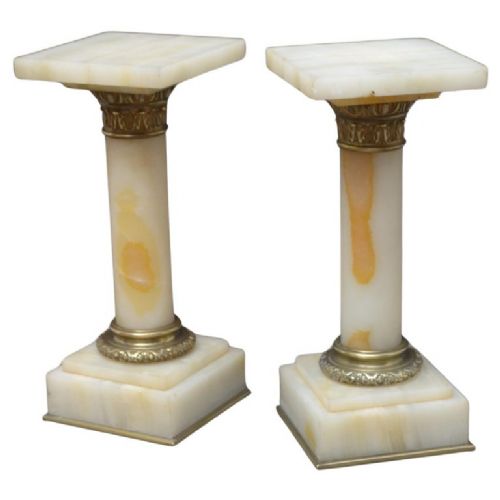
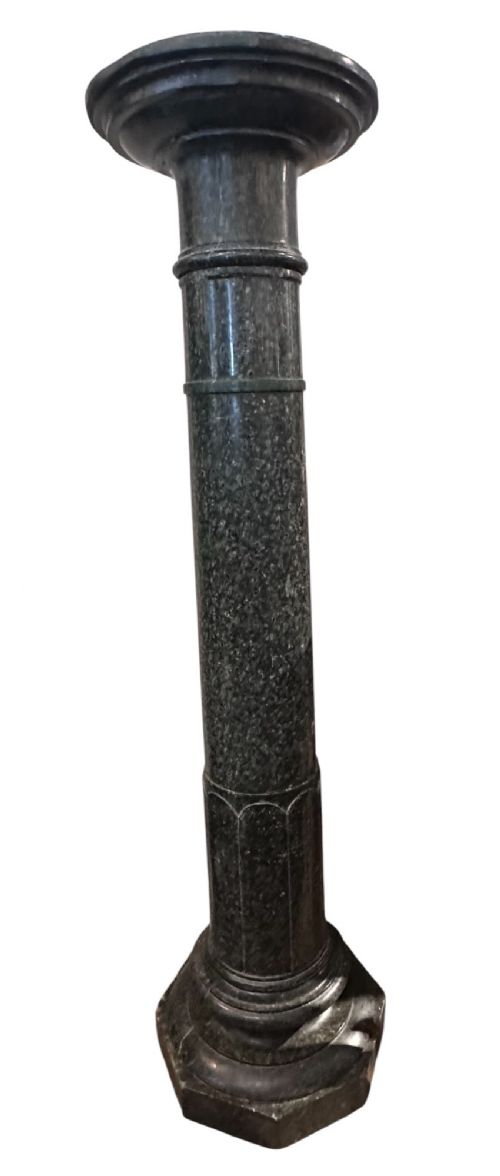
Makers shaped these supports from dense geological materials including various marbles, alabaster, onyx, and stoneware, frequently turning them on lathes or carving them by hand. Specific stones like Arabescato, Verde Antico, Serpentine, and Carrara marble appear alongside scagliola.
Metal components play a structural and decorative role, integrating brass, ormolu collars, and gilt bronze mounts to cap or connect stone sections. These metallic elements add weight and structural contrast to the mineral shafts.
Some nineteenth-century columns secretly wished they were French chateau architecture all along.
What varies in quality
The selection of raw mineral material dictates the visual impact, distinguishing common stone from highly figured marbles with distinct veining or translucent alabaster. Superior examples utilise rich geological varieties such as Verde Antico or heavily marked onyx.
Execution of the carved detail and the integration of metal mounts mark the upper tier of production. Fine turning, crisp architectural capitals, and heavy ormolu collars separate standard utility columns from ambitious decorative pieces.
The Stone Plant Display Glossary
- Pedestal
- A structural support or base for a statue, vase, or plant. These items usually feature a defined capital and base.
- Ormolu
- Gilt bronze mounted onto furniture or decorative objects. This technique adds a bright metallic finish to stone shafts.
- Scagliola
- A composite material made from selenite, glue, and pigments, mimicking true marble. It allows for smooth, colourful architectural columns.
- Torchere
- A tall stand originally designed to hold a light source, later adapted for display. These pieces offer significant vertical height.
- Plinth
- A heavy flat-bottomed slab or block serving as a base. Square versions appear frequently among the listed supports.
Stone Plant Display: Frequently Asked Questions
Can these hold heavy plants?
These stone and marble columns provide immense load-bearing capacity due to their dense mineral composition. They were built to support substantial weight without tipping.
Heavier pots sit securely on the broad capitals of nineteenth-century pedestals and architectural columns. Balance depends primarily on the width of the top surface rather than the material itself.
Where should I place a pedestal?
Placing these supports in corners, hallways, or near windows creates focal points for interior greenery. Their vertical stature draws the eye upward.
Ensure the floor surface remains level, as heavy stone columns require a stable foundation. Avoid high-traffic pathways where accidental impacts might occur.
How do I identify marble types?
Examining the veining and colour variation helps distinguish stones like Carrara, Verde Antico, or Arabescato. Each variety possesses unique geological patterns.
Lighting plays a key role when observing translucency in alabaster or onyx components. Consultation with detailed visual evidence clarifies specific regional origins.
Are pairs common in these listings?
Matched pairs appear frequently among nineteenth-century columns and pedestals, often originating from grand European interiors. They offer symmetry for flanking doorways or fireplaces.
Single stands also populate the inventory for standalone botanical displays. Pairs generally command higher interest among collectors seeking balanced arrangements.