







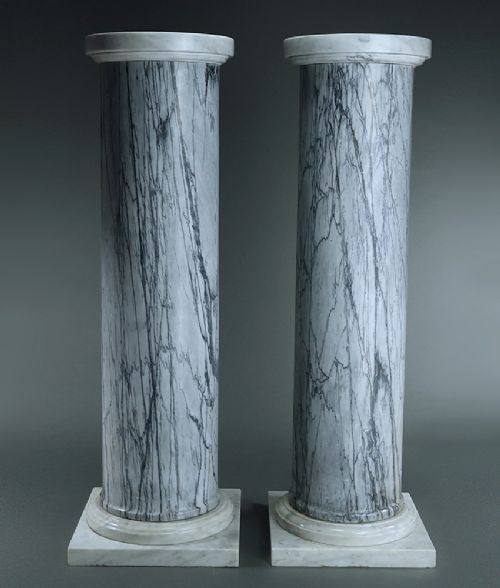
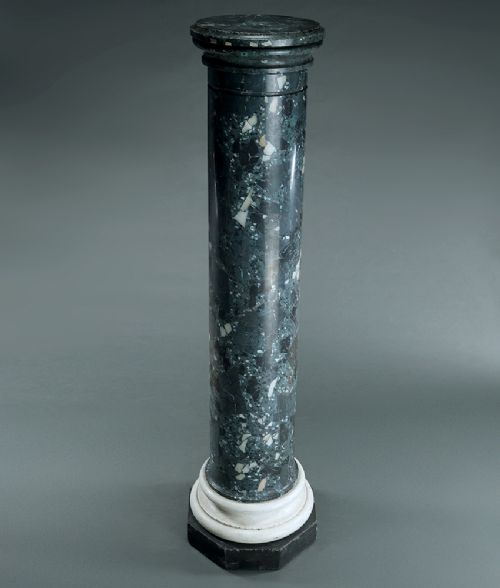
Classical Display Pedestal
A classical display pedestal elevates a bust or vase, bringing architectural presence and height to a room.

Classical Display Pedestal
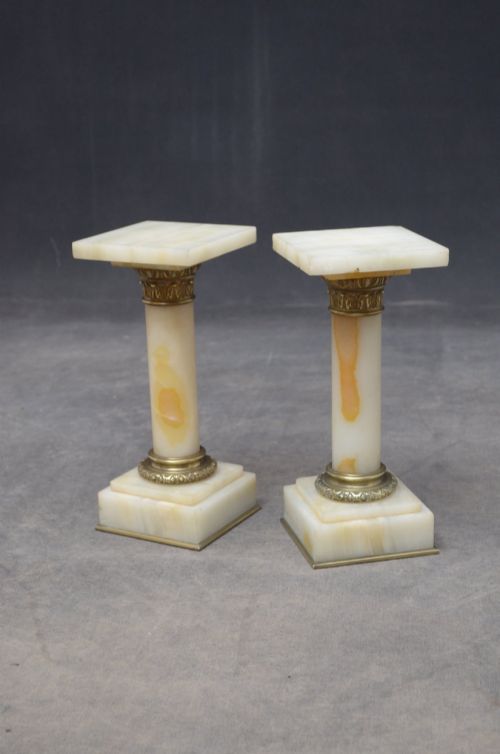
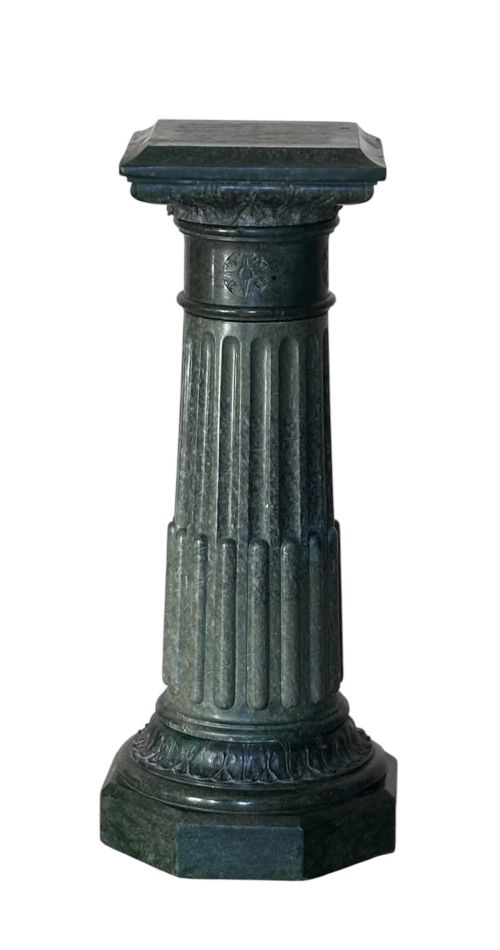
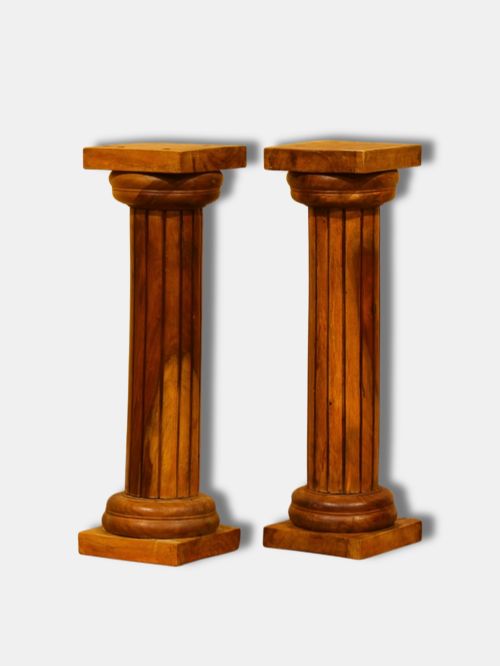
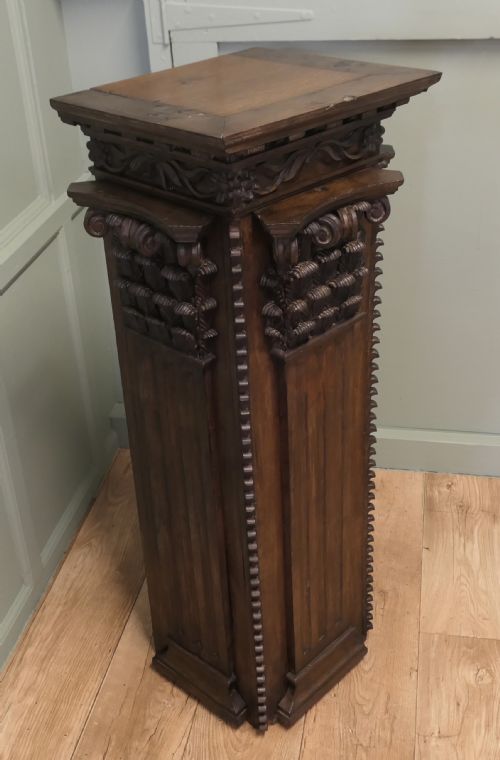
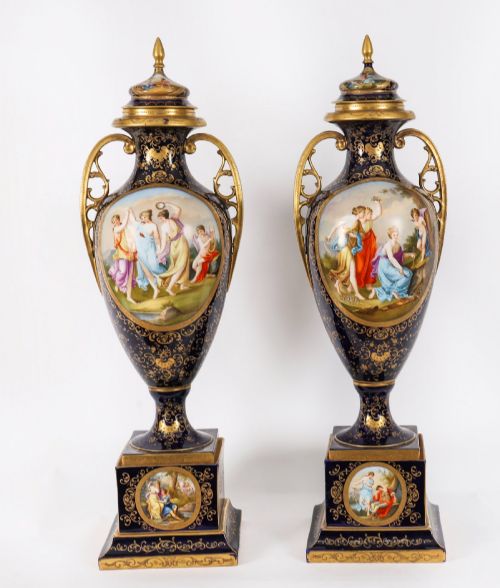
A classical display pedestal serves to elevate sculptures, vases, and urns within a room, adding architectural presence and height. When searching for a classical display pedestal, buyers encounter columnar forms derived from ancient architectural orders, designed to showcase decorative objects rather than bear structural loads.
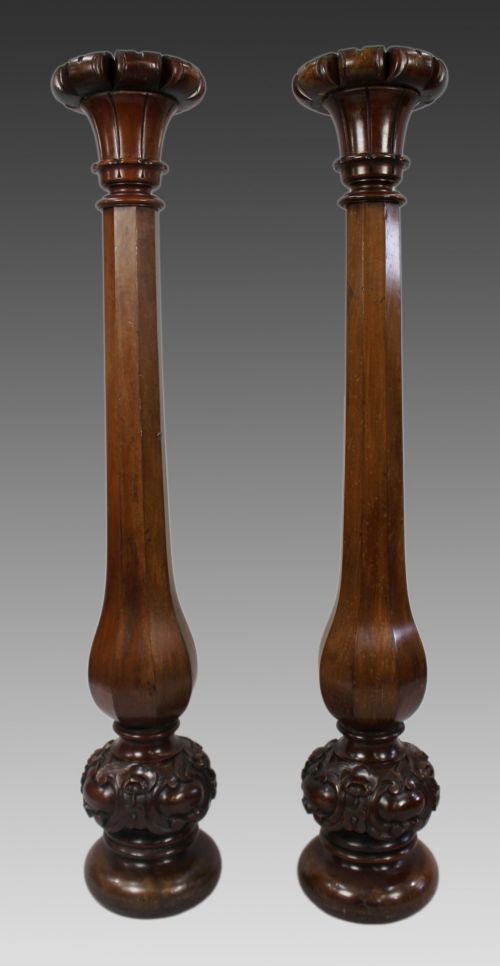
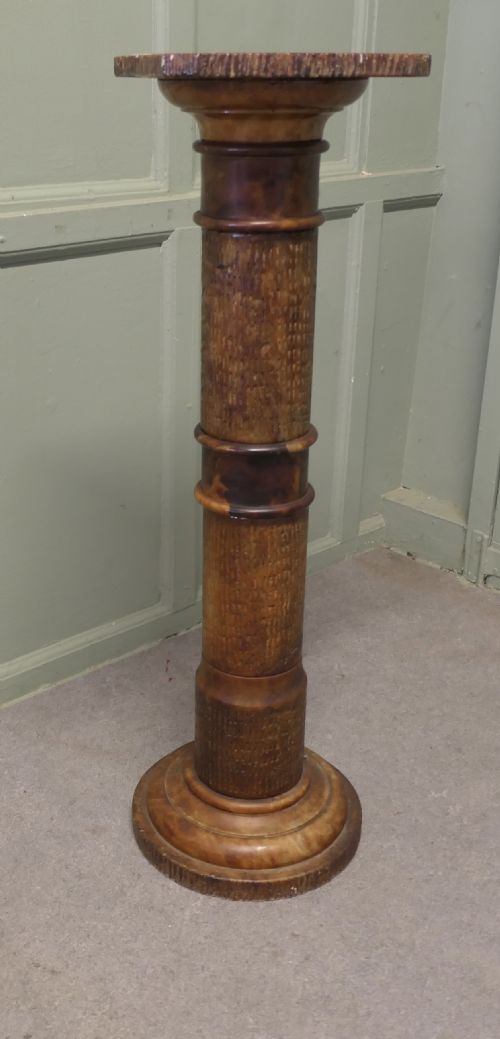
The pieces appearing most frequently take the form of columns and torchere stands rooted in the nineteenth century, utilising materials from solid hardwoods to variegated stone. These structural supports draw upon Neoclassical, Victorian, and Regency design vocabulary to create vertical focus in an interior.
Materials and Construction
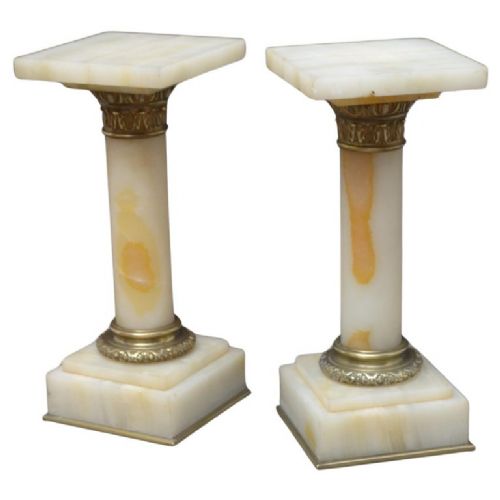
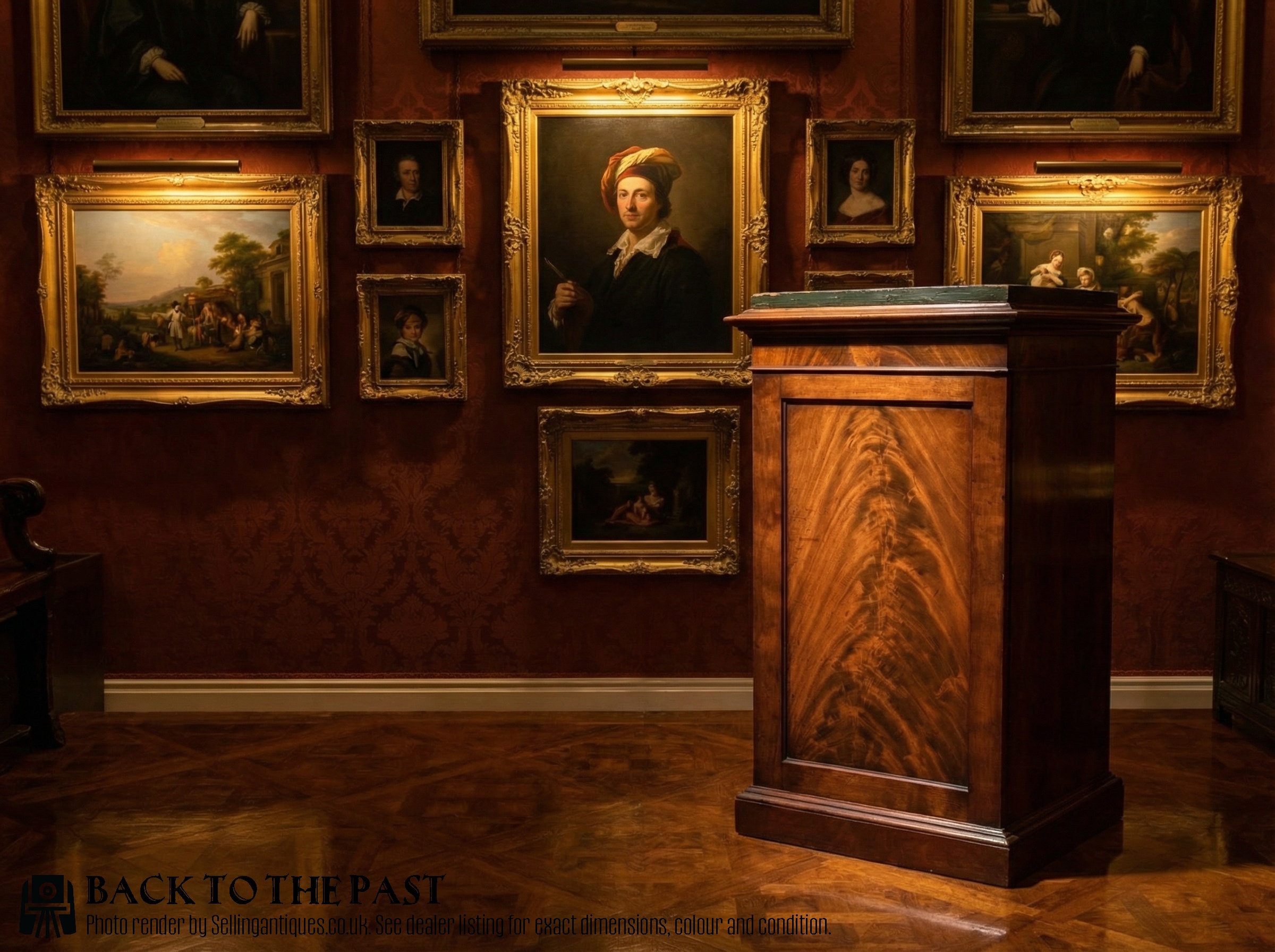
Carving and turning form the foundation of these columns, whether executed in dense hardwoods such as mahogany and oak or shaped from solid blocks of marble, onyx, and alabaster. Surface treatment frequently involves painterly deception, with grain painted pine and faux marble finishes imitating rarer stones.
Ormolu collars, bronze mounts, and cast brass elements provide structural accents and decorative punctuation to stone and timber shafts alike. Scagliola and painted plaster offer alternative methods for achieving the weight and appearance of monolithic marble.
Classical Display Pedestal Retail Price Guide 2026
Typical asking prices for classical display pedestal among the pieces listed under this phrase on Sellingantiques today, from the lower quarter to the upper quarter. They describe what is for sale here now, not the wider market.
Design influences draw primarily upon Neoclassical, Regency, and Victorian revivals spanning the nineteenth and early twentieth centuries.
Assessing Quality and Execution
Material selection divides standard utility columns from exceptional decorative examples, particularly where flawless natural veining in marble and onyx or deeply figured mahogany is concerned. The integrity of the turning and the crispness of carved details reveal the hand of the maker.
The integration of cast bronze or ormolu mounts separates superior works from simpler iterations, as does the authenticity of aged painted surfaces such as faux marble and grain painting. Proportions matter greatly, with slender shafts requiring balanced, weighted bases to remain stable.
The Classical Display Pedestal Glossary
- Torcheres
- Tall, slender stands originally designed to carry lighting or cressets in grand interiors. They now function primarily as pedestals for urns and plants.
- Scagliola
- A composite material made from selenite, glue, and pigments, beaten into a mould to imitate marble and other fine stones. It allows for seamless column shafts without natural fissures.
- Ormolu
- Gilded bronze mounts applied to furniture and decorative objects for enrichment. The technique involves mercury amalgamation on cast bronze.
Classical Display Pedestal: Frequently Asked Questions
What were classical display pedestals used for?
These supports held bronze figures, marble busts, porcelain urns, and large floral arrangements in domestic reception rooms.
Elevating these objects brought them to eye level, allowing guests to examine fine details without bending down.
How do I choose the right height?
Consider the height of the object placed on top in relation to the eye level of people standing in the room.
Taller columns work best in large spaces with high ceilings, while shorter pedestals suit smaller decorative items.
Are marble columns extremely heavy?
Solid stone columns possess significant weight and require careful placement on stable, level flooring to prevent tipping.
Some nineteenth-century examples utilise hollow construction or timber cores with scagliola surfaces to reduce overall mass.
How do I distinguish faux marble from real stone?
Examining the surface closely under good light reveals the painted brushstrokes or lack of natural coldness inherent in stone.
Faux marble painted pine and plaster were popular alternatives used to achieve a grand aesthetic at a reduced weight.