


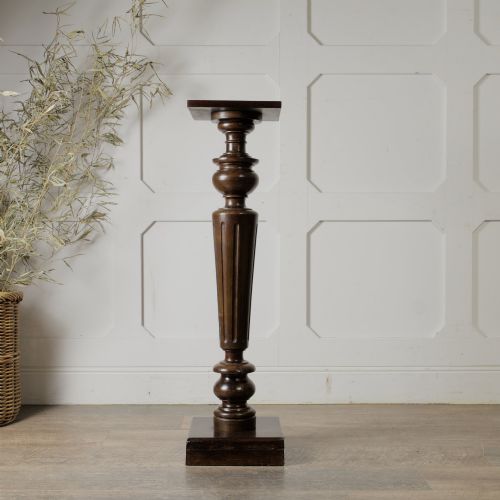


Mahogany Display Plinth
A mahogany display plinth elevates a sculpture, vase or urn so it commands the room.
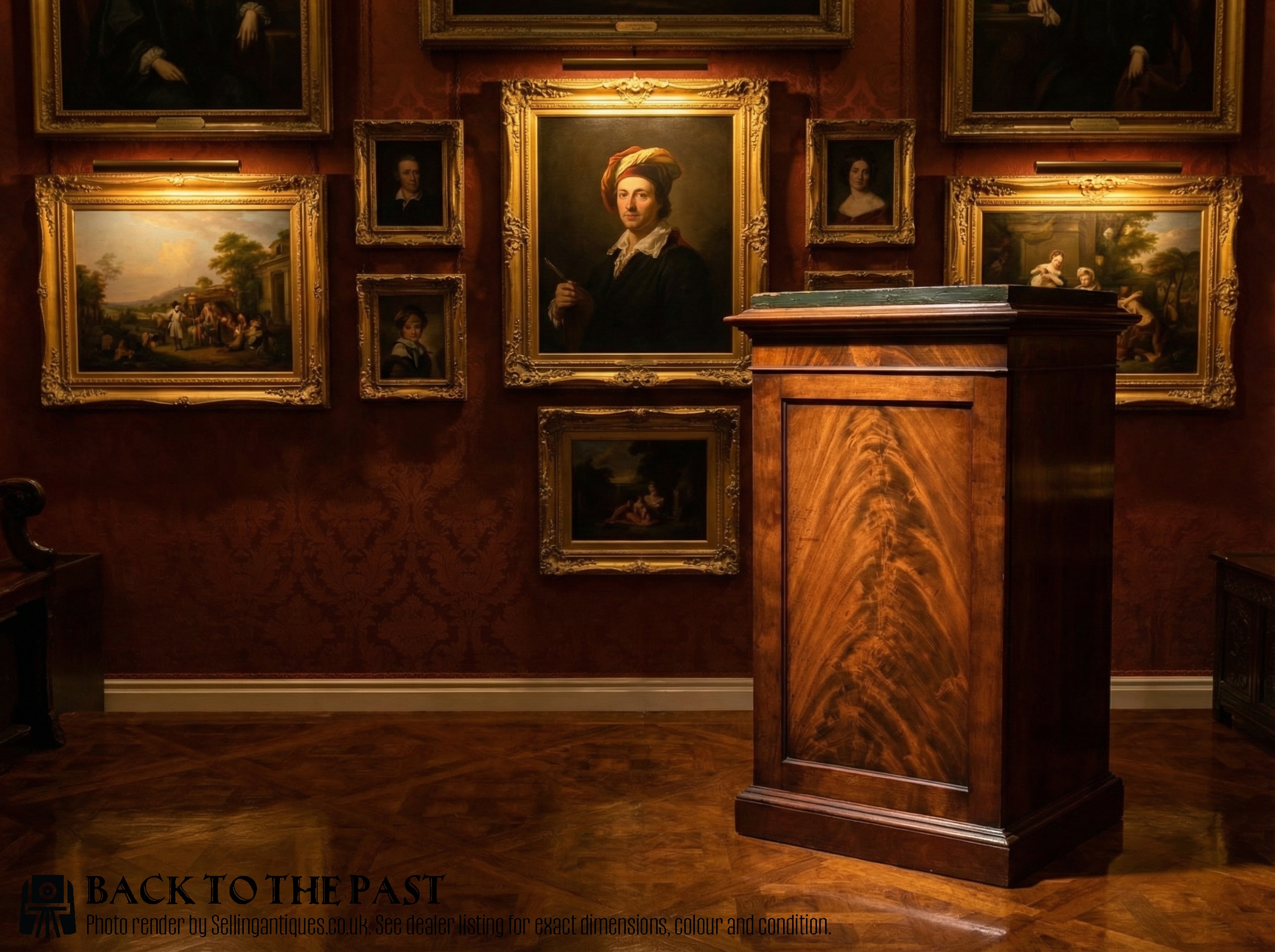
Mahogany Display Plinth
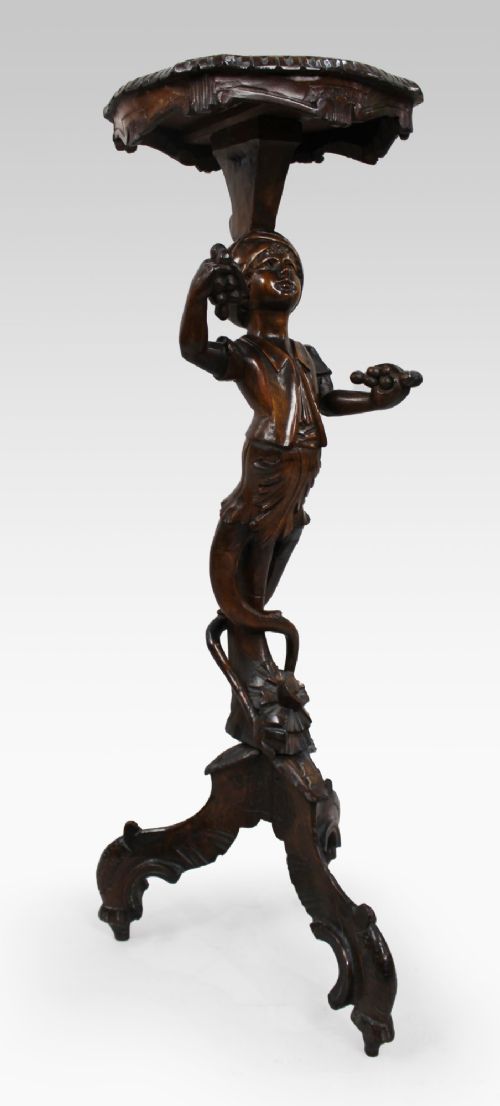
A mahogany display plinth stands as a sturdy architectural column, pillar or cabinet designed to showcase fine objects at eye level. When searching for a mahogany display plinth, buyers encounter forms ranging from simple turned stands to neoclassical columns and enclosed pedestal cabinets.
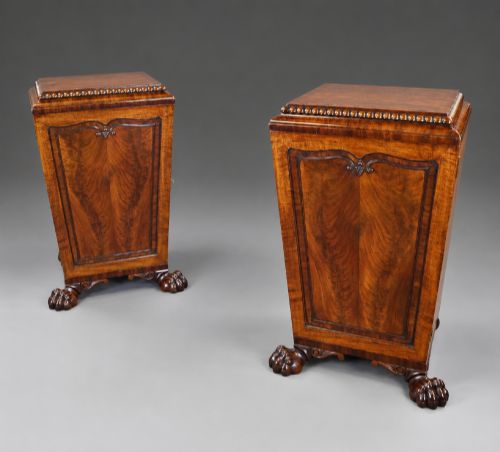
The pieces on this page span the nineteenth century through the early twentieth century, taking shapes such as hexagonal cabinets, tapered columns and open stands. Victorian and Edwardian examples dominate the selection, alongside earlier Georgian forms.
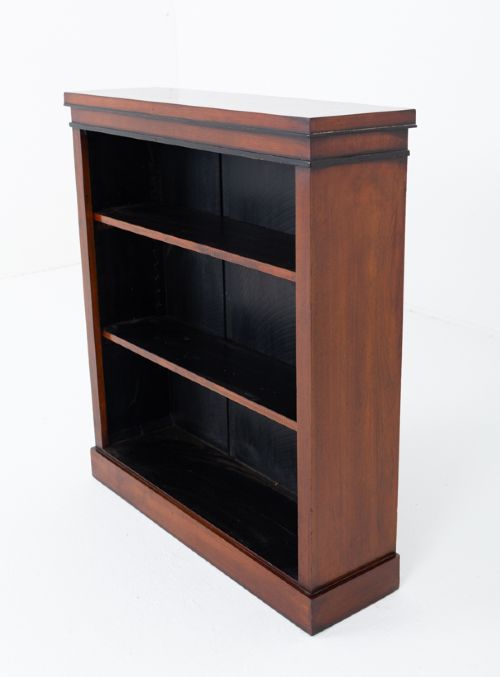
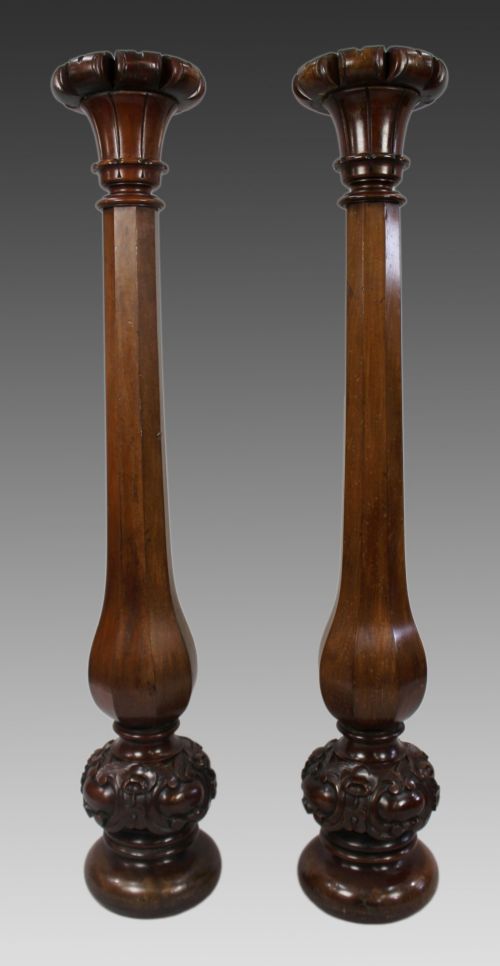
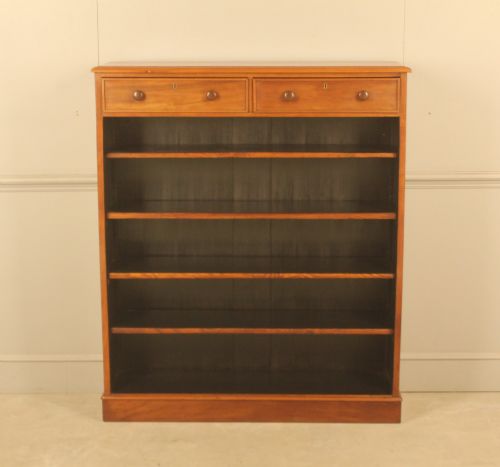
Many items appear as matched pairs, suited for framing a doorway or supporting balanced decorative arrangements. Alongside dedicated display pedestals, related forms like tall open bookcases and portico stands share the same structural purpose.
Assessing quality and craftsmanship
Quality rests in the selection of the mahogany timber and the crispness of the turning or carving. Superior examples show thoughtful grain alignment and stable, solid construction capable of bearing heavy stone or bronze items.
Mahogany Display Plinth Retail Price Guide 2026
Typical asking prices for mahogany display plinth among the pieces listed under this phrase on Sellingantiques today, from the lower quarter to the upper quarter. They describe what is for sale here now, not the wider market.
Certain nineteenth-century pedestals include secret compartments, hiding valuables beneath the display surface.
The Mahogany Display Plinth Glossary
- Plinth
- A heavy base or lower block supporting a column, statue or display stand. It provides stability and visual weight to the structure above.
- Pedestal
- An upright architectural support used to elevate an urn, bust or decorative object. Pedestals can be circular, square or multi-sided in plan.
- Neoclassical
- A style drawing on classical Greek and Roman architecture, characterised by clean lines, columns and restrained ornamentation. It frequently appears in nineteenth-century furnishings.
- Portico
- An architectural framework or porch structure adapted here into heavy display stands. These pieces often incorporate robust materials like iron alongside timber.
- Turned
- Shaped on a wood lathe by rotating the timber against cutting tools to create cylindrical, baluster or column profiles. This technique forms the shafts of many stands.
Mahogany Display Plinth: Frequently Asked Questions
What is a mahogany display plinth used for?
These pieces function as elevated platforms for sculptures, vases, urns and decorative objects. They lift items off the floor to draw the eye and highlight specific pieces within a room.
Historically, they also served as functional cabinets or bedside pot cupboards while maintaining an architectural presence.
How do I date a mahogany display plinth?
Dating relies on observing stylistic markers, timber characteristics and construction techniques. Pieces from the Georgian period often display restrained classical proportions, while Victorian and Edwardian examples incorporate heavier turning or revival styles.
Comparing the primary mahogany wood and secondary timbers like pine helps confirm the era of manufacture.
Are these plinths strong enough for heavy items?
Solid mahogany construction and heavy timber cores provide robust support for substantial decorative objects. Many nineteenth-century examples were built specifically to bear heavy marble tops or cast bronze sculptures.
Checking the base footprint and structural integrity ensures a stable platform for valuable display items.
What is the difference between a column and a cabinet pedestal?
A column pedestal consists of an open shaft and capital designed solely to support an object at height. A cabinet pedestal incorporates enclosed storage space behind a door beneath the display surface.
Both forms utilise mahogany and share a similar vertical silhouette.