



Georgian Column Display
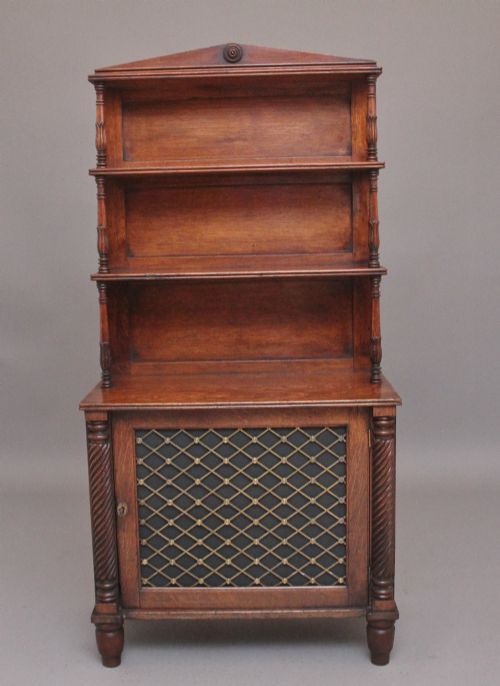
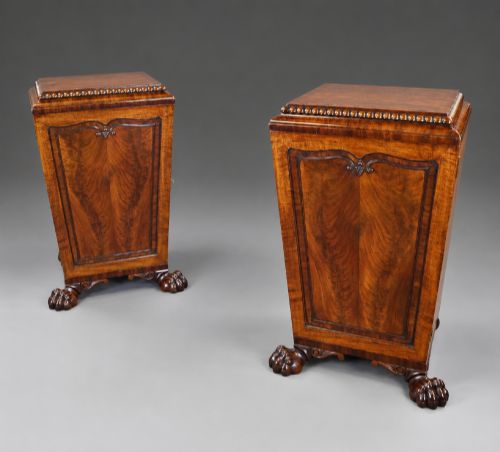
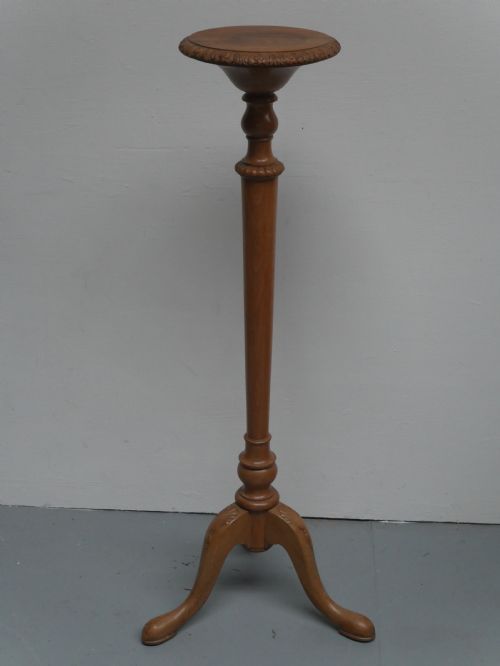
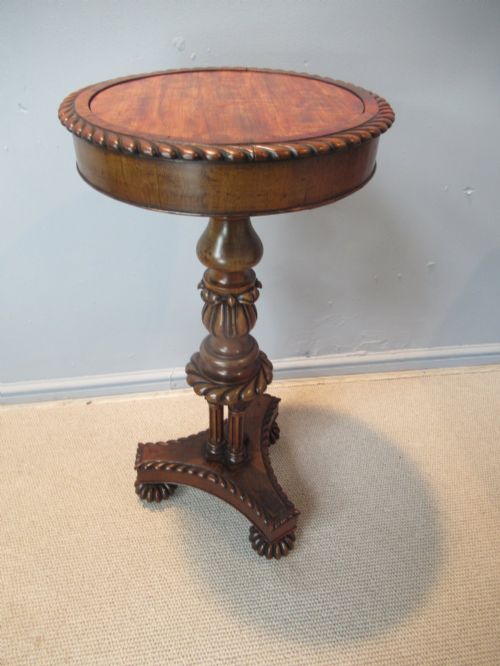
Georgian column display pieces are architectural stands and shelf units designed to elevate objects, bringing structural form and vertical presence to a room.
Georgian Column Display
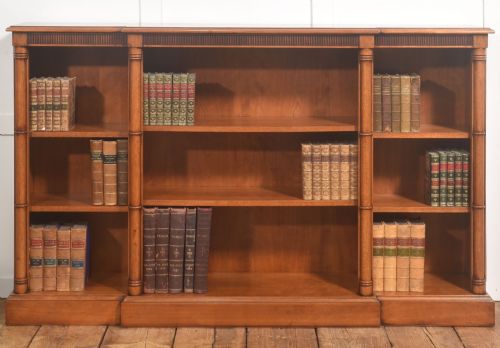
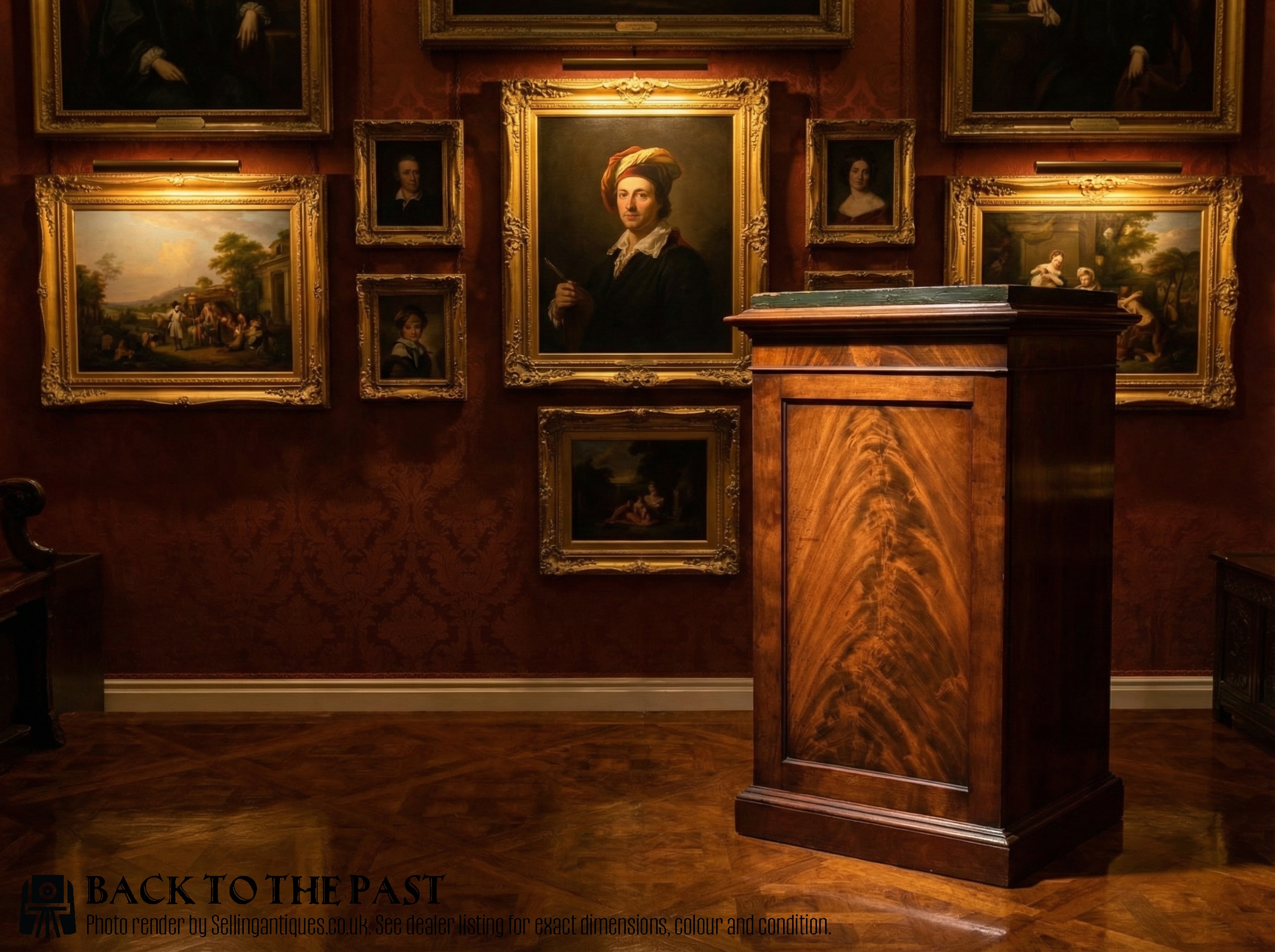
Buyers will most frequently encounter mahogany and oak pieces from the early nineteenth century and Regency eras, alongside later revivals. These objects serve practical purposes for displaying sculptures, plants, and books while introducing classical lines to interiors.
How they were made
Makers utilised solid timbers including mahogany, walnut, oak, and rosewood, often pairing them with brass hardware and gesso finishes. Construction techniques range from carved triform pedestal bases to multi-tiered shelving assemblies secured with structural columns.
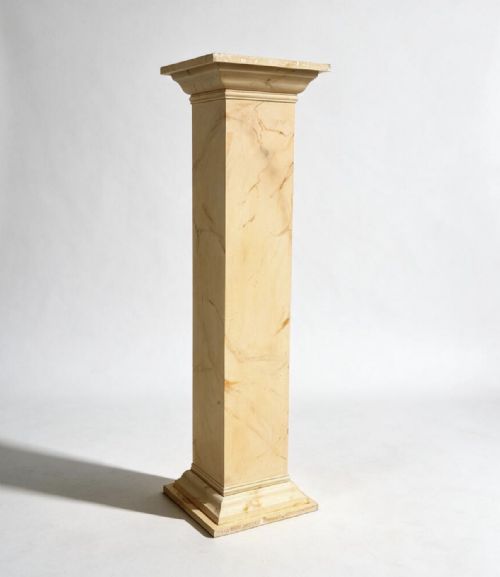
Surfaces receive careful polishing, ebonising, or gilt wood treatments, while faux marble finishes appear on select pedestals to mimic heavier classical stone.
Georgian Column Display Retail Price Guide 2026
Typical asking prices for georgian column display among the pieces listed under this phrase on Sellingantiques today, from the lower quarter to the upper quarter. They describe what is for sale here now, not the wider market.
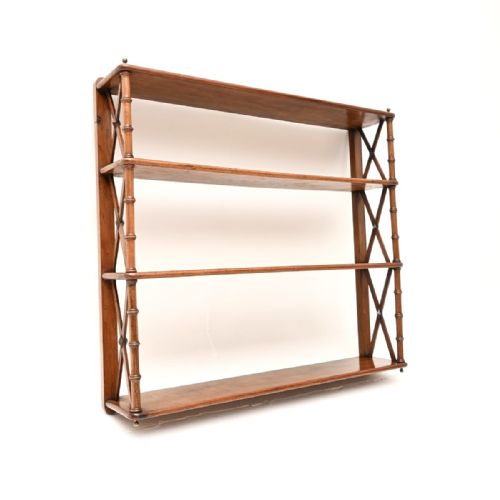
One exceptional pine delft rack arrives complete with Corinthian columns, proving that classical architecture belongs in the kitchen too.
What varies in quality
Quality rests in the crispness of classical carving, such as Corinthian columns, and the selection of figured timber like birdseye maple or well-grained mahogany. Proportion and stability dictate the merit of tall stands and multi-tiered whatnots.
Pointers to finer manufacture include integrated brass details, balanced weight distribution in tripod and triform bases, and the cohesion of matched pairs rather than assembled components.
Gillows
The Georgian Column Display Glossary
- Torchere
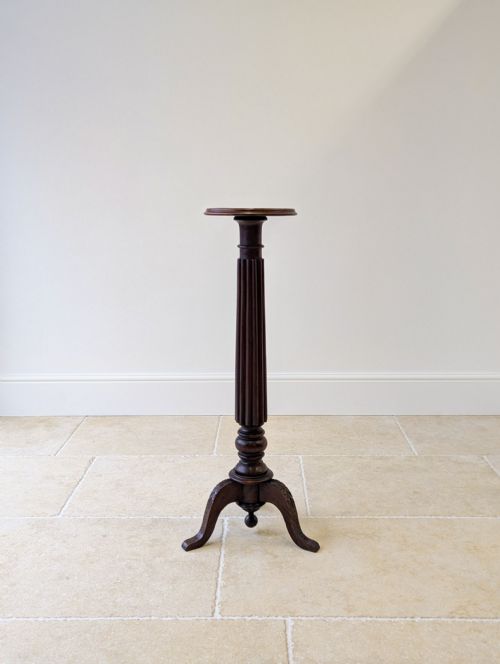
- A tall, slender stand designed to support a lamp, plant, or sculpture. These pieces often feature a single central column or tripod base.
- Whatnot
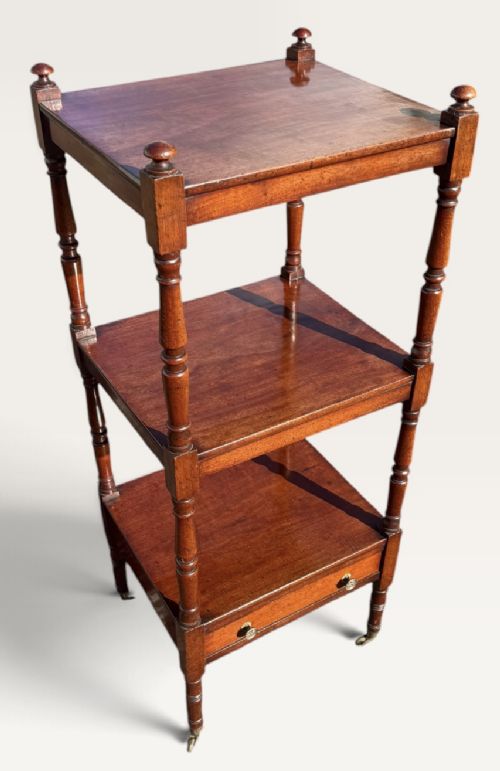
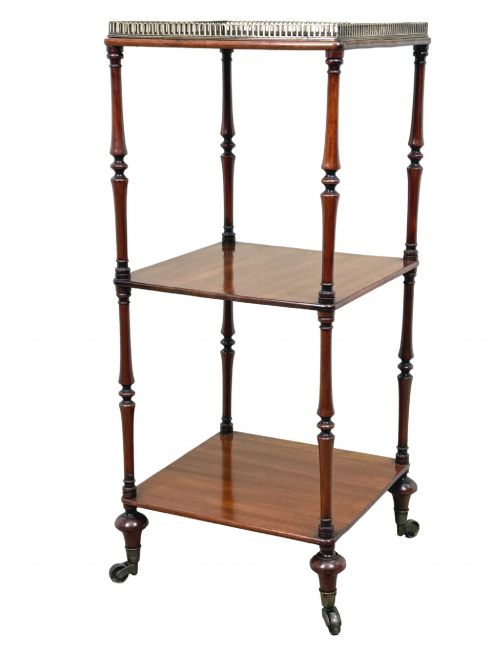
- An open-shelved piece of furniture used for displaying ornaments and books, constructed with multiple tiers supported by upright posts or columns.
- Etagere
- A set of open shelves for displaying small objects or ornaments, closely related in form to the whatnot.
- Triform
- A three-sided base or pedestal design providing structural stability for vertical display columns and stands.
- Gesso
- A plaster-based material applied to wood surfaces and carved or gilded, seen on decorative torcheres and pedestals.
Georgian Column Display: Frequently Asked Questions
What is a torchere used for?
A torchere functions as a raised platform to display plants, sculptures, or lighting fixtures within a room. Their tall, slender proportions draw the eye upward and utilise vertical space effectively.
Historically, these stands placed light sources or decorative objects at optimal viewing heights. Today, they serve a similar role for interior styling and display.
How do I identify a Regency whatnot?
Regency whatnots are open-shelved display units typically featuring multiple tiers supported by slender columns or uprights. They often incorporate drawer sections or distinct octagonal shelf shapes.
Materials commonly include mahogany and oak, occasionally accented with brass details. Their architectural styling reflects the classical taste of the early nineteenth century.
Where should I place a pedestal stand?
Pedestals suit corners, entrance halls, or empty wall spaces where a vertical focal point is required. They elevate sculptures, vases, or plant stands above floor level.
Ensure the base sits level on the floor, particularly with tripod or triform designs supporting heavier display items.
How do I distinguish Georgian from Victorian pieces?
Georgian and early Regency pieces generally display restrained classical proportions, fine timber figuring, and hand-carved architectural details like Corinthian columns. Victorian and later revival items often feature heavier construction, bolder mouldings, and machine-assisted finishing.
Comparing the timber grain, joint construction, and overall weight helps clarify the period of manufacture.