


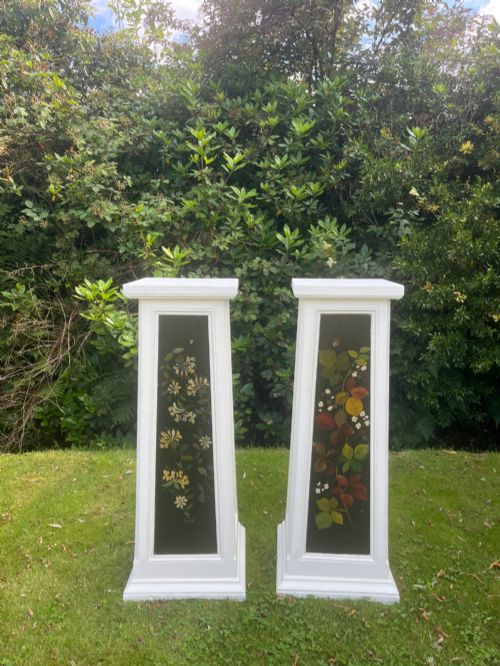


Vintage Bust Stand
These vintage bust stand examples range from display pedestals to shop mannequins, offering striking ways to elevate sculptural works and millinery.

Vintage Bust Stand
A vintage bust stand serves to elevate and showcase sculptural heads, millinery, and display forms within domestic and retail spaces. When you search for a vintage bust stand, you encounter a variety of forms including columns, pedestals, and specialised display heads.
The pieces appearing on this page span several decades, moving from nineteenth-century painted pedestals and neoclassical columns to early twentieth-century draper stands and Art Deco figures. You are most likely to meet wooden, mahogany, or painted plaster supports alongside cast iron and brass display hardware.
Origins among these pieces stretch from English country houses to French workshops, reflecting both domestic interior display and commercial retail use. The selection brings together functional shop fittings and decorative pedestals intended to support busts and sculptural items.
How they were made
Makers utilised a diverse selection of materials, combining hardwoods such as mahogany and walnut with structural metals including brass, cast iron, and ormolu mounts. Painted finishes, terracotta, and linen also feature heavily across the different periods.
Construction techniques range from the detailed carving seen in folk art milliner heads to the cast metal elements of draper stands and the turned wooden columns of display pedestals. Each piece relies on solid joinery or metal fabrication appropriate to its specific functional requirement in a shop or home.
Vintage Bust Stand Retail Price Guide 2026
Typical asking prices for vintage bust stand among the pieces listed under this phrase on Sellingantiques today, from the lower quarter to the upper quarter. They describe what is for sale here now, not the wider market.
The selection includes pieces from the Georgian, Victorian, Edwardian, and Art Deco periods.
What varies in quality
The distinction between standard examples and superior items rests upon the integrity of the materials and the refinement of the craftsmanship. Hand-carved details, quality ormolu mounts, and original painted surfaces separate utilitarian shop items from finer decorative pieces.
Proportion and stability also dictate the caliber of a stand, with well-balanced columns and robust bases demonstrating superior design. The presence of maker details or distinctive stylistic flourishes elevates specific items above everyday commercial productions.
Shoolbred·Stockman of Paris·Fasold and Stuach·Bohumil Rezl
The Vintage Bust Stand Glossary
- Pedestal
- An upright architectural support or column designed to elevate a bust, sculpture, or decorative object. These forms provide a stable base and lift the displayed item to eye level.
- Torchiere
- A tall stand or ornamental candlestick, often adapted as a display support for sculptural pieces in a grand interior. They bring vertical emphasis to a room.
- Ormolu
- Gilded bronze ornamentation applied to furniture and pedestals, particularly popular in neoclassical and revivalist decorative schemes. It adds a bright metallic contrast to wood or stone.
- Mannequin
- A dummy or model used for fitting or displaying garments, hats, and drapery in retail or studio settings. Vintage versions often incorporate papier-mâché, fabric, or carved wood.
- Neoclassical
- A style inspired by the classical art and architecture of ancient Greece and Rome, characterised by formal symmetry and classical motifs. It appears frequently in nineteenth-century columns and stands.
Vintage Bust Stand: Frequently Asked Questions
What is a vintage bust stand used for?
These stands serve primarily to display sculptural busts, hats, costumes, and decorative objects in an interior space. They lift items off flat surfaces to give them prominence.
In period settings, similar stands functioned both as practical shop fittings for milliners and as decorative display columns in country houses.
How do I style a pedestal stand at home?
Place a standalone column or pedestal in an empty corner or beside seating to hold a piece of sculpture, a ceramic bowl, or a plant. The vertical height breaks up flat lines in a room.
Ensure the top surface area matches the footprint of the object you intend to place upon it for visual stability.
How do I date a display stand?
Dating relies on identifying the prevailing style, such as Art Deco geometric lines or Victorian ornamentation, alongside the primary materials used. Mahogany, cast iron, and ormolu mounts often point to specific decades.
Maker marks, where present on the base or hardware, offer the most direct evidence of the exact period of manufacture.
Are these stands suitable for heavy sculptures?
Many solid wood, cast iron, and stone columns provide substantial weight capacity for heavy marble or bronze busts. The material construction dictates the load limit.
Lighter display stands and wicker or fabric mannequin heads are better suited to millinery, lightweight costumes, or hollow plaster items.