






Neoclassical Sculpture Stand
A neoclassical sculpture stand raises a bust or urn to proper viewing height, drawing directly from ancient architectural vocabulary to anchor a room.

Neoclassical Sculpture Stand
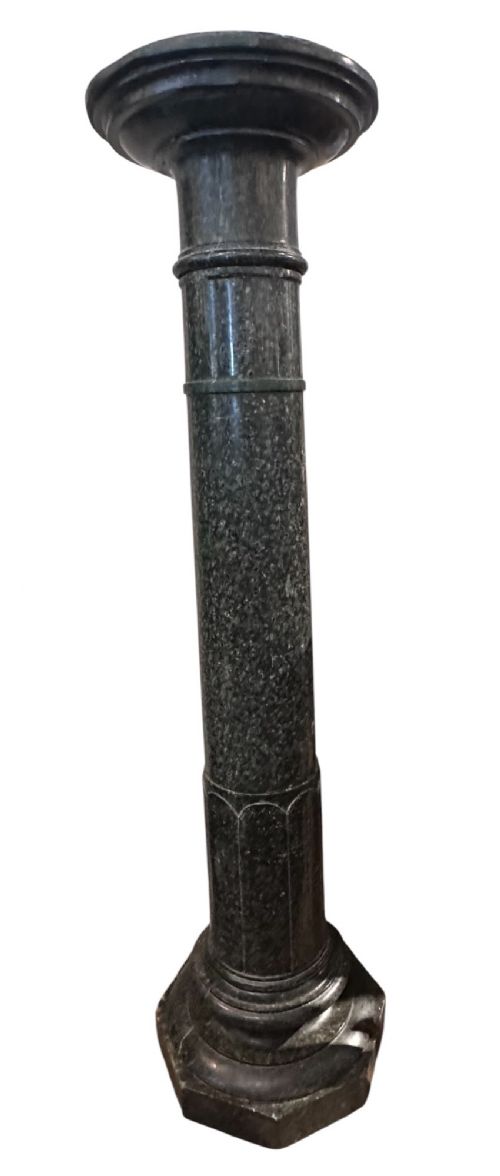
A neoclassical sculpture stand takes the form of a column, pedestal, plinth, or torchere designed to display art or decorative objects. When you search for this phrase, you encounter structures spanning the nineteenth century through the early twentieth century, including Victorian and Edwardian examples.
The objects appear in varied configurations, from rotating marble platforms and cabinets to carved wooden columns and painted plaster supports. Italian and French pieces sit alongside British and Scandinavian interpretations of the classical idiom.
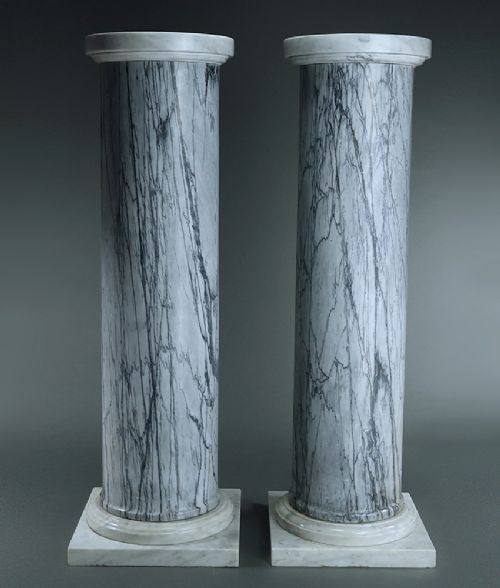
Many serve as individual display units or matched pairs, occasionally accompanied by busts, urns, or statuary designed to sit upon the summit.
Materials and construction
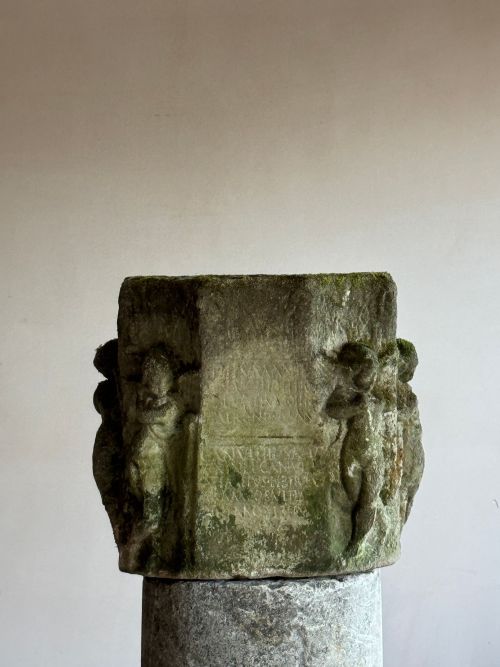
Makers utilised a wide spectrum of natural stone and earth, shaping columns from solid blocks of Carrara, Bardiglio, Verde Antico, and onyx marble, alongside scagliola and alabaster. Cast stone, reconstituted stone, and painted plaster provide alternative weights and surfaces for interior and garden settings.
Wood appears in forms such as satinwood, birch, and mahogany, sometimes paired with secret compartments or gilded finishes. Metal elements enter through ormolu collars, bronze mounts, and cast bronze columns.
Surfaces receive careful attention through faux marble paint effects, gilding, and hand-carved detailing that mimics classical architectural orders.
Neoclassical Sculpture Stand Retail Price Guide 2026
Typical asking prices for neoclassical sculpture stand among the pieces listed under this phrase on Sellingantiques today, from the lower quarter to the upper quarter. They describe what is for sale here now, not the wider market.
Distinctions in execution
Quality rests upon the selection of materials and the rigour of the carving. Solid variegated marbles with precise veining and crisp fluting stand apart from simpler painted plaster or softwood versions.
The integration of metalwork dictates distinction, where heavy fire-gilded ormolu mounts fit tightly to the stone body rather than depending on basic adhesives. The architectural proportions reflect the confidence of the maker, maintaining correct classical ratios across the shaft, capital, and plinth.
Humphrey Hopper·Ferdinando de Luca·Coutan
The Neoclassical Sculpture Stand Glossary
- Torchere
- A tall ornamental stand intended to carry a light or a small sculpture. These slender supports frequently feature decorative capitals and raised bases.
- Scagliola
- A composite material made from selenite, glue, and pigments, mixed to imitate marble and other fine stones. Craftsmen apply and polish it by hand to achieve a smooth stone-like finish.
- Ormolu
- Gilded bronze applied as a decorative mount on furniture and architectural stonework. The technique involves treating metal with a mercury and gold amalgam.
- Plinth
- The lower square block or base supporting a column, pedestal, or statue. It provides stability and visual weight to the composition above.
- Caryatid
- A sculpted female figure serving as an architectural support taking the place of a column or pillar. French plaster examples appear within the inventory.
Neoclassical Sculpture Stand: Frequently Asked Questions
What can I display on a sculpture stand?
These stands accommodate marble busts, bronze figurines, urns, and large plant pots depending on the top surface area and weight capacity.
Heavier stone pillars securely hold marble sculpture, while timber or plaster versions suit lighter decorative items.
Are these stands suitable for outdoor use?
Material choice dictates placement. Reconstituted stone, cast stone, and certain treated metals withstand garden environments.
Plaster, polished alabaster, and fine French veneers require indoor conditions to protect against moisture.
How do I identify a nineteenth-century piece?
Look to the handling of the marble, the composition of the ormolu mounts, and the specific revival style such as Empire or Regency.
Nineteenth-century examples frequently employ specific Italian quarries and hand-turned stone shafts without modern machine marks.
Do matching pairs exist in this category?
Yes, several listings comprise matched pairs of columns or pedestals intended for symmetrical placement in a hall or drawing room.
These pairs share identical stone veining, height, and capital design.