






Neoclassical Plinth
A neoclassical plinth elevates sculpture and anchors a room with classical restraint.

Neoclassical Plinth
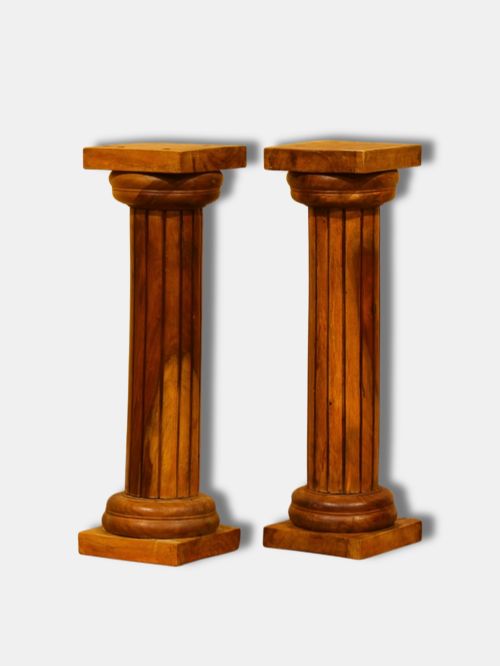
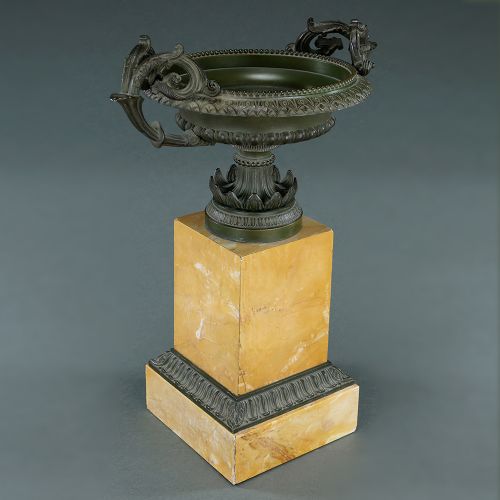
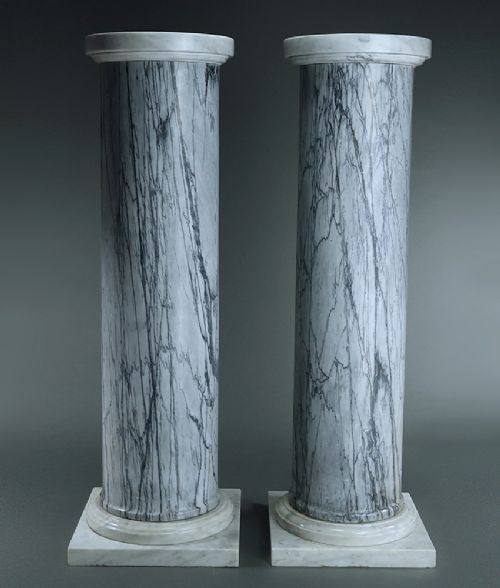
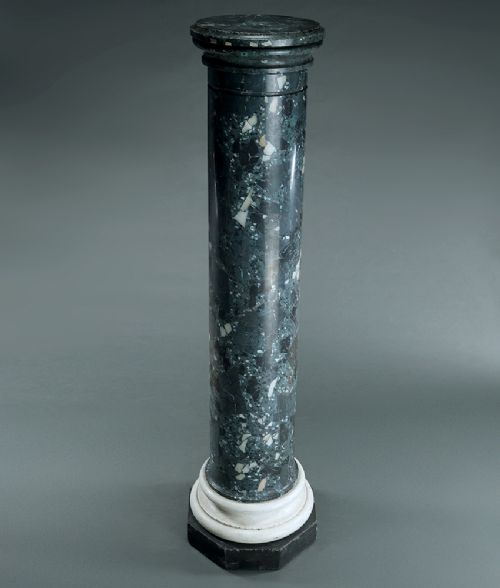
When you search for a neoclassical plinth, you encounter architectural columns, pedestals, and statue bases designed to display sculptural works. These pieces draw upon antique design principles, functioning independently or supporting figures, urns, and vases.
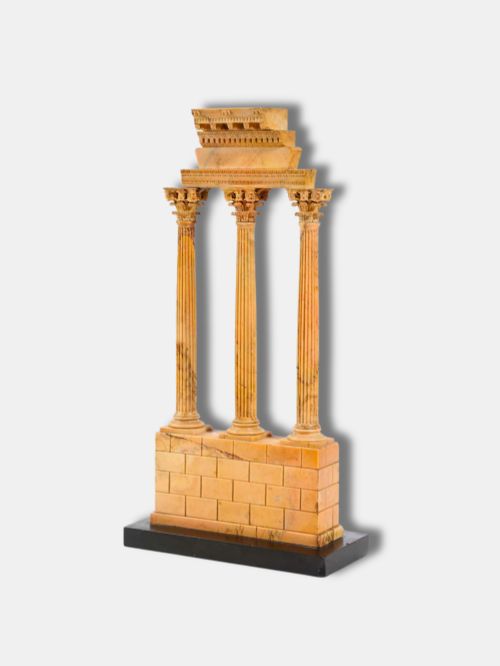
The versions most commonly met on this page span the nineteenth century through the early twentieth century. They manifest as Italian marble columns, Swedish wood pedestals, and cast stone garden supports.
Makers and manufacturers produced these items in varied forms, including stepped bases, fluted columns, and square blocks. Their primary purpose remains the elevation of decorative objects within domestic interiors and gardens.
Materials and Technique
The construction of these supports relies on quarried stones such as Carrara, Siena, and Verde Antico marble, alongside turned woods like birch and satinwood. Artisans shaped hard materials through manual cutting, turning, and polishing to achieve smooth classical surfaces.
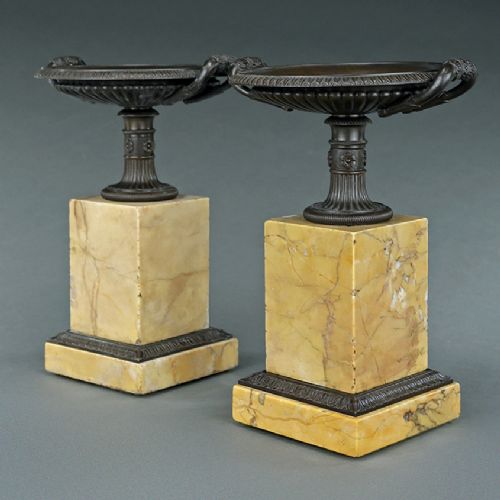
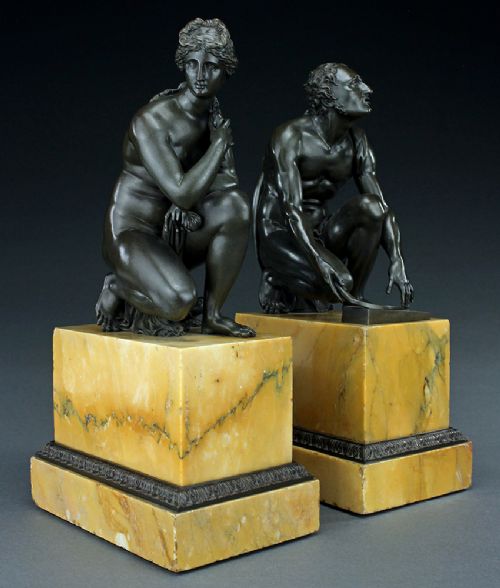
Bronze, brass, and cast iron elements frequently appear combined with stone bases, secured using ormolu collars or patinated mounts. Plaster and cast stone versions utilise moulds to replicate classical ornamentation such as acanthus leaves and fluting.
Neoclassical Plinth Retail Price Guide 2026
Typical asking prices for neoclassical plinth among the pieces listed under this phrase on Sellingantiques today, from the lower quarter to the upper quarter. They describe what is for sale here now, not the wider market.
Listings feature materials spanning natural marble, bronze, cast stone, plaster, wood, paint, and onyx across various nineteenth- and twentieth-century periods.
Assessing Craftsmanship
The standard of a piece depends on the precision of its architectural proportions and the selection of raw materials. Fine examples display crisp carving on stone or detailed chasing on metal mounts rather than generalised moulding.
Weight, stability, and the harmonious integration of mixed materials determine the overall execution. Superior items maintain structural integrity while demonstrating sophisticated surface finishes, whether through polished marble or hand-painted faux decoration.
Barbedienne·Humphrey Hopper·Selim Bright
The Neoclassical Plinth Glossary
- Ormolu
- Gilded bronze mounts applied to furniture, bases, and decorative objects. This technique involves mercury amalgamation to create a durable golden finish.
- Campana urn
- A bell-shaped vessel with flared rims originating from antiquity. These forms frequently rest upon stepped plinths or columns.
- Scagliola
- A composite material made from selenite, glue, and pigments, mimicking natural marble. Artisans apply and polish this mixture to resemble genuine stone.
- Tazza
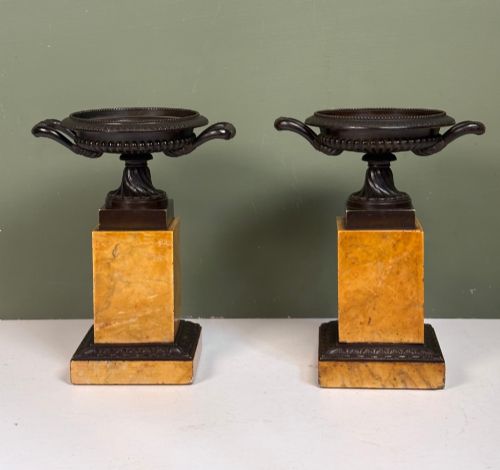
- A shallow cup or vase on a pedestal foot, often paired as decorative garnitures. They appear in bronze, marble, and ceramic variations.
- Grand Tour
- Cultural travel undertaken by wealthy Europeans to collect classical antiquities and souvenirs. Many nineteenth-century sculptures and columns derive from these travels.
Neoclassical Plinth: Frequently Asked Questions
What holds up a heavy bronze figure?
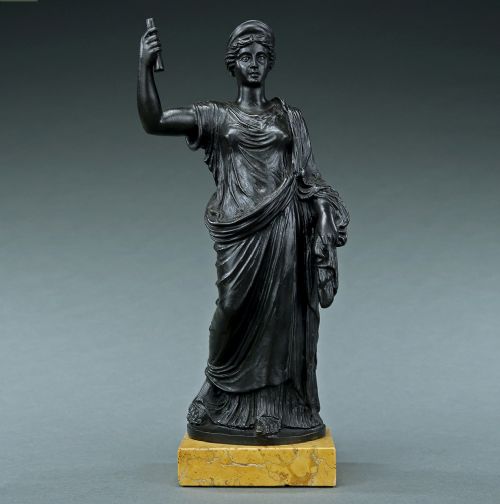
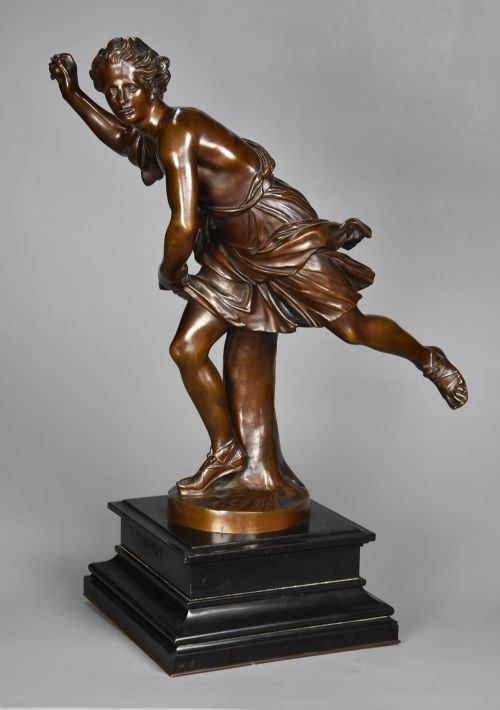
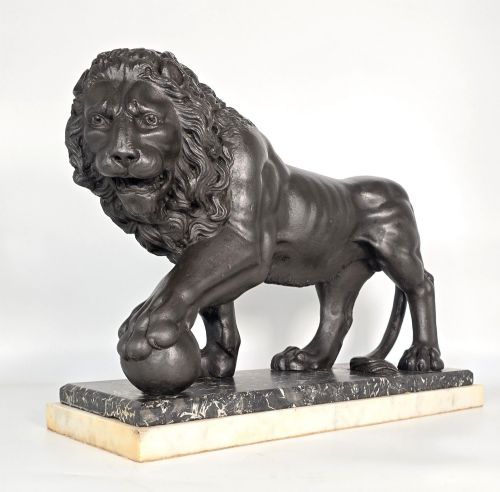
Sculptures in bronze or marble require dense stone columns or reinforced wooden pedestals to distribute weight evenly. Internal iron rods or weighted bases provide the necessary stability.
Matching the density of the base to the object ensures the sculpture remains secure. Heavier figures demand marble or cast stone foundations rather than hollow wood.
Where do you place these columns at home?
These pieces function well in entrance halls, living rooms, and garden terraces as focal points for displaying urns or busts. Placing them in corners or against blank walls draws the eye upward.
Outdoor versions tolerate garden weather when made from cast stone or iron. Interior marble and wood pieces require stable humidity away from direct moisture.
How do you distinguish nineteenth-century marble?
Nineteenth-century marble displays hand-finished tooling marks on unexposed surfaces and natural mineral veining consistent with specific quarries. The weight and cold density of the stone differentiate it from later synthetic composites.
Patination builds up over decades through handling and environmental exposure, creating a softer sheen on older surfaces. Examining the underside reveals historical working methods.
Are painted plaster pedestals fragile?
Plaster supports require careful handling because the material chips easily upon impact. Painted surfaces protect the plaster underneath from moisture and dirt accumulation.
Cleaning demands dry dusting rather than wet wiping to preserve the paint layer. Positioning them away from high-traffic walkways prevents accidental damage.