

Edwardian Candle Stand
When you search for an edwardian candle stand, you find refined wooden supports and metal holders made for lighting rooms before electricity dominated.
Edwardian Candle Stand
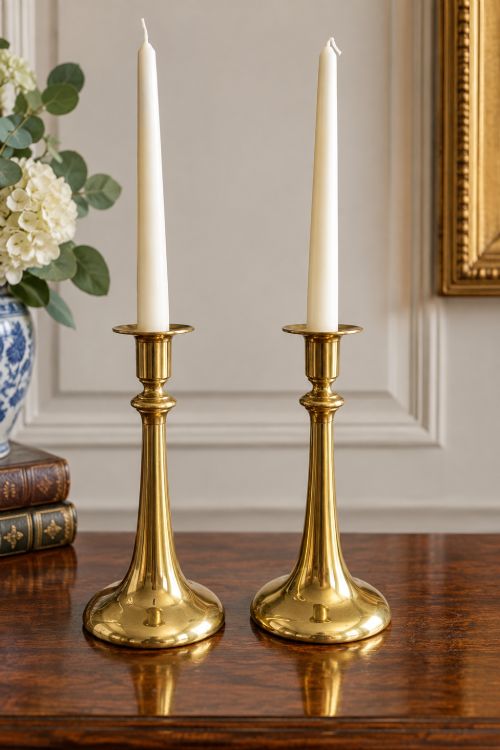
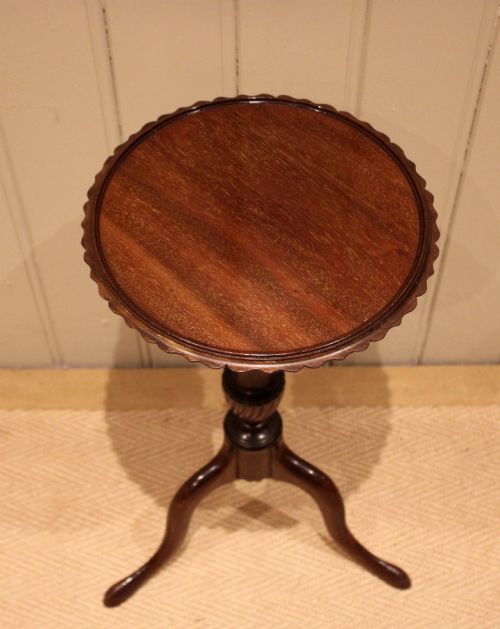
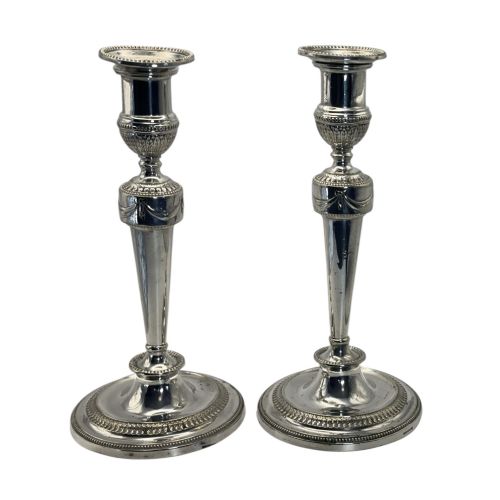
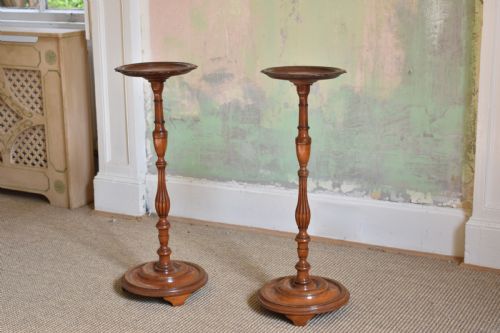
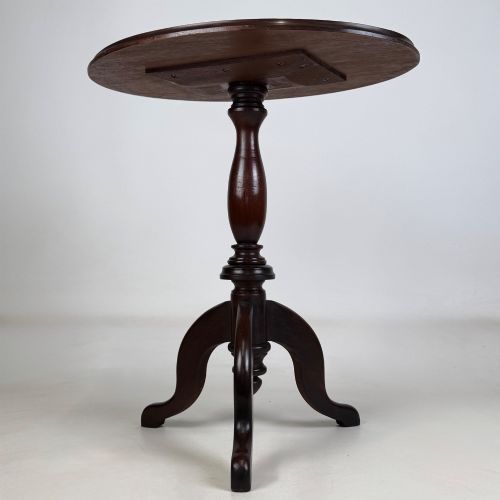
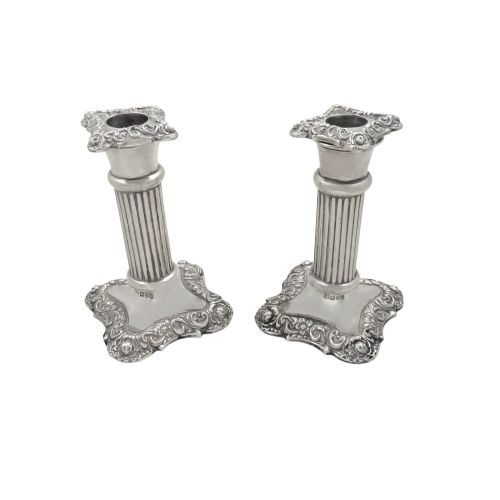
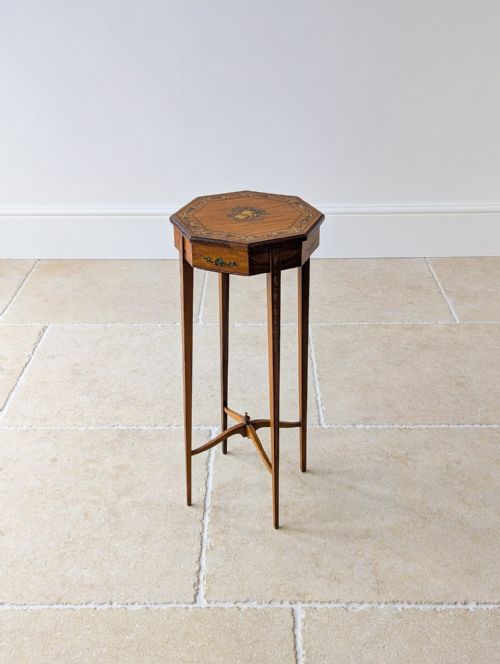
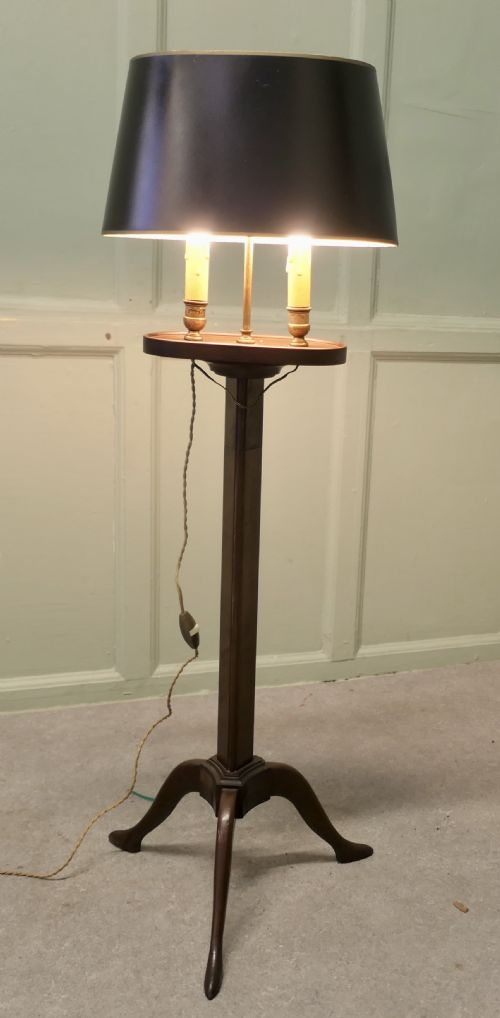
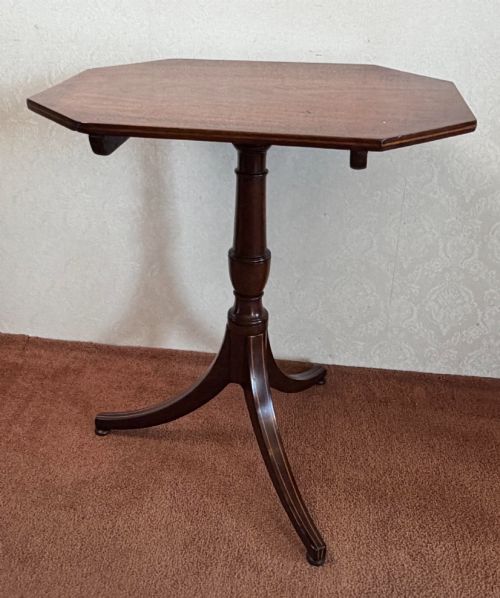
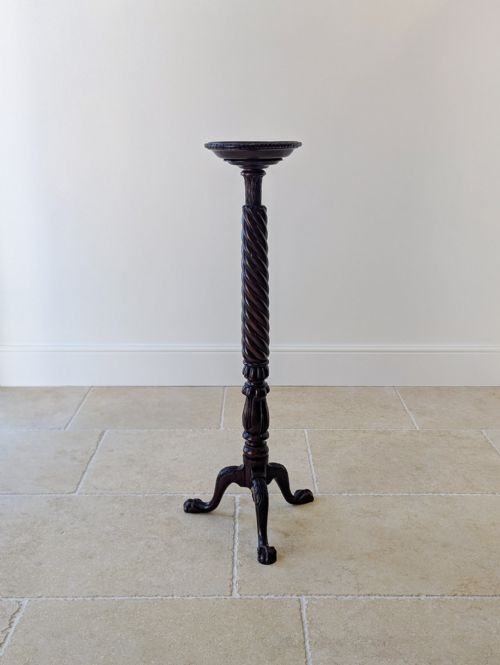
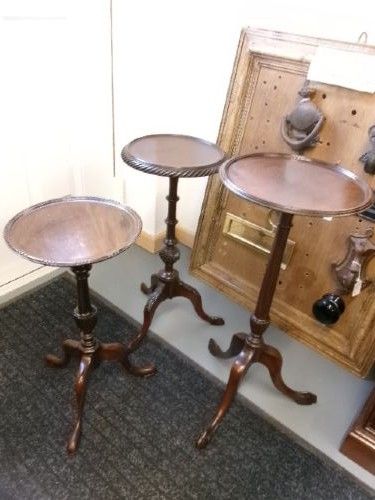
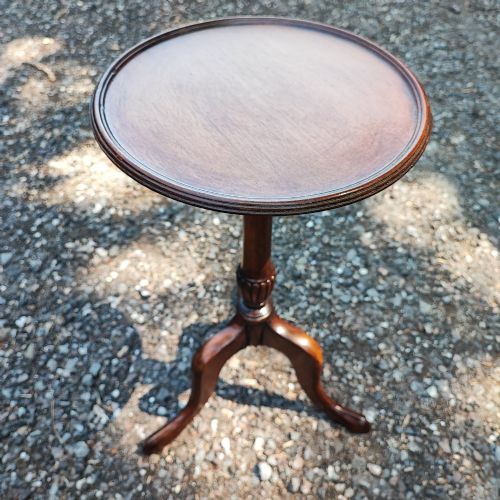
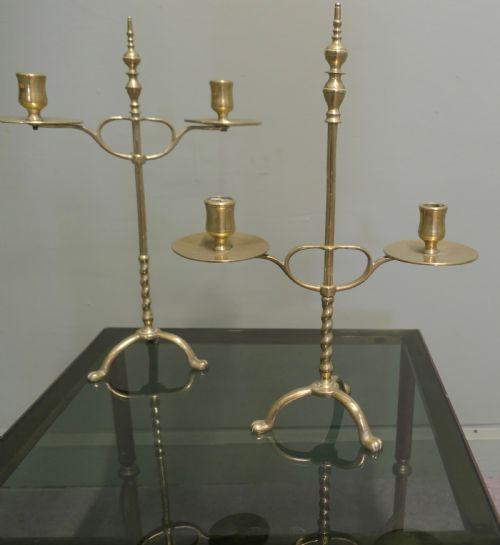
An edwardian candle stand encompasses both tall pedestals and small wooden tables alongside metal candlesticks designed to hold candles securely. The selection on this page leans heavily towards mahogany wine tables, satinwood stands, and pairs of brass or silver plated candlesticks.
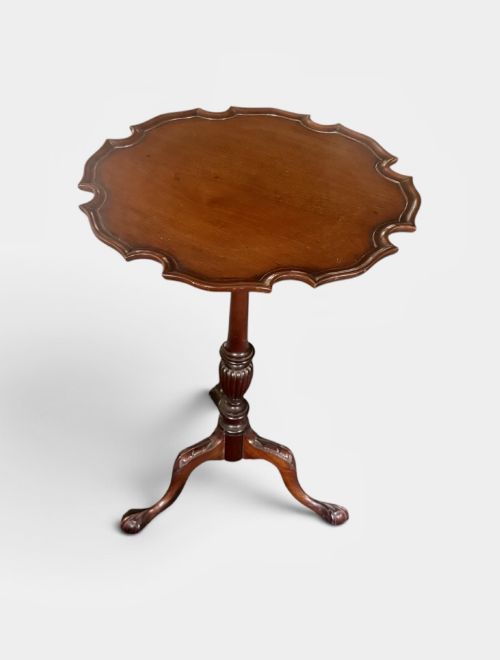
Makers of the period often drew on earlier Georgian, Regency, and Chippendale designs, producing tripod tables with shaped rims or inlaid details alongside functional metal lighting fixtures. These items served domestic interiors efficiently, providing stable surfaces for illumination or small decorative objects.
How they were made
Wood pieces rely primarily on solid mahogany, oak, and satinwood, frequently enhanced by boxwood stringing or intricate inlay work on tops and legs. Cabinet makers shaped tripod bases and raised edges, utilising traditional joinery methods to ensure stability.
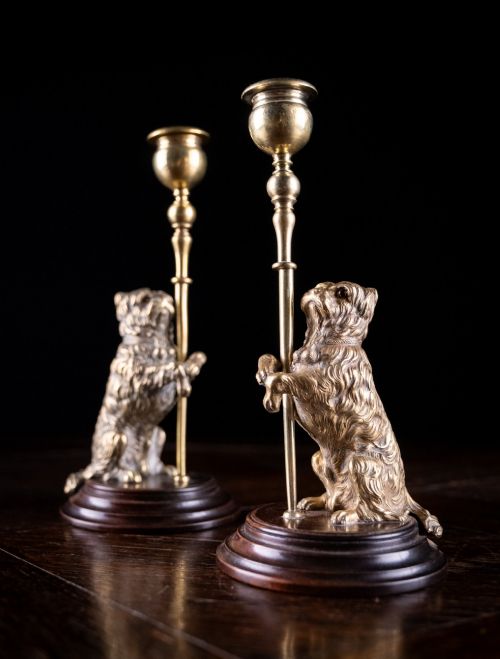
Metal items incorporate cast brass, copper, pewter, and silver plate over base metals, alongside sterling silver examples bearing period hallmarks. These metal components combine casting, turning, and soldering techniques to create durable candle holders and adjustable student lights.
Edwardian Candle Stand Retail Price Guide 2026
Typical asking prices for edwardian candle stand among the pieces listed under this phrase on Sellingantiques today, from the lower quarter to the upper quarter. They describe what is for sale here now, not the wider market.
Design styles span Edwardian, Victorian, Arts and Crafts, Neoclassical, and Georgian Revival periods.
What varies in quality
The standard of timber selection and the precision of inlaid details dictate the appeal of wooden stands, where well-figured grain and crisp boxwood stringing elevate a simple wine table. Heavier metal castings in brass and silver plate display sharper surface definition and better structural weight.
Design ambition separates basic utility pieces from high-revival items, with exhibition quality examples featuring sophisticated carving, sliding elements, or complex mechanisms like adjustable candle arms.
Mappin & Webb·Frederick J Smith & Co·Wm. Tonks & Sons
The Edwardian Candle Stand Glossary
- Tripod table
- A small freestanding table supported by a central pillar resting on three legs. These versatile tables appear frequently in mahogany and satinwood.
- Satinwood
- A pale, lustrous hardwood imported from tropical regions, highly favoured for cabinet making and decorative inlay during the Sheraton revival.
- Candlestick standard
- A heavy floor-standing lighting standard designed to hold a candle at a convenient height. They provide substantial illumination in larger rooms.
- Pie crust rim
- A raised, decoratively carved edge surrounding the top of a small circular table. This technique showcases the carver's skill on mahogany surfaces.
- Stringing
- A thin strip of contrasting wood inlaid into the surface of a panel or table top. Boxwood is commonly utilised for this delicate linear detail.
Edwardian Candle Stand: Frequently Asked Questions
What is an edwardian candle stand used for?
These pieces functioned primarily to hold candles or small lamps in domestic settings before widespread electric lighting.
Today, collectors utilise them as decorative accent furniture or compact side tables in living spaces.
How do I identify edwardian timber?
Edwardian furniture frequently employs mahogany, oak, and satinwood, often decorated with subtle boxwood inlay.
Cabinet makers of this era drew heavily on earlier Georgian and Sheraton revival styles for inspiration.
Are brass candlesticks period pieces?
Many brass candlesticks from this search phrase date from around nineteen hundred to nineteen ten, reflecting Arts and Crafts or Art Nouveau tastes.
They appear in various forms, from simple domestic holders to tall church candlesticks.
What is a wine table?
A wine table is a small occasional table with a pillar and tripod base, traditionally used for holding glasses or bottles.
In this category, they often feature shaped rims or inlaid wooden tops characteristic of the period.