

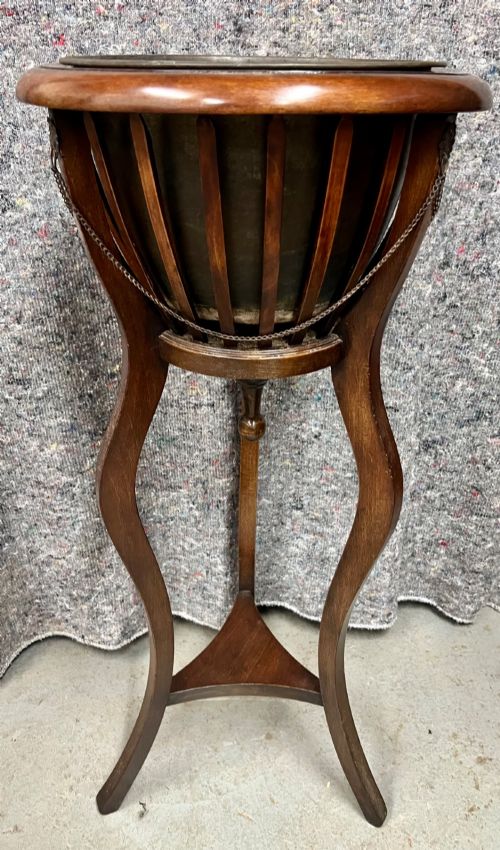

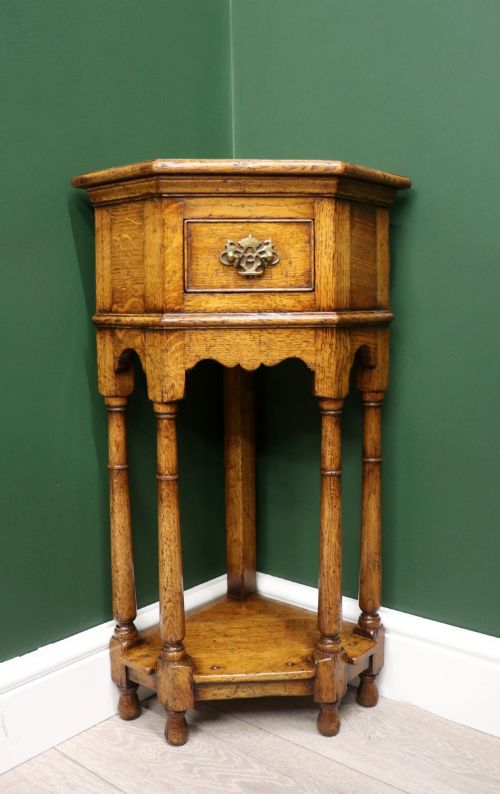
Vintage Urn Stand
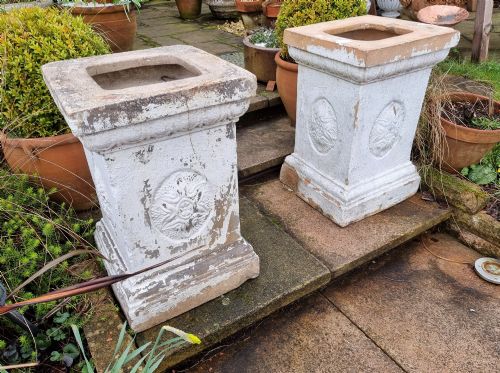
A vintage urn stand holds garden ornaments, heavy planters or decorative vessels, elevating them to draw the eye inside the room or across the terrace.
Vintage Urn Stand
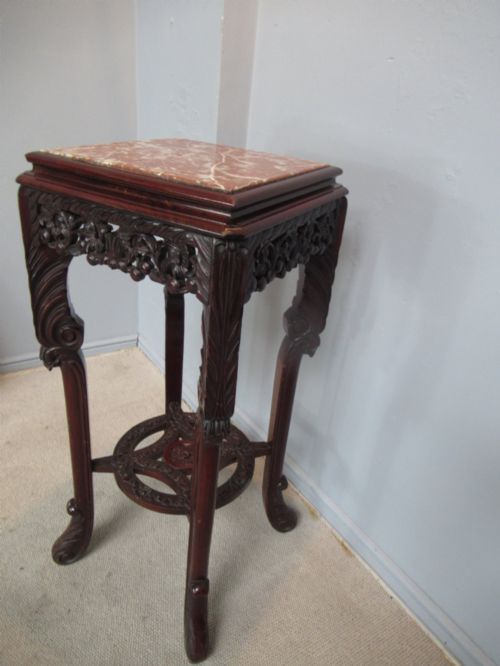
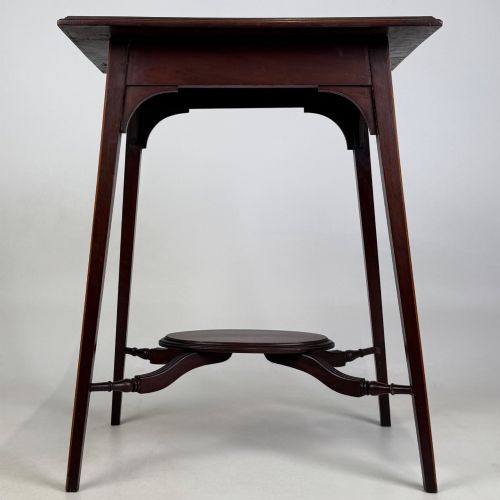
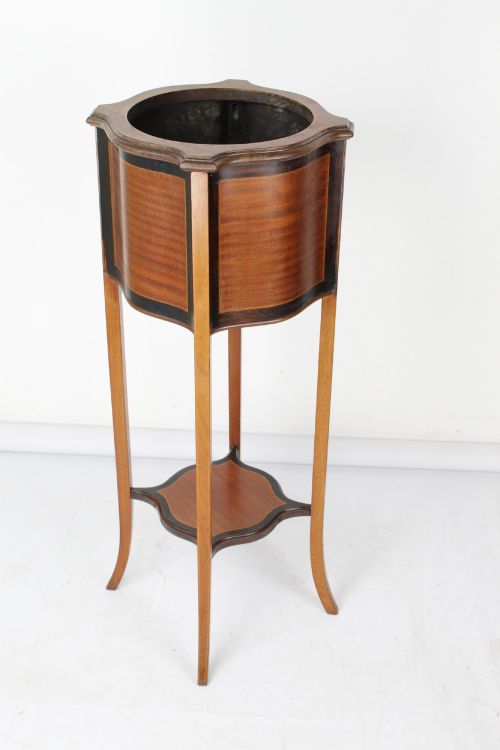
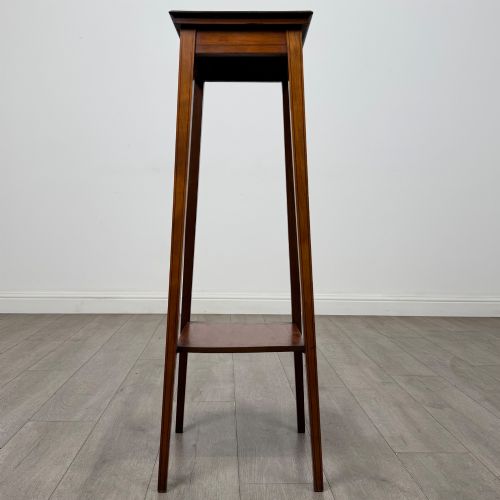
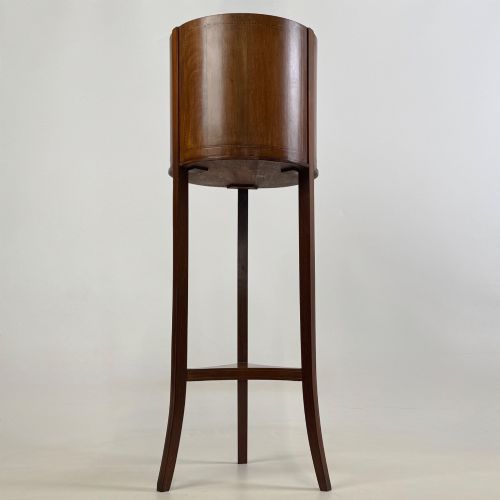
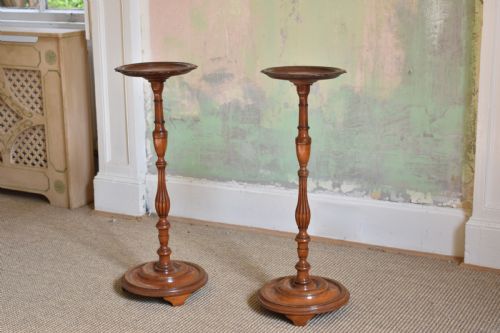
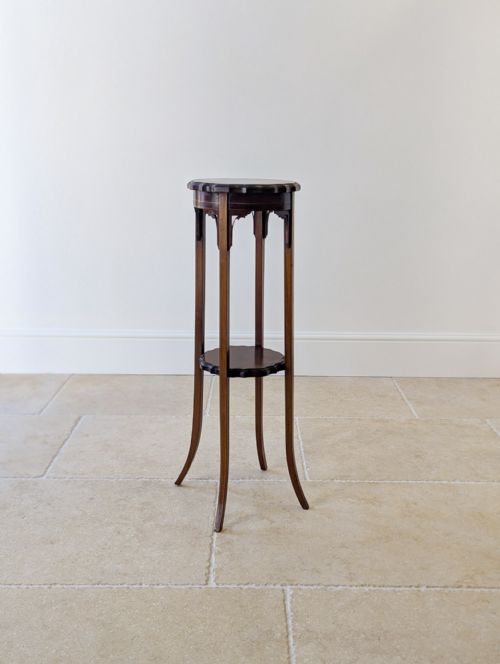
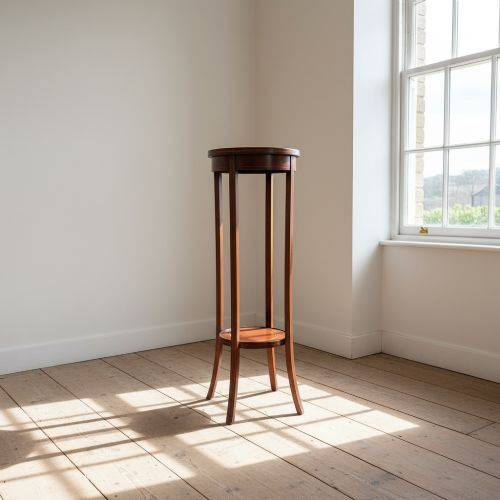
A vintage urn stand comprises raised supports, small tables, and pedestals designed to display weighty vessels, garden planters, or decorative table items. When exploring a vintage urn stand, expect to encounter tall columns, torchères, and low side tables originating from the nineteenth and twentieth centuries. These pieces cross paths with plant stands, jardinière holders, and occasional tables, serving domestic interiors and sheltered gardens alike.
The materials span native and exotic timbers alongside robust metals and stone. Mahogany, satinwood, and walnut appear frequently alongside cast iron, brass, copper, and marble tops. Makers utilised these sturdy substances to bear the substantial weight of cast iron campana urns, ceramic planters, and heavy copper vessels without tipping.
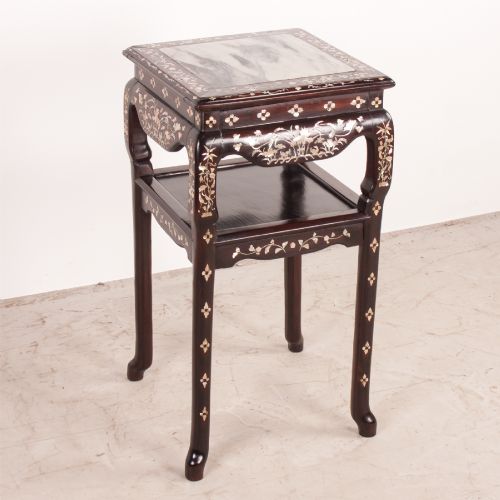
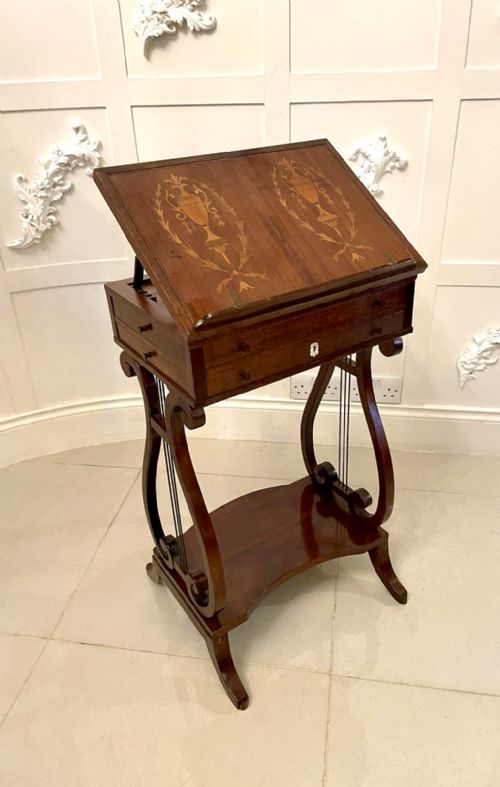
Stylistic influences range from restrained Georgian Revival forms to ornate Edwardian satinwood inlay, Chinese export designs, and rugged Victorian garden castings. Certain items present simple columnar shapes whilst others incorporate figural bases, animal motifs, or intricate mother of pearl inlay.
How they were made
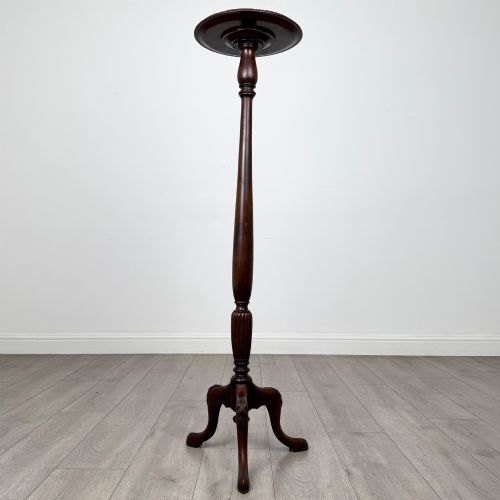
Woodworking techniques for timber examples involve skilled turnery, veneer work, and delicate marquetry or inlay. Craftsmen shaped mahogany and satinwood into tall torchères and small tables using traditional joinery, occasionally adding decorative brass galleries or mounts.
Metal stands and garden pieces rely on casting and embossing. Foundries shaped iron into campana urns and shrimp forms, whilst coppersmiths hammered vessels and secured them within iron frames or paired them with brass spirit kettles and burners.
Vintage Urn Stand Retail Price Guide 2026
Typical asking prices for vintage urn stand among the pieces listed under this phrase on Sellingantiques today, from the lower quarter to the upper quarter. They describe what is for sale here now, not the wider market.
Cast iron planters shaped specifically as giant shrimps show that Victorian garden designers possessed a wonderful sense of humour.
What varies in quality
The standard of timber selection and inlay precision marks the difference between basic utility items and superior reception room pieces. Finely figured mahogany, rich satinwood, and crisp hand-carved details signal workshop skill.
In metalwork and stone, the sharpness of the casting distinguishes finer examples. Heavy bronze, cleanly cast iron, and thick inset marble or hard wood tops indicate higher manufacture standards than lighter, mass-produced alternatives.
Dunfermline Clay Company·Coalbrookdale·Druce & Co London·Shoolbred·William Soutter & Sons
The Vintage Urn Stand Glossary
- Torchère
- A tall, slender stand designed specifically to hold a lamp, vase, or urn. These elevated pedestals gained popularity in the eighteenth century and continued through the Edwardian period.
- Jardinière
- An ornamental pot or container for plants or flowers. They frequently sit upon dedicated stands or pedestals to display indoor greenery.
- Campana Urn
- A bell-shaped garden urn derived from classical antiquity. These vessels commonly rest on matching plinths or cast iron stands.
- Spirit Kettle
- A water kettle mounted on a metal stand above a small burner. These domestic items date heavily to the Victorian and Edwardian eras.
Vintage Urn Stand: Frequently Asked Questions
What is a vintage urn stand used for?
These stands provide a sturdy raised platform for heavy planters, decorative vases, and large urns. They lift heavy items off the floor to display them effectively.
In domestic settings, smaller versions serve as side tables or lamp stands. Larger columns support heavy stoneware and cast iron planters in conservatories or gardens.
How do I identify an Edwardian urn stand?
Edwardian pieces frequently feature satinwood or mahogany with delicate inlaid stringing and classical revival motifs. They tend to look lighter and more refined than earlier heavy Victorian designs.
Turned columns and tapering legs appear frequently in this period. The timber finish often has a warmer, lighter tone than darker mid-nineteenth-century walnut or mahogany.
Can these stands be used outdoors?
Outdoor suitability depends entirely on the material construction. Cast iron, stone, and wrought iron pieces tolerate garden environments and patio displays.
Wooden and brass items, particularly those with polished mahogany or delicate satinwood inlay, require indoor placement to protect the finish from moisture.
What is the difference between a torchère and a plant stand?
A torchère is typically a taller, more slender pedestal designed to hold a single light source or decorative object at eye level. They often feature intricate carving or classical columns.
Plant stands generally offer broader tops and sturdier frames to accommodate soil-filled pots and ceramic jardinières safely.